West Glacier Entrance/US 2 Planning Study

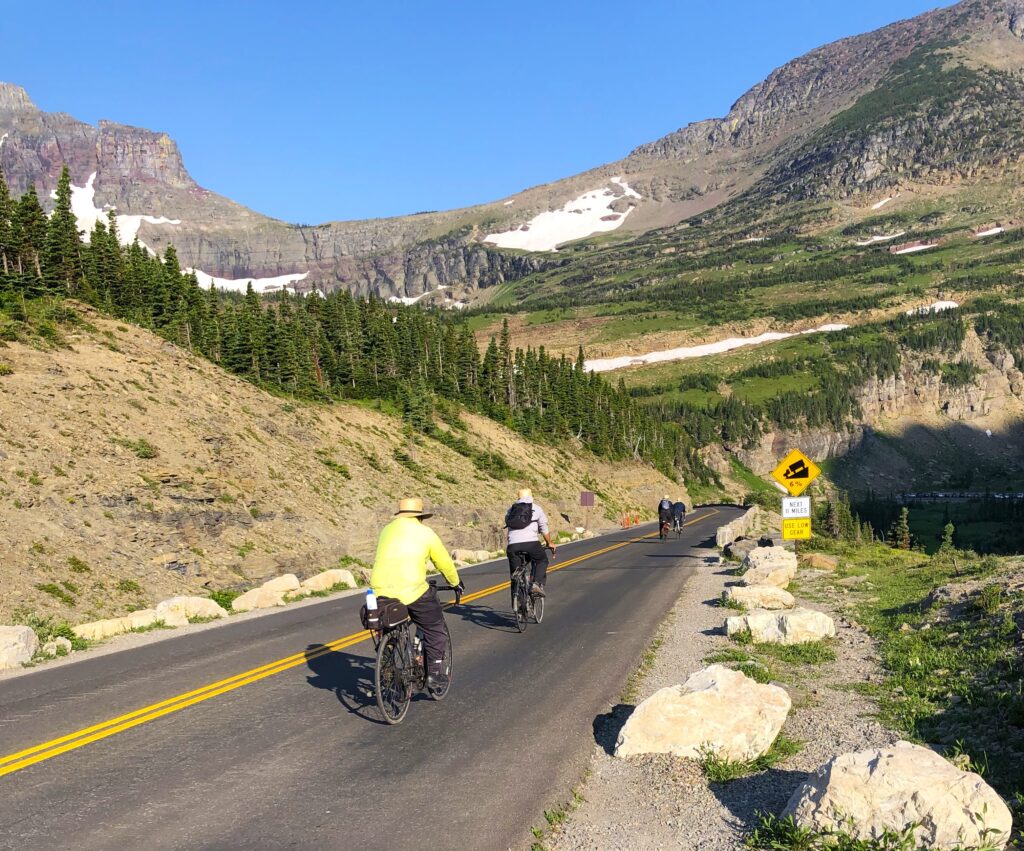
RPA assisted the Federal Highway Administration, in partnership with the Montana Department of Transportation, National Park Service, United States Forest Service, and Flathead County, in preparing the West Glacier Entrance / US 2 Planning Study. The study evaluated traffic conditions in the vicinity of West Glacier and the West Entrance of Glacier National Park to understand the factors influencing the length, timing, and location of visitor queuing and to identify potential improvements to relieve congestion issues and promote smoother travel in and out of the park. During peak summer visitation, queues can extend from the West Entrance through West Glacier and onto US 2, creating operational and safety concerns. The study assessed existing traffic and safety conditions while considering constructability challenges, financial feasibility, resource impacts, and the influence of other planning efforts and management decisions in the area.

Key Project Elements

Project Description

RPA conducted a comprehensive data collection and traffic analysis effort during the 2022 and 2023 summer seasons to understand existing conditions along Going-to-the-Sun Road (GTSR) through West Glacier. The work included vehicular and pedestrian traffic counts, travel time surveys, field observations, and development of a microsimulation model to evaluate operations through the study area.

The analysis found that congestion in West Glacier is heavily influenced by operations at the filter and entrance stations, with network effects extending to the GTSR / US 2 intersection during peak visitation periods. The study also identified two additional key issues: limited multimodal accommodations between West Glacier and the park entrance, and limited emergency or alternate access to West Glacier.

RPA evaluated traffic volumes, processing rates, queuing patterns, intersection operations, corridor operations, and travel time impacts to better understand how visitor demand and entrance station operations affect traffic flow. The study found that queuing in the West Glacier and entrance areas could add approximately 15 to 20 minutes of delay during peak periods, and that the majority of observed queuing was related to the operational efficiency of the filter and entrance stations.

To address the identified issues, RPA developed eight improvement options in coordination with partner agencies. These included spot improvements at the US 2 intersection, multimodal improvements such as pedestrian and cyclist routes and park-and-ride facilities, and four entrance station concepts including expansion and potential relocation to reduce queuing and improve operations. The study also considered broader policy and management factors, including park capacity, vehicle reservation policies, and alternative or emergency access routes.

The resulting study provides partner agencies with a set of implementable strategies to improve traffic flow, reduce congestion, enhance safety, and support multimodal access in the West Glacier area while maintaining flexibility for future park management and transportation decisions.

Project Details​

Client

Federal Highway Administration - Western Federal Lands (FHWA-WFL)

Location

Flathead County, Montana

Lincoln Road – Montana Avenue to I-15

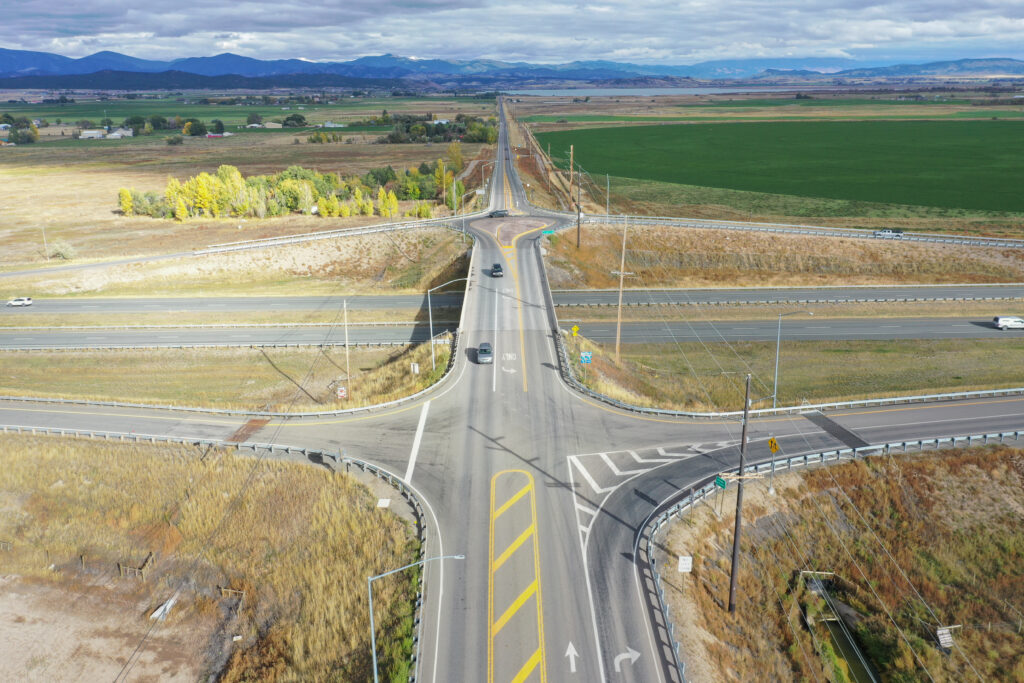
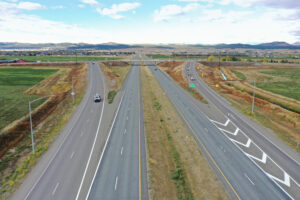
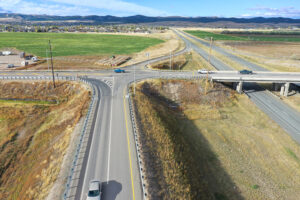
The Montana Department of Transportation (MDT) initiated this project to improve the congested Lincoln Road Interchange six miles north of Helena, Montana on Interstate 15 (I-15). RPA provided holistic professional civil engineering and land surveying services spanning from preliminary traffic engineering analysis and concept development through final design and construction assistance.

Problem

The north valley outside of Helena has experienced rapid growth due to development activity and changes in land use. Construction of the Custer Interchange six miles to the south also resulted in unanticipated changes to traffic patterns and operations at the Lincoln Interchange. Traffic performance deteriorated as traffic volumes increased. This area has experienced vehicle congestion during the peak hours and is expected to experience increased growth in the coming years due to continued development. If remained unchanged, increasing vehicle delay and safety issues were likely to compound. A successful solution was needed to accommodate peak traffic while not unduly delaying motorists during less congested times of the day.

Solution

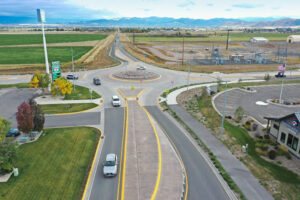
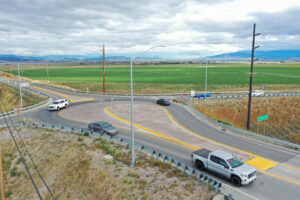
RPA completed a traffic engineering study to identify and evaluate potential options to improve safety and operations for the Lincoln Road corridor between North Montana Avenue and I-15. The alternatives were intended to be implementable in the short-term and did not include full reconstruction of the Lincoln Interchange or the Lincoln Road corridor. Potential barriers and constraints to project development were also identified to evaluate the feasibility of alternatives. The preferred alternative included single-lane roundabouts at the Lincoln Road intersections with Montana Avenue and the I-15 northbound off-ramp, an additional southbound on-ramp lane, and left-turn lane onto the southbound on-ramp.

Key Project Elements

Project Details​

Client

Montana Department of Transportation (MDT)

Location

Lewis & Clark County, Montana

Idaho 55 / Banks Lowman Road Intersection Study

RPA conducted a comprehensive evaluation of traffic and safety conditions at the intersection of State Highway 55 and Banks Lowman Road north of Boise, Idaho. After evaluating existing and projected conditions and multiple improvements, a traffic signal was identified as the preferred alternative for the intersection based on its operational performance under future growth scenarios.

Key Project Elements

Project Description

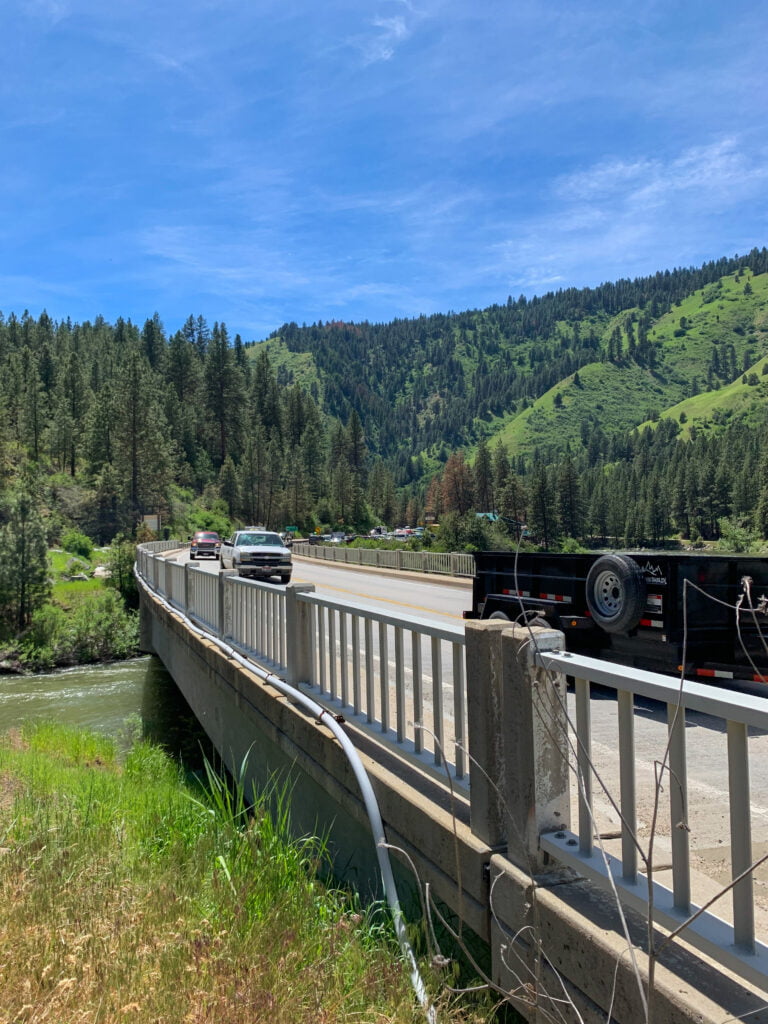
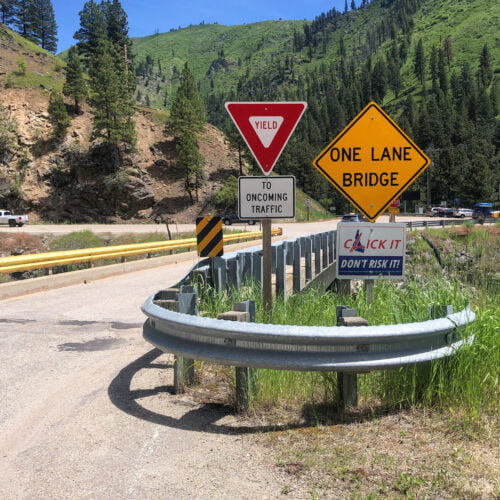
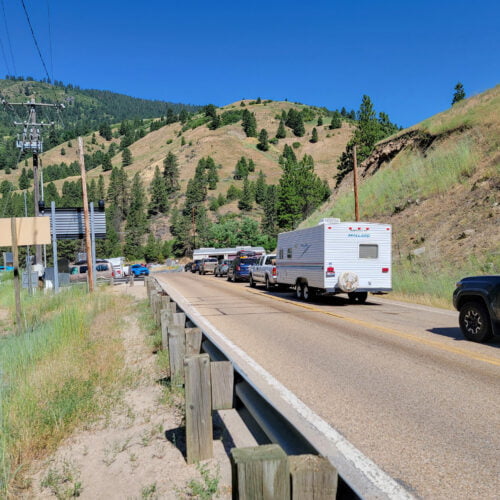
The intersection of State Highway 55 and Banks Lowman Road is located approximately 41 miles north of Boise and provides access to a variety of recreational opportunities in the surrounding public lands. On weekends during the summer, the area experiences an influx of recreational traffic resulting in congestion and lengthy delays for vehicles along Banks Lowman Road. During busy days, the Idaho Transportation Department (ITD) has implemented temporary flagging control to help control and alleviate congestion. As traffic volumes continue to increase, however, the existing strategy is inadequate to meet the growing demands at the intersection.

After collecting traffic data and observing vehicle queuing and turning movements in the field, RPA used a multi-step approach to evaluate existing and projected traffic conditions, including both deterministic and microsimulation analyses. To address operational and safety conditions at the site, RPA analyzed multiple alternatives included maintaining the existing two-way stop control, implementing flagging control more frequently, installing a traffic signal, and installing a single-lane roundabout.

While the existing stop control and peak day flagging operation is viable in the short term, the configuration is not sustainable for the long-term. The flagging operation is shown to help alleviate existing congestion concerns, however, the option offers minor capacity increases and would need to be implemented more frequently during the peak season. Automated flagging control was identified as an interim solution while designs for a more permanent solution are developed. Based on the results of the evaluation process, a traffic signal was identified as the preferred alternative for the intersection. Compared to the other traffic control scenarios, the roundabout was shown to provide the lowest capacity and shortest anticipated life. Conversely, the traffic signal provides the greatest life of all alternatives and the best operational performance under future growth scenarios.

Project Details​

Client

Federal Highway Administration - Western Federal Lands (FHWA-WFL)

Location

Boise County, Idaho