West Glacier Entrance/US 2 Planning Study

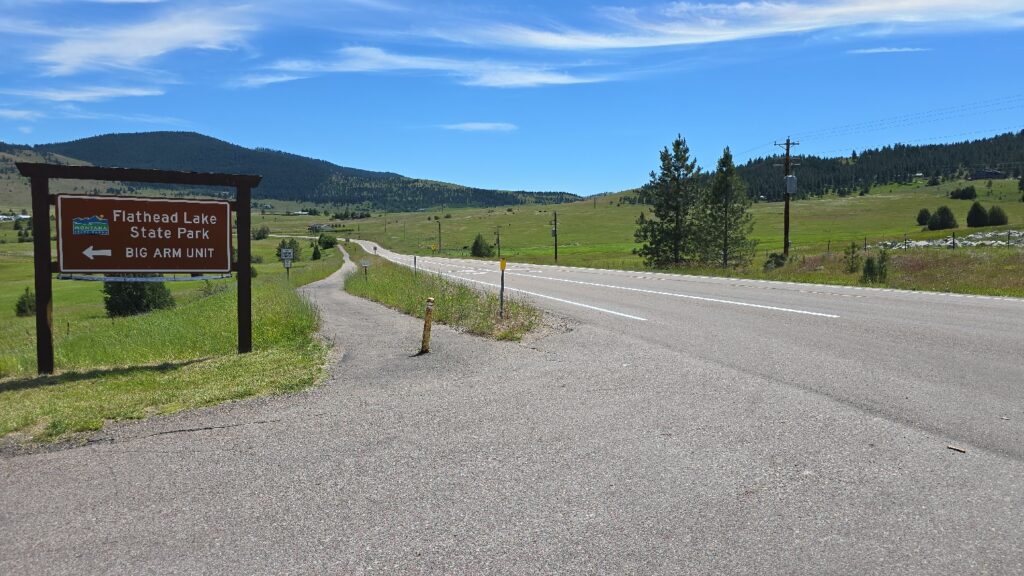
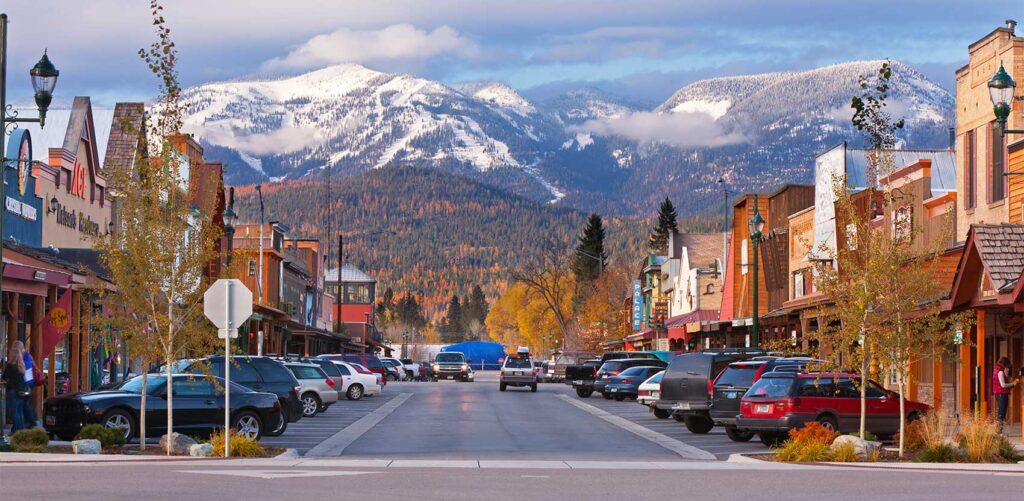
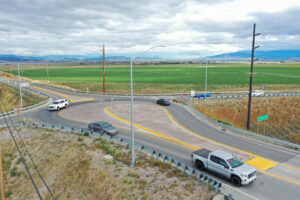
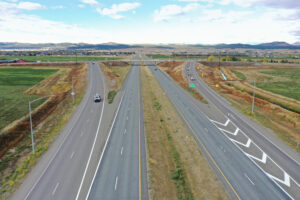
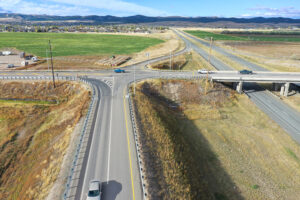
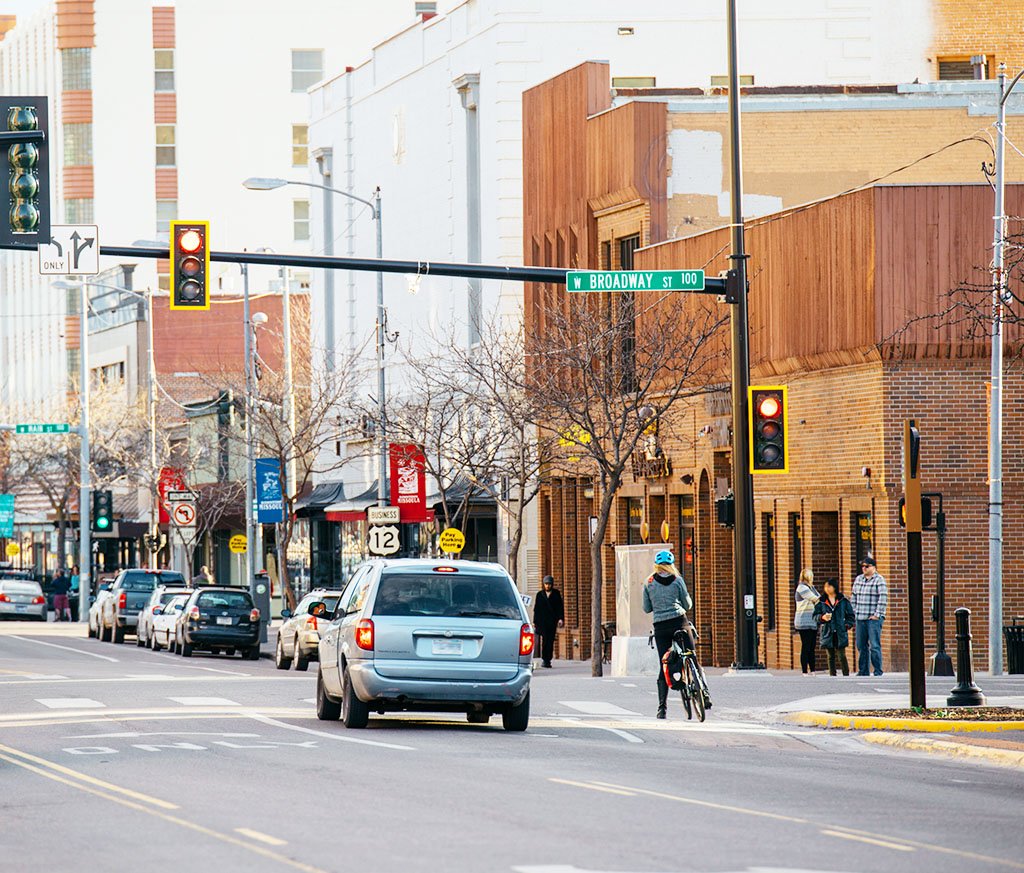
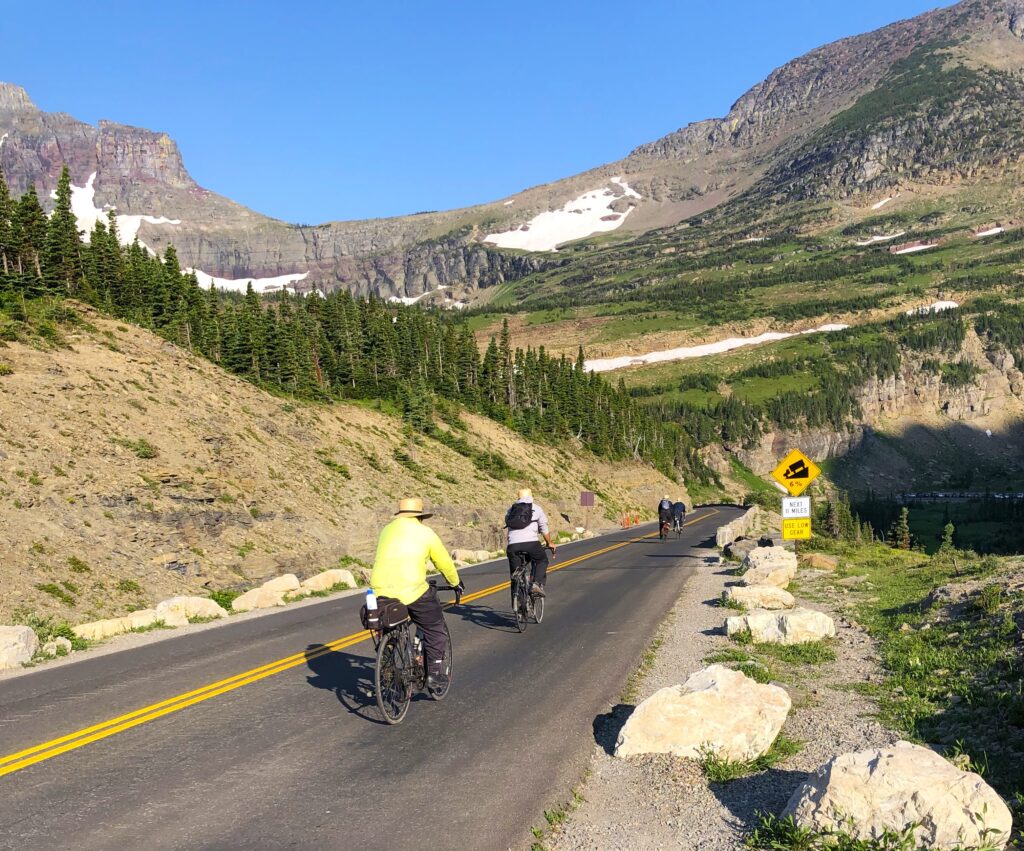
RPA assisted the Federal Highway Administration, in partnership with the Montana Department of Transportation, National Park Service, United States Forest Service, and Flathead County, in preparing the West Glacier Entrance / US 2 Planning Study. The study evaluated traffic conditions in the vicinity of West Glacier and the West Entrance of Glacier National Park to understand the factors influencing the length, timing, and location of visitor queuing and to identify potential improvements to relieve congestion issues and promote smoother travel in and out of the park. During peak summer visitation, queues can extend from the West Entrance through West Glacier and onto US 2, creating operational and safety concerns. The study assessed existing traffic and safety conditions while considering constructability challenges, financial feasibility, resource impacts, and the influence of other planning efforts and management decisions in the area.

Key Project Elements

Project Description

RPA conducted a comprehensive data collection and traffic analysis effort during the 2022 and 2023 summer seasons to understand existing conditions along Going-to-the-Sun Road (GTSR) through West Glacier. The work included vehicular and pedestrian traffic counts, travel time surveys, field observations, and development of a microsimulation model to evaluate operations through the study area.

The analysis found that congestion in West Glacier is heavily influenced by operations at the filter and entrance stations, with network effects extending to the GTSR / US 2 intersection during peak visitation periods. The study also identified two additional key issues: limited multimodal accommodations between West Glacier and the park entrance, and limited emergency or alternate access to West Glacier.

RPA evaluated traffic volumes, processing rates, queuing patterns, intersection operations, corridor operations, and travel time impacts to better understand how visitor demand and entrance station operations affect traffic flow. The study found that queuing in the West Glacier and entrance areas could add approximately 15 to 20 minutes of delay during peak periods, and that the majority of observed queuing was related to the operational efficiency of the filter and entrance stations.

To address the identified issues, RPA developed eight improvement options in coordination with partner agencies. These included spot improvements at the US 2 intersection, multimodal improvements such as pedestrian and cyclist routes and park-and-ride facilities, and four entrance station concepts including expansion and potential relocation to reduce queuing and improve operations. The study also considered broader policy and management factors, including park capacity, vehicle reservation policies, and alternative or emergency access routes.

The resulting study provides partner agencies with a set of implementable strategies to improve traffic flow, reduce congestion, enhance safety, and support multimodal access in the West Glacier area while maintaining flexibility for future park management and transportation decisions.

Project Details​

Client

Federal Highway Administration - Western Federal Lands (FHWA-WFL)

Location

Flathead County, Montana

US 93 Polson-Somers Corridor Study

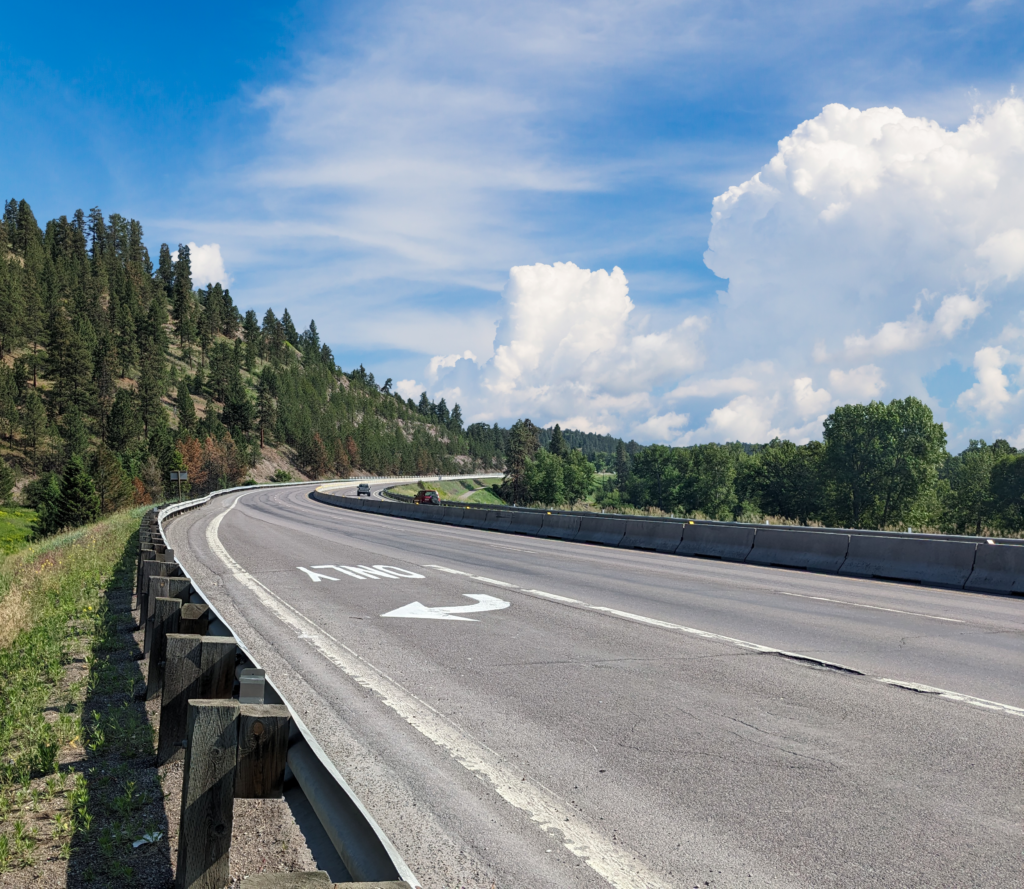
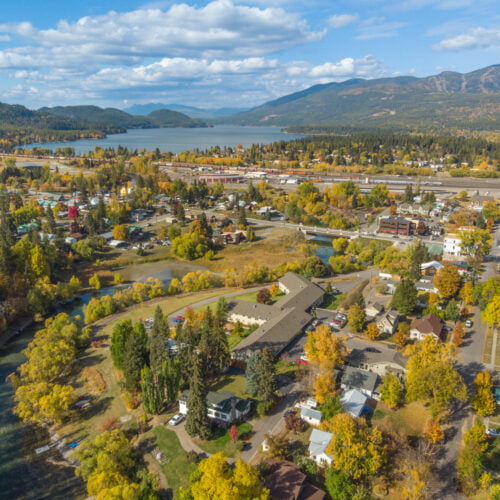
US 93 is a major route providing regional connections between urban centers, recreation areas, and small, rural communities. The highway corridor is constrained by topography adjacent to Flathead Lake, and the area holds deep cultural, historical, and ecological significance for the Confederated Salish and Kootenai Tribes. Recent growth in the area has contributed to increasing commuter, tourist, recreation, and commercial truck traffic along US 93, raising concerns about the safety and capacity of the road infrastructure to meet growing demand. The study identifies transportation improvements that will support continued growth while preserving the area’s unique ecological, cultural, and economic resources, providing a framework ensuring US 93 remains a functional and safe route for years to come.

Key Project Elements

Project Description

The Montana Department of Transportation (MDT) contracted RPA to develop a long-range plan for managing the US 93 corridor between Polson and Somers, following the western edge of Flathead Lake, passing through Lake County and Flathead County, and crossing the Flathead Reservation. The corridor is a vital route in the National Highway System (NHS), linking Missoula and Kalispell, while also serving as a popular scenic route and access point for recreational activities. Local communities face challenges in balancing infrastructure needs with environmental and cultural preservation while addressing growing commuter, tourist, and commercial traffic.

The study involved collaboration with the Federal Highway Administration (FHWA), Confederated Salish and Kootenai Tribes (CSKT), local jurisdictions, stakeholders, and the public. As a supplemental component, RPA also developed an Access Management Plan to help enhance roadway safety, functionality, and compatibility with future development.

The study followed MDT’s planning guidelines by evaluating existing conditions, projected growth, traffic operations, safety, and environmental impacts. It identified short- and long-term recommendations to address the corridor’s needs through 2045, ensuring informed funding decisions for future project development.

Spot improvements focused on enhancing safety, traffic flow, and access management at key locations with measures such as enhanced traffic control, improved visibility, and multimodal accommodations. Corridor-wide improvements emphasized enhancing traffic operations and safety across the entire US 93 corridor, including striping revisions, rumble strips, speed limit adjustments, shoulder widening, passing lanes, and wildlife conflict mitigation. Policy improvements aimed to enhance safety and operations through access management, speed limit adjustments, travel demand management, and maintenance practices, with implementation depending on available resources and coordination. And lastly, access management recommendations such as removing, relocating, and consolidating accesses, defining approach openings, and limiting approach usage, were identified to guide public agencies, landowners, and developers in land use and access planning when development, redevelopment, or construction projects occur. Implementation of future improvements in the corridor will depend on funding availability, coordination with adjacent landowners and partner agencies, and environmental mitigation activities.

Project Details​

Client

Montana Department of Transportation

Location

Lake and Flathead Counties, Montana

US 191 Corridor Study – Four Corners to Big Sky

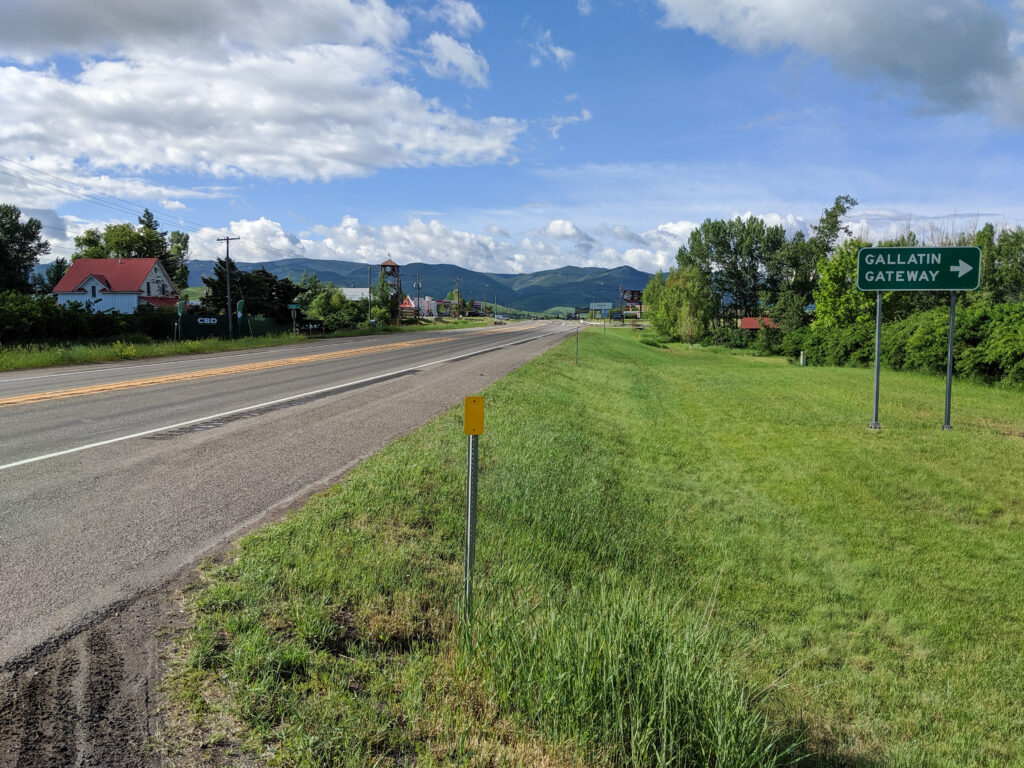
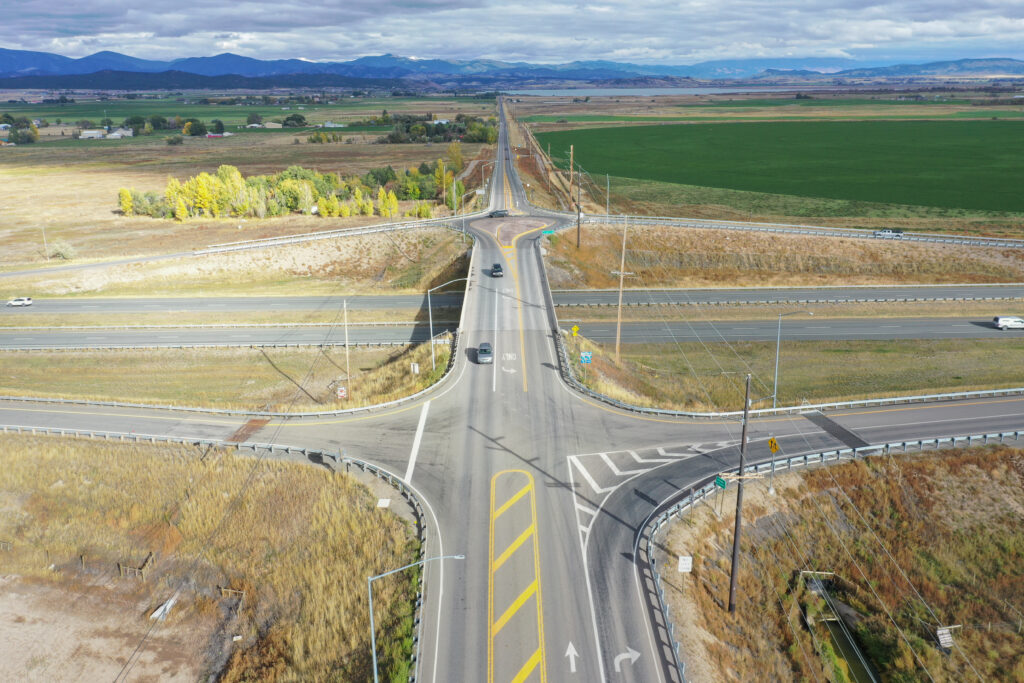
RPA partnered with the Montana Department of Transportation (MDT), Federal Highway Administration (FHWA), and Gallatin County to evaluate the US 191 corridor between Four Corners and the Big Sky area, a critical route connecting the Bozeman region to West Yellowstone and Yellowstone National Park. The corridor serves a mix of commuter, recreational, and freight traffic and has experienced significant growth, resulting in increased congestion, longer travel times, and safety concerns.

Key Project Elements

Project Description

RPA conducted a comprehensive evaluation of existing and future conditions along the US 191 corridor, including travel time data, traffic volumes, and vehicle classification to assess congestion and operational performance. Roadway geometrics, crash history, and wildlife-vehicle conflict data were analyzed to identify safety trends, contributing factors, and locations with substandard conditions.

The corridor’s location within the Gallatin Canyon also presents significant environmental and physical constraints, limiting large-scale improvements and requiring careful consideration of impacts to the Gallatin River corridor and surrounding habitats.

Safety and mobility improvements were developed based on these findings, including intersection enhancements, turn lanes, shoulder widening, updated traffic control, and wildlife accommodations. The study also considered multimodal opportunities such as transit enhancements and shared-use facilities to reduce single-occupant vehicle demand without requiring major capacity upgrades.

Extensive public and stakeholder engagement was conducted to address the high level of interest in the corridor. Outreach included both in-person and virtual efforts, allowing the project team to gather input from a broad range of users and stakeholders.

The study identified a range of improvement options from low-cost operational enhancements to long-term corridor strategies, providing MDT with a flexible framework to guide future investments. The resulting plan supports improved safety, mobility, and system performance while balancing environmental constraints and community priorities.

Project Details​

Client

Montana Department of Transportation

Location

Gallatin County, Montana

US 93 Missoula-Florence Feasibility Study

The US 93 study corridor from Florence to Missoula is used by commuters, residents, and regional travelers, and commercial freight haulers, with access to adjacent residences, businesses, and agricultural lands. Traffic volumes have outpaced projections as the area has continued to develop. This pressure has contributed to congestion, reduced travel times, increased user conflicts, and ongoing safety concerns, especially at uncontrolled intersections within the corridor and during peak travel times. The intent of the US 93 Missoula-Florence Study is to evaluate safety and operational conditions within the corridor and identify comprehensive, data-driven, and forward-looking solutions to address concerns over the long term given environmental resources, right-of-way needs, access control, maintenance considerations, and other potential constraints. 

Key Project Elements

Project Description

The US 93 corridor between Missoula and Florence serves as a vital access route for adjacent residences, businesses, agricultural lands, and commuters traveling between smaller Bitterroot Valley communities and the City of Missoula, while also accommodating significant commercial freight traffic. This growth has resulted in safety concerns, user conflicts, increased traffic congestion, and longer travel times.

The study conducted wide-ranging analyses of the physical roadway, safety, traffic operations, and environmental features to establish baseline conditions for the corridor. This step was important to understand key issues, needs, and constraints influencing future improvements.

To address these issues, the study identified and evaluated a range of potential options to improve safety and traffic flow on US 93 while enabling feasible implementation and minimizing impacts to adjacent landowners, the environment, and the traveling public. This effort attempted to best address the primary areas of concern identified through public and stakeholder outreach, discussions with the MDT study team, review of past and current planning documents, and technical analysis of physical features, traffic, safety, and environmental conditions while also meeting the purpose and need of the highway. A sequential approach was used to identify, screen, and select the preferred corridor configuration with continuous public feedback integrated into the process.

An optimized corridor configuration was identified, integrating the most practical and effective elements from corridor concepts and intersection control alternatives. This process involved strategically blending design alternatives that were found to best meet the study’s goals and objectives. The aim was to develop a comprehensive and feasible recommendation for the corridor that balances the overwhelming need for improved safety with efficient highway operations, while minimizing implementation costs, construction timeframes, and impacts.

Project Details​

Client

Montana Department of Transportation

Location

Missoula and Ravalli Counties, Montana

Downtown Helena Multimodal and Infrastructure Plan

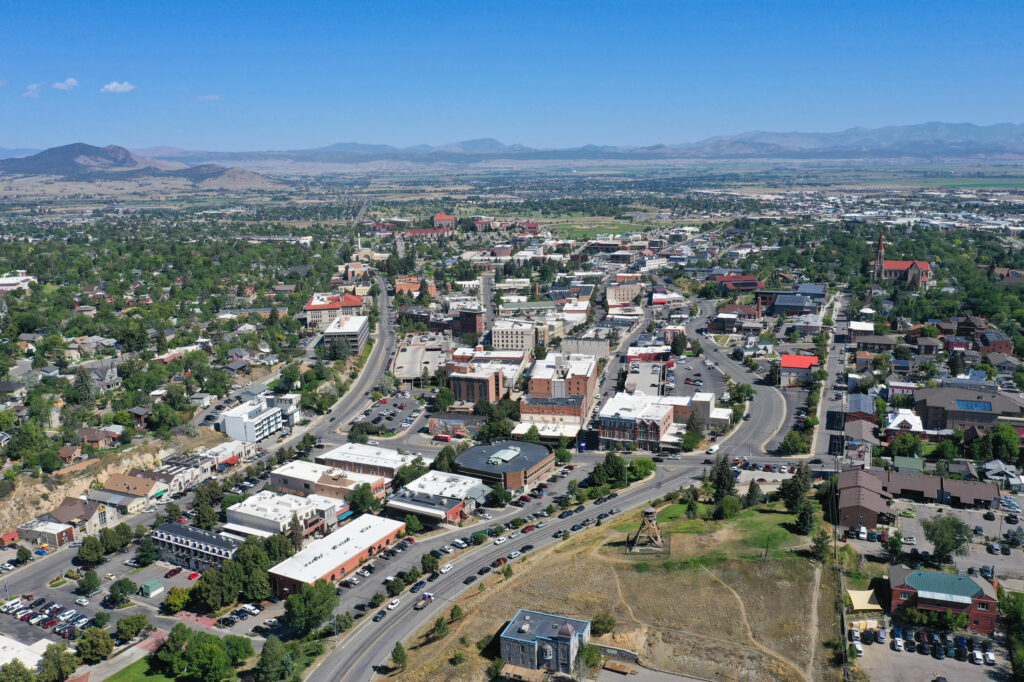
The City of Helena sought to develop a comprehensive strategy to enhance mobility, safety, and public infrastructure within its historic downtown core. RPA led preparation of the Downtown Helena Multimodal and Infrastructure Plan, creating an integrated vision to improve connectivity, support economic vitality, and balance the needs of all users. The plan evaluates existing transportation and infrastructure conditions and identifies opportunities to enhance the pedestrian, bicycle, transit, and roadway network while maintaining the character of downtown Helena. Emphasis was placed on improving accessibility, safety, and circulation, as well as supporting redevelopment and long-term resiliency of critical infrastructure systems.

Key Project Elements

Project Description

RPA conducted a comprehensive assessment of existing transportation and infrastructure conditions within downtown Helena, including roadway operations, pedestrian and bicycle connectivity, transit access, parking supply, and underlying utility systems. The analysis identified key constraints and opportunities to improve mobility, safety, and functionality in the downtown area.

A strong emphasis was placed on multimodal connectivity and user experience. RPA evaluated pedestrian crossings, sidewalk conditions, bicycle routes, and parking access to develop recommendations that enhance accessibility and create a more walkable and bike-friendly downtown environment. Circulation patterns and roadway configurations were analyzed to balance vehicular access with multimodal priorities.

Public and stakeholder engagement played a central role in shaping the plan. Outreach efforts included stakeholder meetings, public workshops, and interactive tools to gather input from residents, businesses, and community leaders, ensuring the plan reflects local priorities and supports downtown vitality.

The plan also integrated infrastructure considerations, including assessment of existing utilities and drainage systems, to align transportation improvements with broader infrastructure needs. Conceptual streetscape and urban design recommendations were developed to enhance the character and functionality of downtown corridors.

The final plan provides a coordinated set of recommendations, including prioritized projects, design concepts, and an implementation strategy to guide future investments. The plan positions the City of Helena to enhance mobility, improve safety, and support economic development while preserving the unique character of its downtown core.

Project Details​

Client

City of Helena

Location

Helena, Montana

Greater Helena MPO Long Range Transportation Plan

The Greater Helena Area transitioned into a newly designated Metropolitan Planning Organization (MPO), requiring a comprehensive and forward-looking approach to transportation planning. RPA led the development of the area’s Long Range Transportation Plan (LRTP), establishing a 20-year vision for a safe, efficient, and multimodal transportation system. The plan integrates roadway, transit, freight, bicycle, and pedestrian networks while aligning with regional priorities such as economic development, sustainability, and public safety. Supporting efforts included a Comprehensive Safety Action Plan (CSAP), a Public Participation Plan (PPP), and additional transit planning components ensuring a coordinated and community-driven planning process.

Key Project Elements

Project Description

RPA developed a comprehensive, data-driven planning framework to evaluate existing conditions and guide future transportation investments across the Greater Helena Area. The effort included a detailed needs assessment, incorporating analysis of existing plans, traffic operations, multimodal connectivity, and socioeconomic trends. Travel demand modeling was used to evaluate future conditions, identify system deficiencies, and support informed decision-making.

A robust public and stakeholder engagement program ensured the plan reflects community priorities. Outreach efforts included stakeholder interviews, public open houses, interactive mapping tools, and online surveys, providing multiple opportunities for input throughout the planning process.

RPA conducted scenario planning and alternatives analysis to evaluate different transportation investments under projected growth projections. These scenarios were tested using modeling tools to understand system-wide impacts and guide the development of recommendations.

The project also included development of a Comprehensive Safety Action Plan, incorporating crash data analysis, safety risk assessment, and targeted strategies to reduce fatalities and serious injuries across the multimodal transportation network. Additionally, RPA completed transit planning efforts, including development of a Transit Development Plan (TDP), Transit Asset Management (TAM) Plan, and Transportation Improvement Program (TIP), supporting long-term investment and coordination while aligning with federal requirements.

The resulting plan provides a comprehensive roadmap for the Greater Helena Area’s transportation system, including prioritized projects, policy recommendations, and a fiscally constrained implementation strategy, positioning the MPO to guide transportation investments, support regional growth, and enhance mobility and safety for all users over the next 20 years.

Project Details​

Client

Greater Helena Metropolitan Planning Organization

Location

Lewis & Clark County, Montana
Public Outreach

Project Website

Helena Pedestrian Crossing

RPA explored ways to make it easier and safer for people to cross busy streets and reach the Centennial Trail. By studying two key locations, the team identified improvements that enhance comfort, visibility, and overall pedestrian experience while supporting better neighborhood connections.

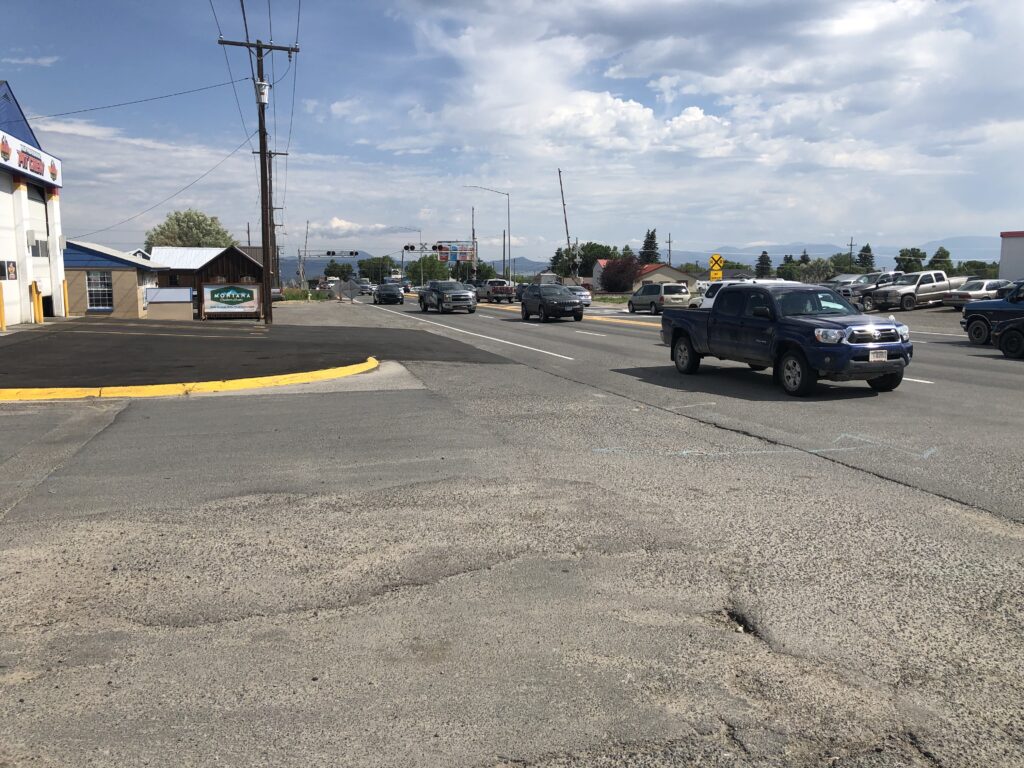
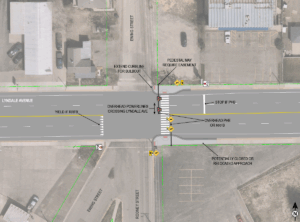
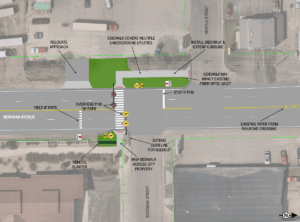
RPA conducted a preliminary engineering study to identify and evaluate pedestrian crossing improvements aimed at enhancing non-motorized access and connectivity, with a particular emphasis on supporting access to the Centennial Trail. The study focused on two key crossing locations: Lyndale Avenue at Ewing Street and Montana Avenue at Bozeman Street. Both locations are situated on high-traffic, multi-lane roadways that currently serve as significant barriers to safe and convenient pedestrian movement. 

The evaluation considered a variety of crossing design configurations, including maintaining existing curb lines, installing curb extensions (bulb-outs) to reduce pedestrian crossing distances, and incorporating center refuge islands. Each configuration was assessed based on several criteria: pedestrian accommodation, vehicular impact, overall safety, physical constraints, and cost-effectiveness. 

In addition to geometric design elements, the study also analyzed traffic control treatments, specifically Pedestrian Hybrid Beacons (PHBs) and Rectangular Rapid Flashing Beacons (RRFBs), to determine their suitability for each proposed crossing configuration. 

The study concluded with a set of recommendations that balance optimal pedestrian safety and comfort with manageable costs and minimal disruption. For both crossing locations, it is recommended that curb bulb-outs be constructed along with the installation of overhead-mounted RRFBs to improve driver yield rates and enhance overall pedestrian safety. These findings provide a foundation for advancing the preferred alternatives into the design development phase.

Project Details​

Client

City of Helena

Location

Helena, Montana

Whitefish Safe Streets for All

RPA assisted the City of Whitefish in completing a Safety Action Plan identifying the most significant transportation safety concerns in the community. The plan outlined implementation steps for projects and strategies to address those issues and ultimately reduce fatalities and serious injuries within the City limits.

Key Project Elements

Project Description

The City of Whitefish was awarded funds from the Safe Streets and Roads for All (SS4A) discretionary grant program to complete an Action Plan identifying the most significant transportation safety concerns in the community with implementation steps for projects and strategies to address those issues in addition to reducing fatalities and serious injuries within the City limits. RPA assisted the City in developing an Action Plan, which aims to address the safety needs of all users, though it places increased emphasis on non-motorist safety, in alignment with community priorities and values.

In support of the plan, RPA facilitated Task Force meetings, a walk audit, stakeholder meetings, City Council coordination, and a variety of public outreach including the Walk N Roll event, website postings and an online commenting map, and two in-person public meetings.

RPA conducted baseline data analysis for crashes occurring within the Whitefish City limits from 2018 to 2022, including crash characteristics, demographic details, and identification of a High Injury Network (HIN). After facilitating selection of focus areas and setting leadership commitment and goals for the plan, RPA identified a series of broad-based strategies associated with each of the four focus areas. Strategies involve the E’s of Transportation Safety (Education, Enforcement, Engineering, and EMS) and follow the Safe Systems Approach with specific attention on safe road users, vehicles, road, and speeds. Example actions range from educational campaigns to investments in infrastructure projects, new technologies, maintenance practices, policies, enforcement, and training, strategies are intended to address safety from numerous angles.

Additionally, RPA identified specific projects, programs, and policies to proactively address identified transportation safety concerns from all angles, including infrastructure improvements, programs focused on safe behaviors, and operational improvements. RPA also developed planning-level cost estimates for each of the project recommendations. Lastly, RPA developed a prioritization process and outlined steps necessary for future implementation efforts.

Project Details​

Client

City of Whitefish

Location

Whitefish, Montana

Public Outreach

Project Website

Lincoln Road – Montana Avenue to I-15

The Montana Department of Transportation (MDT) initiated this project to improve the congested Lincoln Road Interchange six miles north of Helena, Montana on Interstate 15 (I-15). RPA provided holistic professional civil engineering and land surveying services spanning from preliminary traffic engineering analysis and concept development through final design and construction assistance.

Problem

The north valley outside of Helena has experienced rapid growth due to development activity and changes in land use. Construction of the Custer Interchange six miles to the south also resulted in unanticipated changes to traffic patterns and operations at the Lincoln Interchange. Traffic performance deteriorated as traffic volumes increased. This area has experienced vehicle congestion during the peak hours and is expected to experience increased growth in the coming years due to continued development. If remained unchanged, increasing vehicle delay and safety issues were likely to compound. A successful solution was needed to accommodate peak traffic while not unduly delaying motorists during less congested times of the day.

Solution

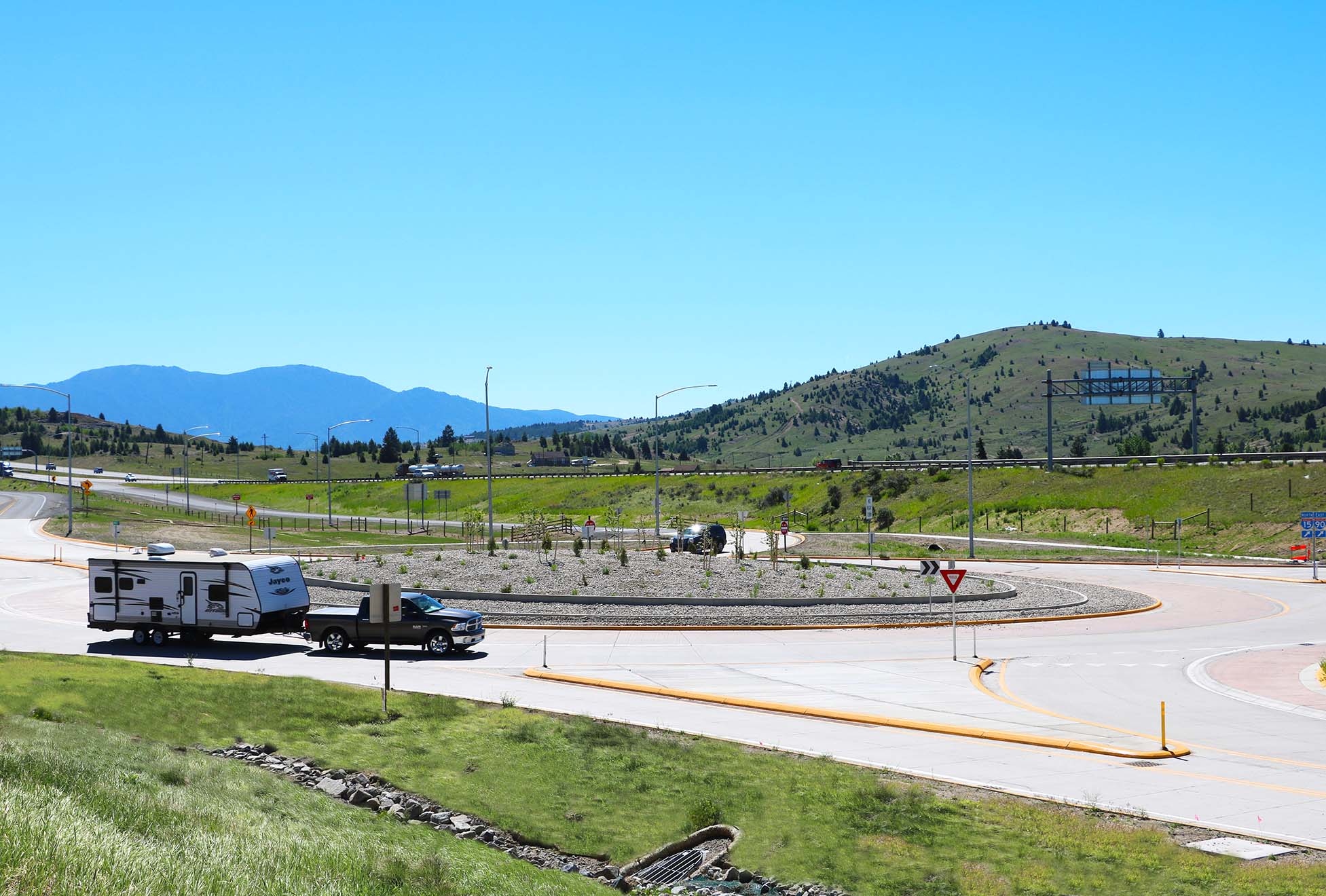
RPA completed a traffic engineering study to identify and evaluate potential options to improve safety and operations for the Lincoln Road corridor between North Montana Avenue and I-15. The alternatives were intended to be implementable in the short-term and did not include full reconstruction of the Lincoln Interchange or the Lincoln Road corridor. Potential barriers and constraints to project development were also identified to evaluate the feasibility of alternatives. The preferred alternative included single-lane roundabouts at the Lincoln Road intersections with Montana Avenue and the I-15 northbound off-ramp, an additional southbound on-ramp lane, and left-turn lane onto the southbound on-ramp.

Key Project Elements

Project Details​

Client

Montana Department of Transportation (MDT)

Location

Lewis & Clark County, Montana

Great Falls Area Long Range Transportation Plan

RPA developed the 2024 Great Falls Area Long Range Transportation Plan, providing the region’s Metropolitan Planning Organization (MPO) with a comprehensive blueprint for guiding transportation investments over a 20-year horizon. The plan balances federal compliance with evolving community priorities, addressing everything from roadway capacity and safety to transit, bicycle, and pedestrian infrastructure, as well as emerging needs like electric vehicle charging and transportation equity.

Key Project Elements

Project Description

RPA was retained to develop the 2024 Great Falls Area Long Range Transportation Plan, a federally required planning document that charts a course for the area’s multimodal transportation system over the next 20 years. The plan was developed in full compliance with the Bipartisan Infrastructure Law, which introduced new federal requirements, updated planning emphasis areas, and expanded funding opportunities for MPOs nationwide.

RPA led plan development through a three-phase process covering existing conditions, visioning, and recommendations, designed to ensure meaningful public input at each stage. Outreach included two public open houses, stakeholder interviews, an online survey that received 575 responses, an interactive commenting map that generated over 160 public comments, and coordination with neighborhood councils and partner agencies. This broad engagement helped ensure the plan reflects the priorities of Great Falls residents, including a strong desire for improved pedestrian and bicycle infrastructure, expanded transit service, and safer streets.

The technical work underlying the plan included a detailed assessment of the existing transportation network covering roadways, non-motorized facilities, transit services, goods movement, and asset conditions, as well as a comprehensive safety analysis of 8,567 reported crashes over a five-year period. RPA used a travel demand model developed for Cascade County to project transportation conditions to 2045 under multiple growth and network scenarios, identifying corridors and intersections likely to experience capacity and operational challenges as the region grows.

The resulting plan includes a prioritized, fiscally constrained menu of improvements spanning committed near-term projects, recommended investments through 2045, and a visionary long-term network. Recommended projects address roadway reconstruction, intersection improvements, bridge rehabilitation, sidewalk infill, and expanded bicycle facilities, totaling approximately $200 million in planned investments. The plan also establishes non-motorized recommendations for nearly 100 miles of new or improved walking and biking facilities, as well as transit goals focused on expanded service coverage, improved reliability, and better rider amenities. The Great Falls LRTP was adopted by the Policy Coordinating Committee in November 2024.

Project Details​

Client

Great Falls Metropolitan Planning Organization

Location

Cascade County, Montana
Public Outreach

Project Website

Idaho 55 / Banks Lowman Road Intersection Study

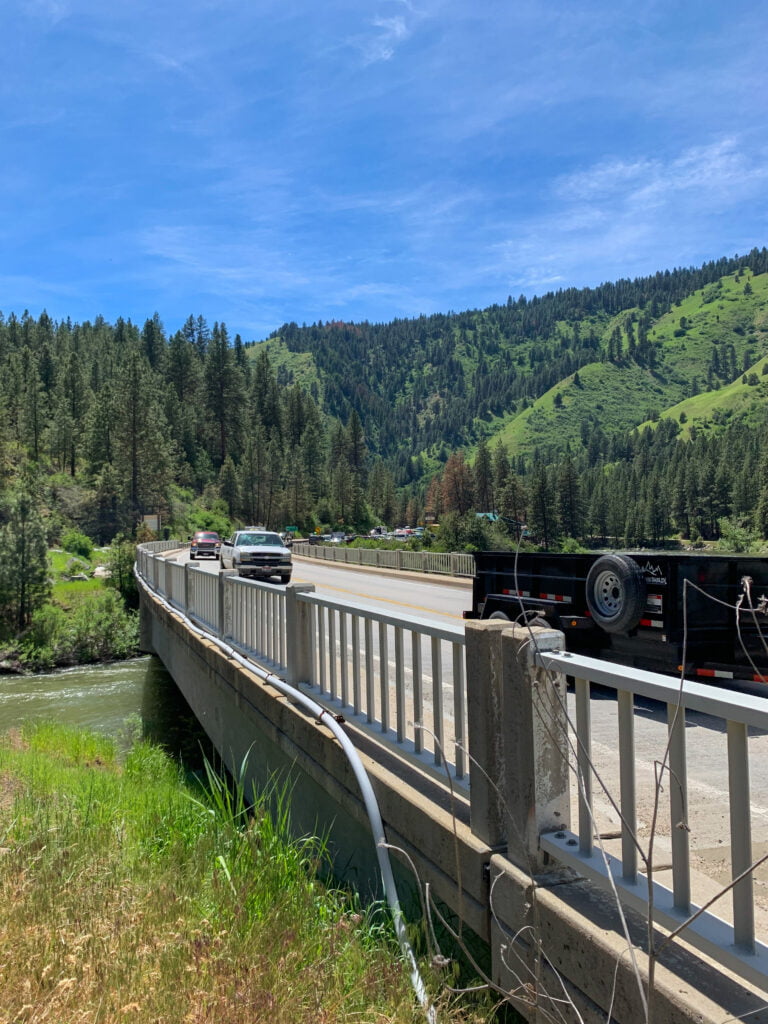
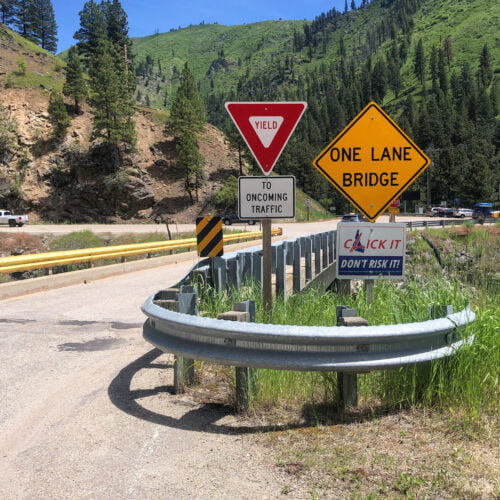
RPA conducted a comprehensive evaluation of traffic and safety conditions at the intersection of State Highway 55 and Banks Lowman Road north of Boise, Idaho. After evaluating existing and projected conditions and multiple improvements, a traffic signal was identified as the preferred alternative for the intersection based on its operational performance under future growth scenarios.

Key Project Elements

Project Description

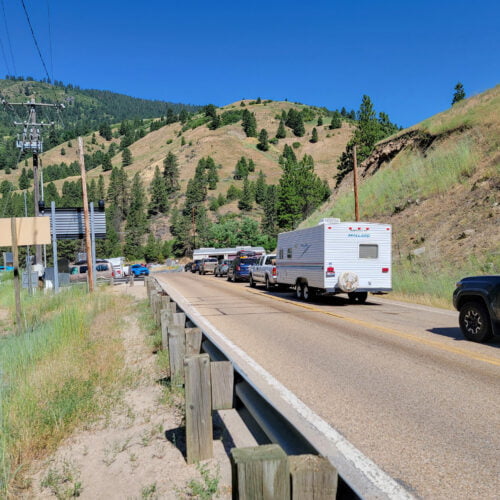
The intersection of State Highway 55 and Banks Lowman Road is located approximately 41 miles north of Boise and provides access to a variety of recreational opportunities in the surrounding public lands. On weekends during the summer, the area experiences an influx of recreational traffic resulting in congestion and lengthy delays for vehicles along Banks Lowman Road. During busy days, the Idaho Transportation Department (ITD) has implemented temporary flagging control to help control and alleviate congestion. As traffic volumes continue to increase, however, the existing strategy is inadequate to meet the growing demands at the intersection.

After collecting traffic data and observing vehicle queuing and turning movements in the field, RPA used a multi-step approach to evaluate existing and projected traffic conditions, including both deterministic and microsimulation analyses. To address operational and safety conditions at the site, RPA analyzed multiple alternatives included maintaining the existing two-way stop control, implementing flagging control more frequently, installing a traffic signal, and installing a single-lane roundabout.

While the existing stop control and peak day flagging operation is viable in the short term, the configuration is not sustainable for the long-term. The flagging operation is shown to help alleviate existing congestion concerns, however, the option offers minor capacity increases and would need to be implemented more frequently during the peak season. Automated flagging control was identified as an interim solution while designs for a more permanent solution are developed. Based on the results of the evaluation process, a traffic signal was identified as the preferred alternative for the intersection. Compared to the other traffic control scenarios, the roundabout was shown to provide the lowest capacity and shortest anticipated life. Conversely, the traffic signal provides the greatest life of all alternatives and the best operational performance under future growth scenarios.

Project Details​

Client

Federal Highway Administration - Western Federal Lands (FHWA-WFL)

Location

Boise County, Idaho

Greater Triangle Area Transportation Plan

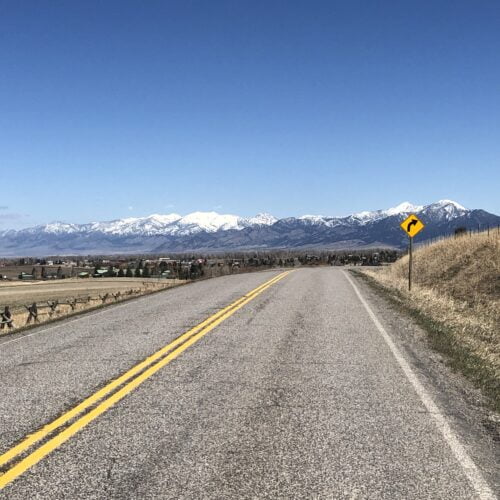
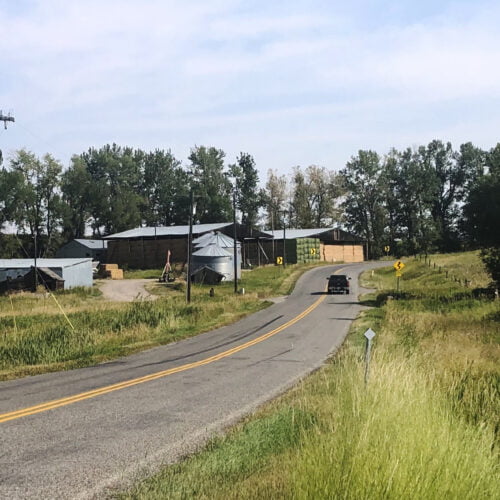
The Greater Triangle Area Transportation Plan was developed to guide transportation infrastructure investments based on system needs and anticipated developments over the next 20 years. The Plan included the areas between Four Corners, Belgrade, and Bozeman where recent suburban development has occurred or is anticipated to occur in the future. The comprehensive plan provides a vision for county officials, staff, and residents to work together to develop innovative approaches to plan and implement a transportation system that will serve the community’s citizens well into the future.

Project Description

Gallatin County has experienced significant growth over the past 40 years. The county has consistently outpaced the population growth of other Montana counties. This growth can be attributed to the evolving economies of the county’s largest cities, Bozeman and Belgrade, the continued expansion of Montana State University in Bozeman, and in-migration resulting from the high quality of life that the county offers. As Gallatin County continues to grow, it is important to understand growth trends to properly accommodate and prepare for the county’s current and future transportation needs.

The last regional county transportation plan was completed in 2007 with more recent updates completed for the urban areas of Bozeman and Belgrade. A new, comprehensive look at the transportation system in the growing suburban area was needed to understand system needs and investment opportunities over the next 20 years.

The Greater Triangle Area Transportation Plan (GTATP) provides a comprehensive and integrated strategy for transportation infrastructure and service improvements within the greater triangle area between Bozeman, Belgrade, Four Corners, and Gallatin Gateway. The GTATP focuses on strengthened roadway connections to facilitate safe and efficient travel between these quickly growing communities within the county. The plan addresses regional transportation issues, overall travel convenience, traffic safety, sustainability, funding, and multimodal connections. The GTATP includes recommendations for short-term improvements as well as long-term modifications and capital improvements to major roadways.

The GTATP serves as a guide for development of and investment in the region’s transportation system in a comprehensive manner. The GTATP was developed through a collaborative approach with county, state, and city staff, elected officials, and local residents. The plan provides a blueprint for guiding transportation infrastructure investments based on system needs and associated decision-making principles. The GTATP integrates previously completed planning efforts, includes detailed analysis of existing and projected transportation conditions, incorporates meaningful input from citizens and local officials, and provides a framework for future efforts within the context of state and federal rules, regulations, and funding allocations.

Project Details​

Client

Gallatin County

Location

Galatin County, Montana
Vigilante Stadium Improvements

Project Description

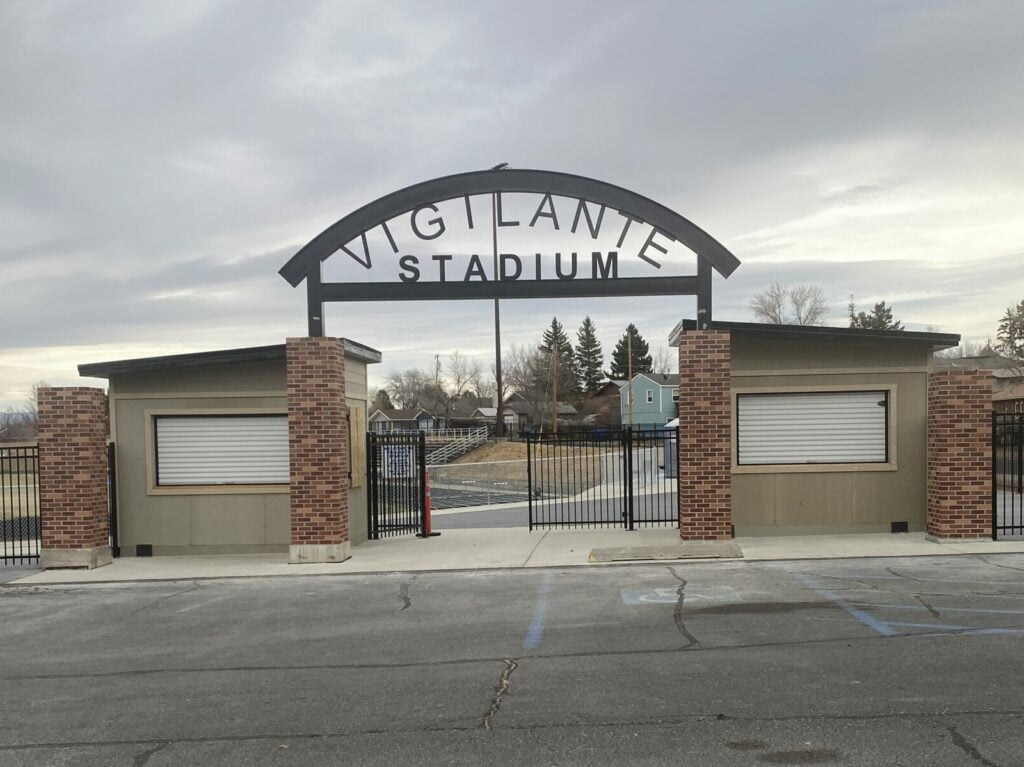
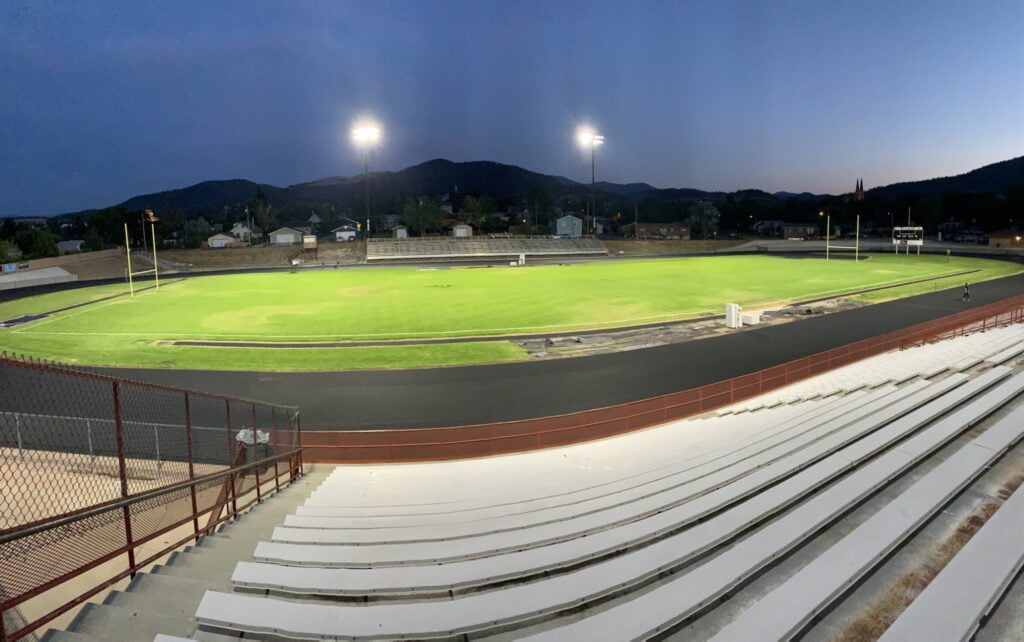
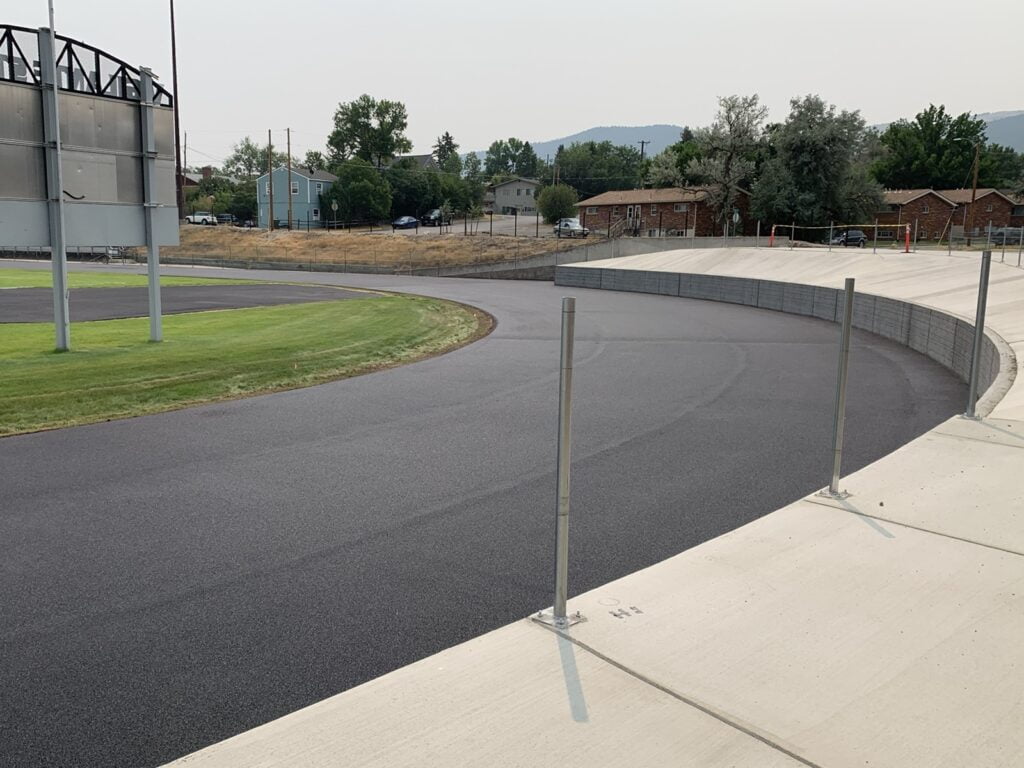
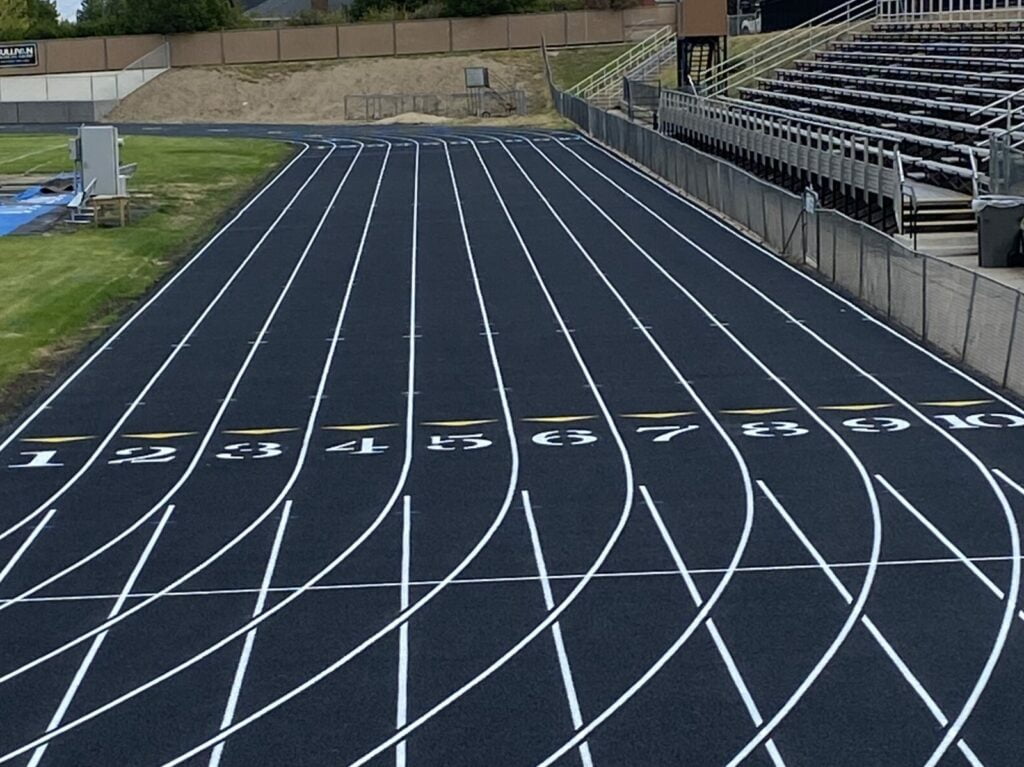
RPA completed design and construction oversight of a significant renovation to the Vigilante Stadium football field and running track facility at Helena Middle School in Helena, Montana. Improvements include a new 10-lane all-weather running track to replace the aging and deteriorating surface, ADA accessible sidewalks and wheelchair seating area, site fencing, cast-in-place decorative concrete retaining walls and replacement of the field lighting and control system. The new facility significantly improved the venue and experience for not only athletes and competitors, but also for event spectators.

Key Project Elements

Project Details​

Client

Helena Public Schools

Location

Helena, Montana

Malta Readiness Center

Project Description

RPA provided the civil/site design for a new Montana National Guard Readiness Center in Malta.  Built on an undeveloped parcel on the east side of Malta, new buildings associated with the project included a new 33,000 square foot Readiness Center Building and a new 9,000 square foot General Purpose Training Bay.  Included with the facility are a multitude of traditional spaces associated with training of soldiers and the daily operations of the unit.

Key Project Elements

Project Details​

Client

Montana Department of Military Affairs

Location

Malta, Montana

MANG Aircraft Apron

Project Description

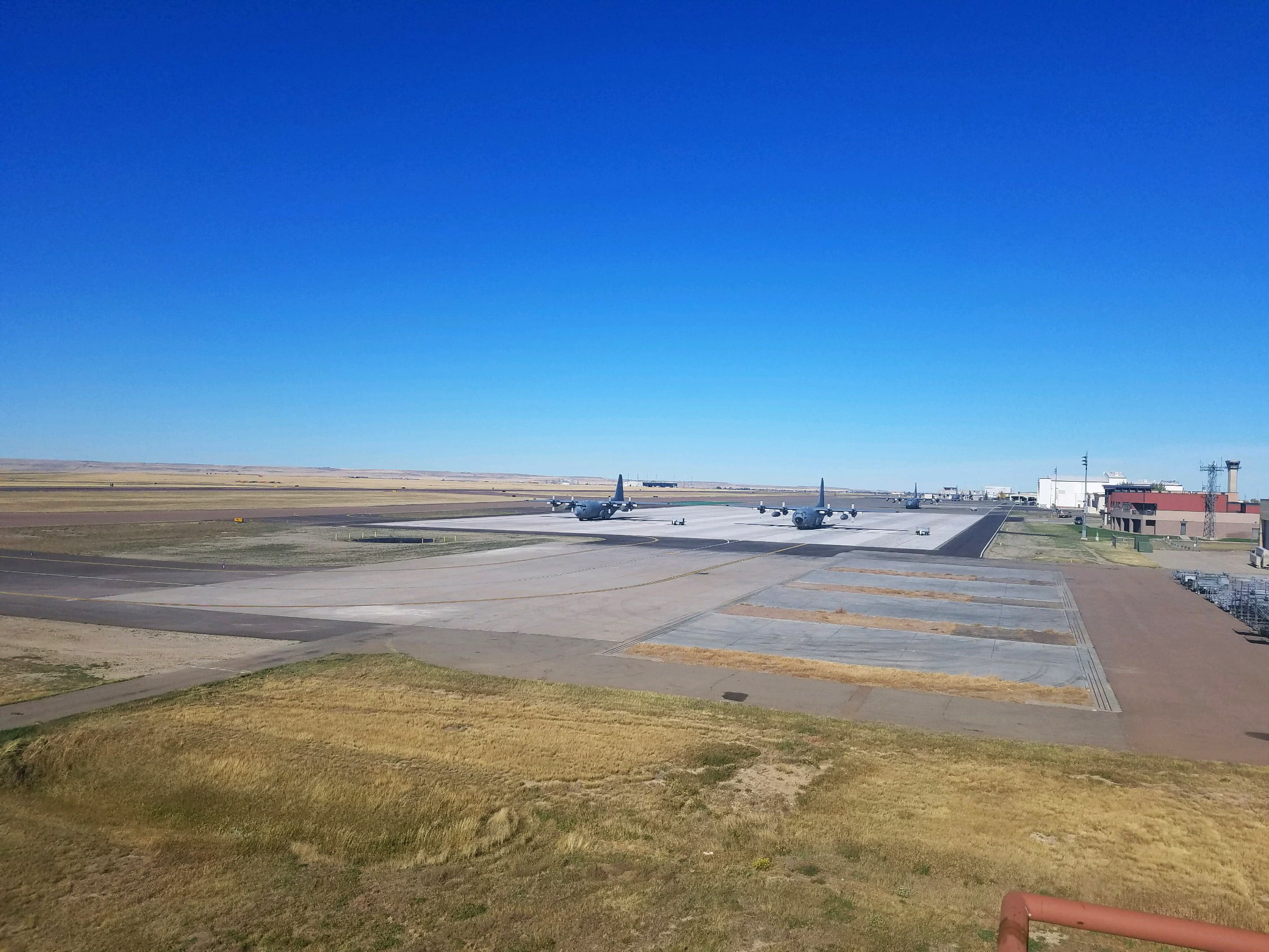
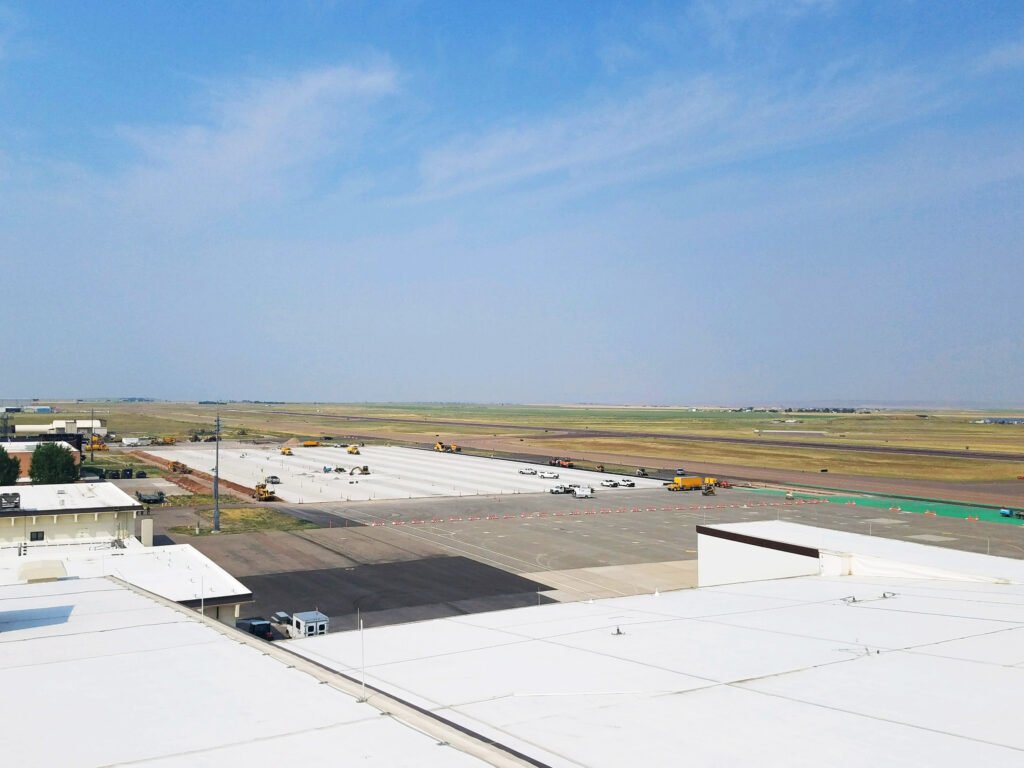
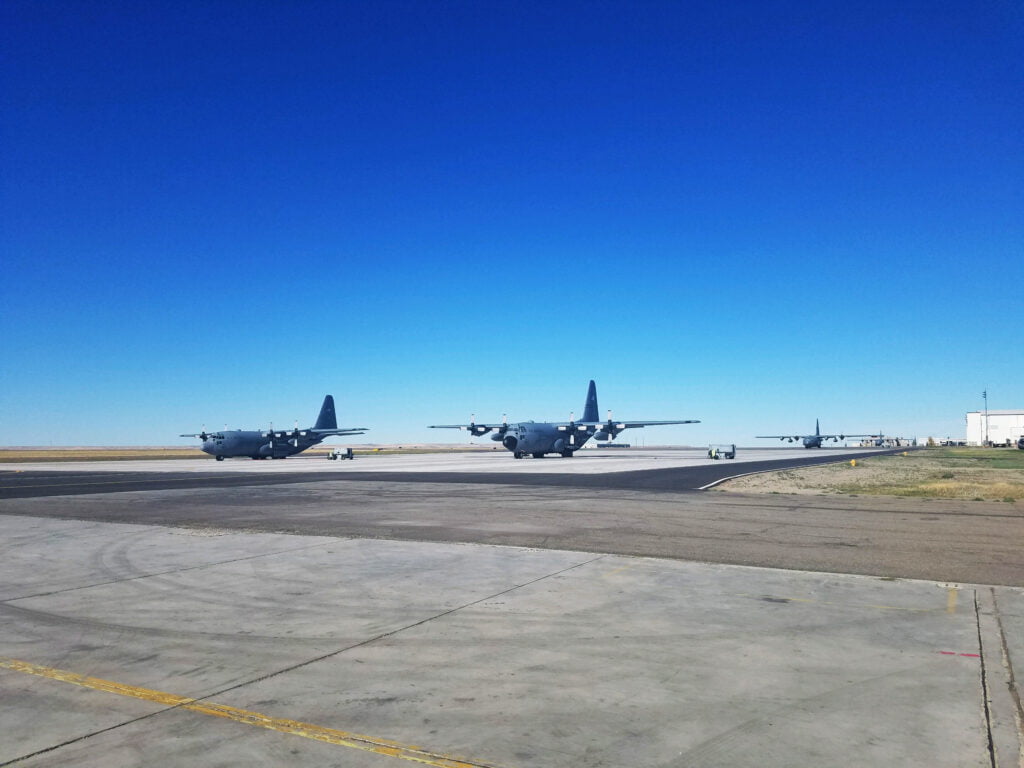
The Montana Air National Guard (MANG), in partnership with the United States Department of Defense – National Guard Bureau (NGB), authorized design and construction of a 5.8-acre concrete apron expansion and supporting facilities to accommodate the mission of the MANG facility in Great Falls, Montana. The project more than doubled the military aircraft parking capacity of the facility, enabling the Guard to strengthen its ability to train and prepare the men and women of the Montana Air National Guard to respond to emergencies and provide support during war and in times of crisis.

The new 5.8-acre concrete apron expansion added four fully-compliant parking positions for the C-130J aircraft, as well as additional connecting taxilanes to the Great Falls International Airport (GFIA) airfield to allow any of the parked C-130’s to access the GFIA airfield without having to move another parked C-130. Other improvements included a new surface runoff collection system and lined evaporation pond to properly manage the runoff of glycol-based fluid from aircraft deicing operations, new stormwater piping and manholes, new airfield lighting and apron security lighting, and modifications to aircraft tiedown locations in the existing apron to accommodate the recent mission change from C-130H aircraft to the larger C-130J aircraft.

RPA provided professional civil engineering and land surveying services for this project. Specific services provided included: comprehensive 7-acre topographical site survey, apron and taxiway design, utility design and full-time construction observation and administration.

In addition to designing and phasing the improvements to minimize impacts to both Montana Air National Guard and Great Falls International Airport (GFIA) operations, the inclusion of multiple significant regulatory agencies and stakeholders greatly increased the complexity of this project. Not only was the design required to meet strict National Guard and United States Air Force requirements, it also was required to fully comply with Federal Aviation Administration (FAA) design and construction standards and requirements of the GFIA, due to MANG’s adjacency to, and utilization of, GFIA’s runways and taxiways. The design team held numerous meetings with all of the above agencies/stakeholders, to ensure both design and construction were in full compliance with all requirements. In total, more than 20 Department of Defense Unified Facilities Criteria (UFC’s), United States Air Force Engineering Technical Letters (ETL’s) and FAA Advisory Circulars were incorporated as required design standards for the project.

Project Details​

Client

Montana Air National Guard (MANG)

Location

Great Falls, Montana

US 93 Ninepipe Corridor Feasibility Study

RPA collaborated with a number of state and federal entities to create a feasibility assessment for a challenging stretch of US Highway 93 between RP 40.0 and 44.5. The study assessed geotechnical limitations, hydraulic considerations, wetland impacts, cultural influences, and right-of-way requirements to assess improvement possibilities in terms of impacts, construction costs, and feasibility. The study’s findings will be utilized to inform project development decisions and future environmental re-evaluations.

Key Project Elements

Project Description

US Highway 93 (US 93) is an important highway corridor and supports local, regional, and nationwide transportation. The Ninepipe segment extends from Reference Post (RP) 40.0 to 44.5 south of Ronan, MT in Mission Valley. The corridor is situated in a highly sensitive ecological and cultural environment through federal and tribal lands designated for wildlife management, environmental protection, and cultural preservation. Improvements to the corridor are needed to address poor existing traffic operations, projected increases in traffic volumes, multiple safety concerns, and a lack of dedicated pedestrian and bicycle facilities.

Building from an alternative identified in previous environmental documentation, RPA worked collaboratively with the Montana Department of Transportation (MDT), the Confederated Salish and Kootenai Tribes (CSKT), and multiple environmental resource agencies to identify a feasible reconstruction concept that would optimize benefits and reduce impacts. The study evaluated geotechnical constraints, hydraulic considerations, wetland impacts, cultural influences, and right-of-way needs to evaluate improvement options in terms of impacts, construction costs, and feasibility considerations. Findings from this study will be used to assist MDT in project development decisions and will support a future environmental re-evaluation.

Project Details​

Client

Montana Department of Transportation

Location

Montana

Rocker Interchange

Project Description

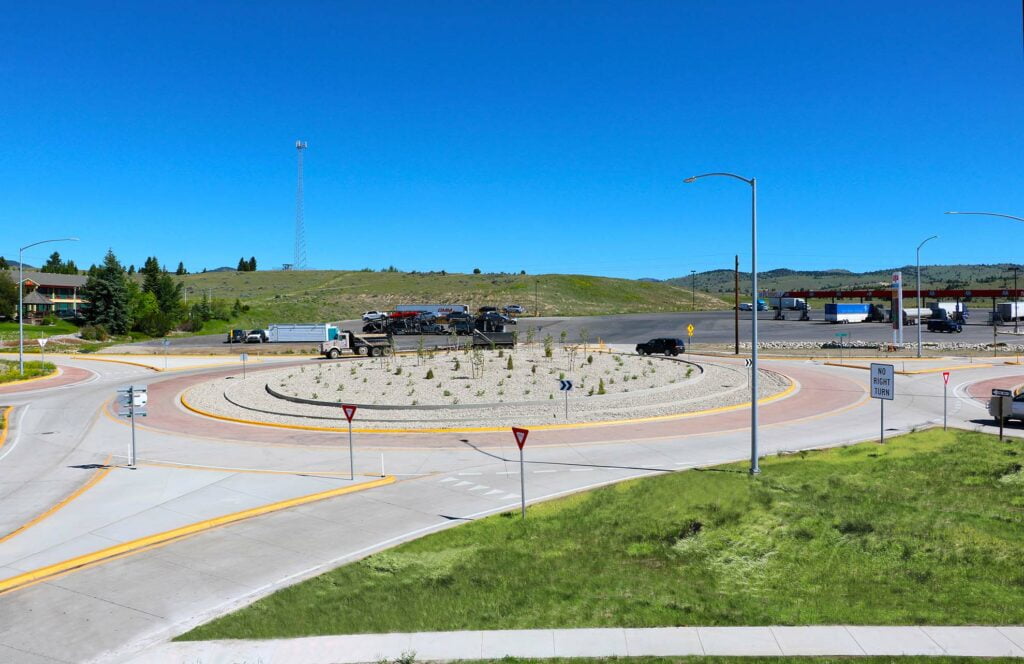
RPA was contracted to provide design services to implement a previous high-level planning study’s preferred configuration of roundabouts for the Rocker Interchange ramp terminals. Five- and six-legged roundabouts were developed to accommodate the interstate ramps, frontage roads, and business accesses in this tightly-constrained setting. Due to landowner opposition and political pressure, the south roundabout was converted to a standard intersection during design, implementing improved geometrics where feasible. The north roundabout includes outer truck aprons to accommodate the high volume of trucks, pedestrian amenities, and landscaping. Drainage is collected through the new storm drain system and retained on-site in a series of retention ponds. The plan sequence of operations allowed traffic to all roadways and businesses throughout construction.

Project Details​

Client

Montana Department of Transportation

Location

Rocker, Montana

US 2 – Poplar

Project Description

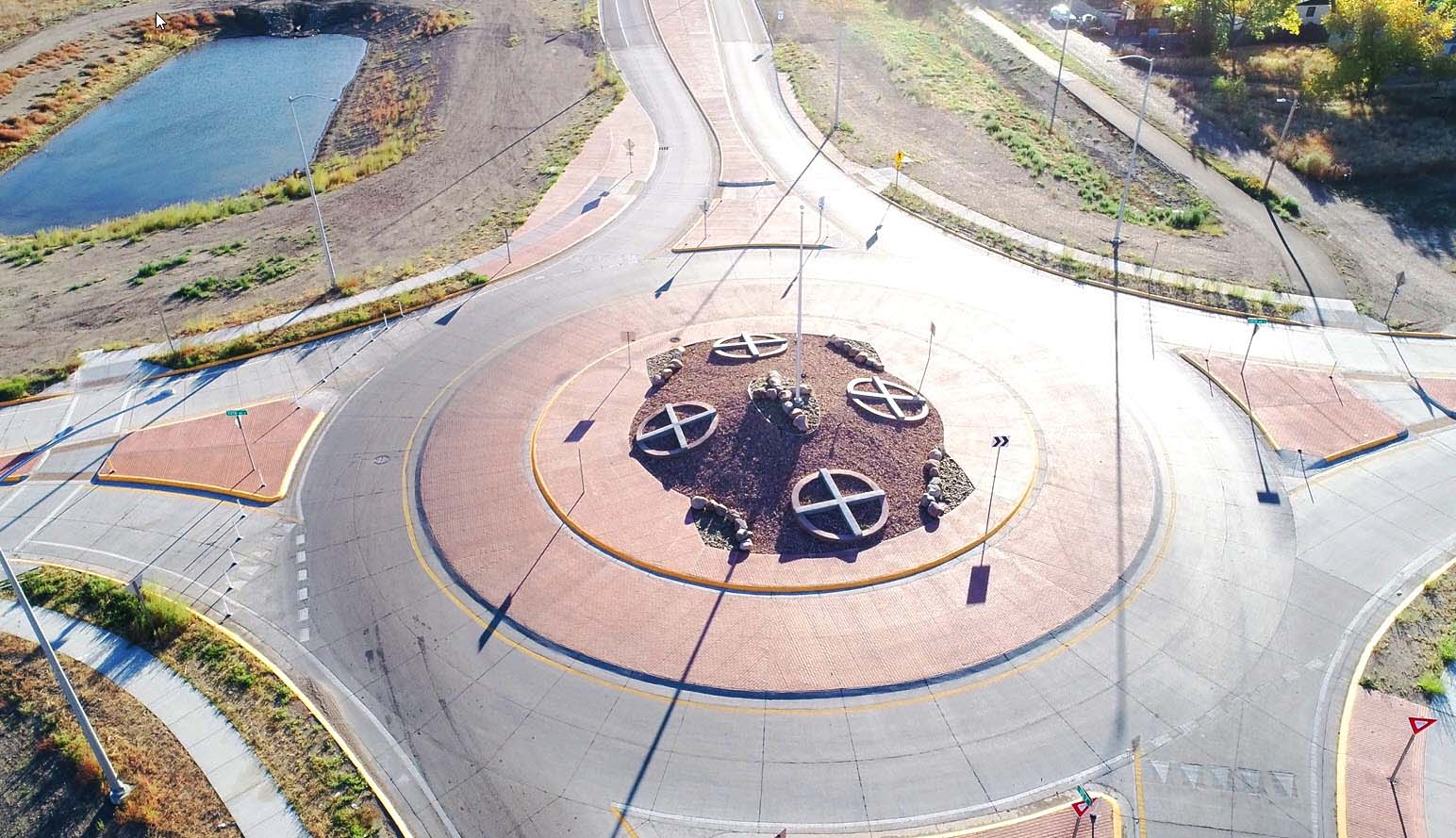
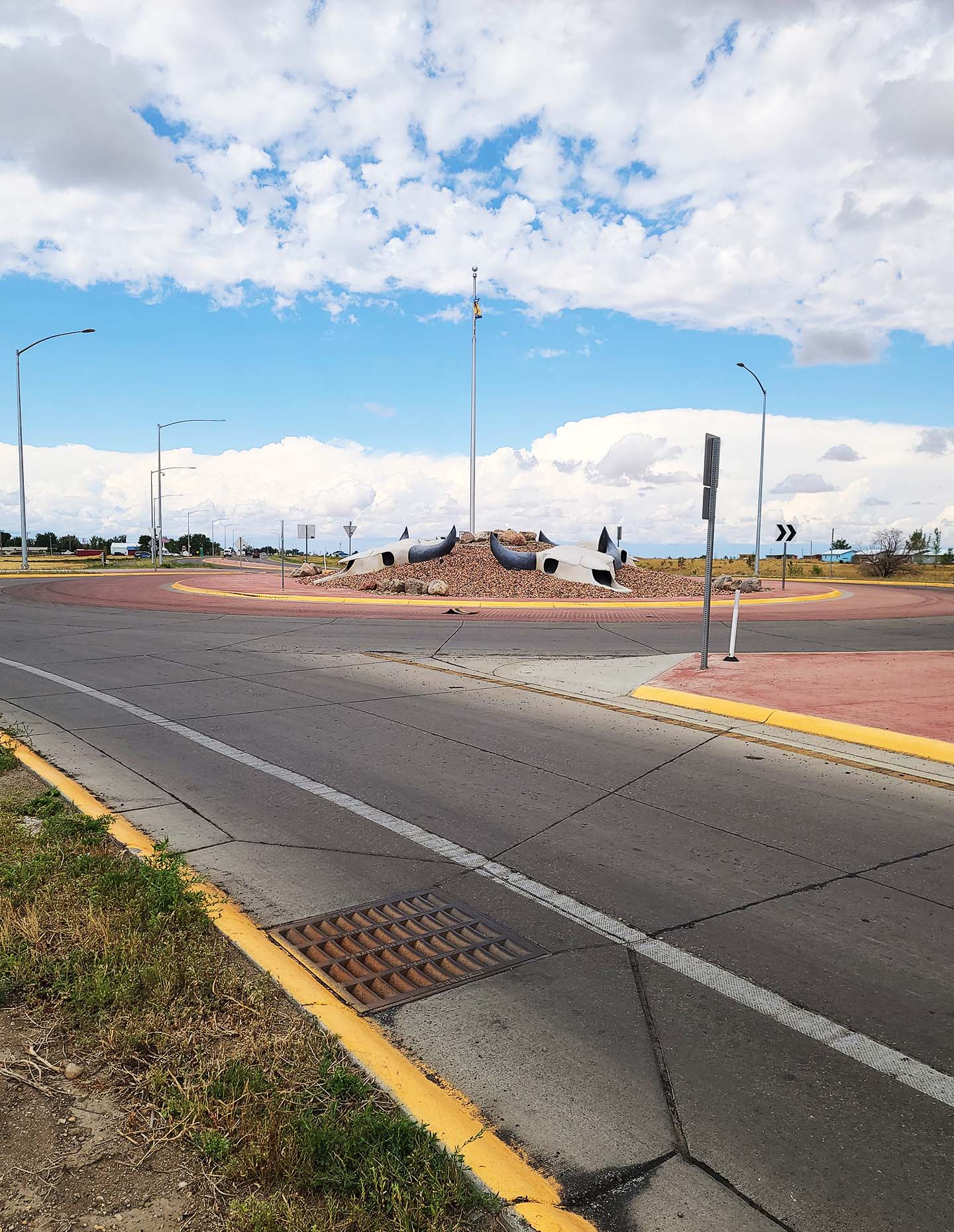
The US 2 – Poplar project began as a surfacing rehabilitation through the town of Poplar. A roundabout was added early in the design phase at Kirn Road to improve safety and slow speeds in a heavily used pedestrian area. MDT and the Tribes agreed upon the addition of a roundabout at 5th Ave. E to accommodate a new residential and commercial development. SK Geotechnical, RPA, and MDT District and MDT Surfacing cooperatively developed a constructible, cost-effective cement-treated pulverized base surfacing section for the rehabilitation efforts in town. The reconstruction portion of the project utilized cement-treated base course.  The project plans included new separated shared-use paths, ADA upgrades, pedestrian bulb-outs and RRFBs, landscaping, accommodations for oversized trucks, and construction detours and phasing that allows for each roundabout to be constructed in two phases. RPA’s school crossing study resulted in the addition of bulbouts, raised refuge islands and RRFBs for the Poplar Public Schools.


MDT and RPA  worked exhaustively to obtain and keep community and Tribal Executive Board acceptance with multiple visits and presentations to the Board, two community meetings, and several landowner meetings. Crucial to community acceptance was the culturally relevant landscaping designs and sculptures in the center of the roundabouts.

Project Details​

Client

Montana Department of Transportation

Location

Poplar, Montana

City of Helena Multimodal Traffic Study

Project Description

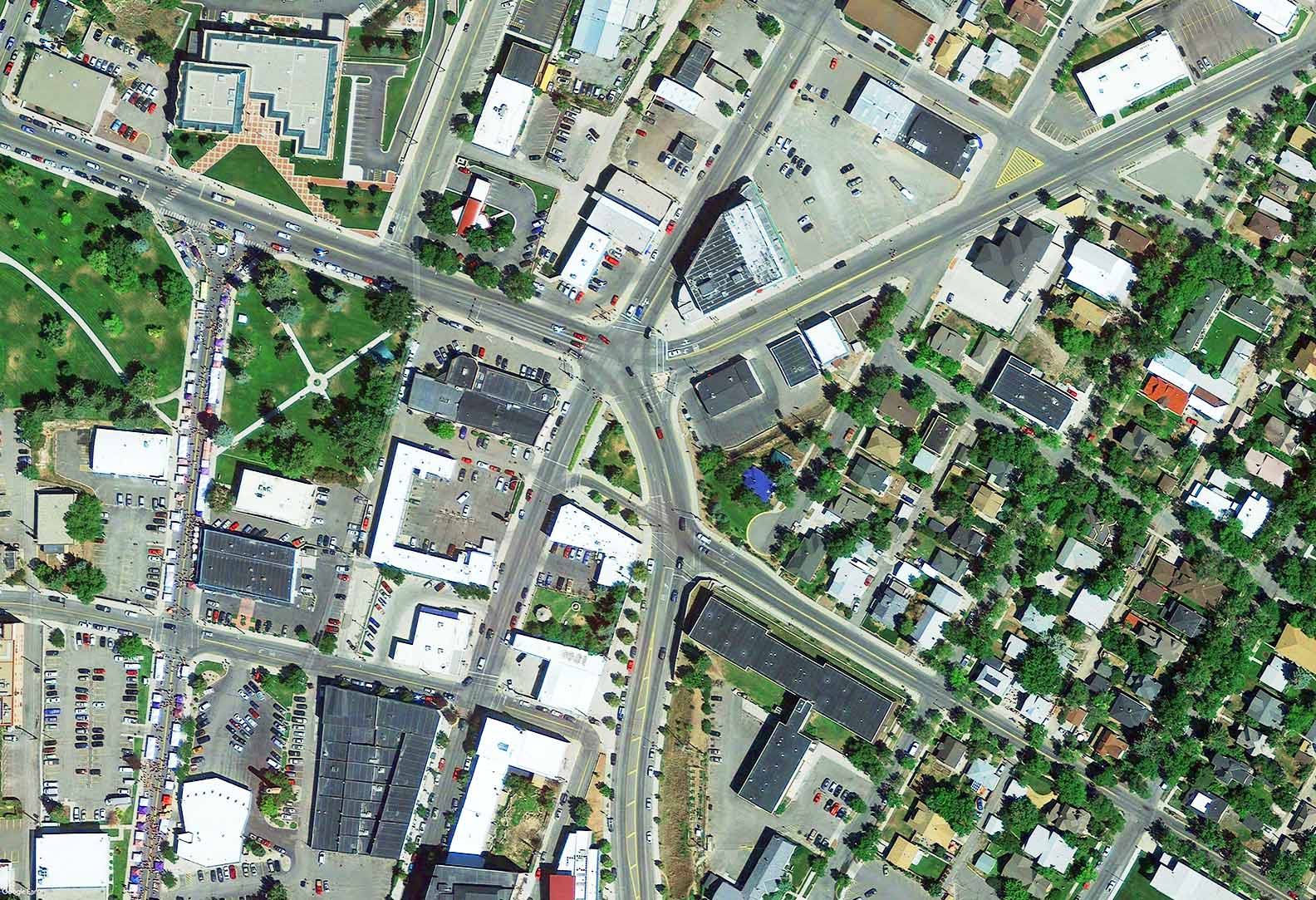
The study area is situated in the heart of Helena and provides access to the Downtown, Capitol, Helena College, and Helena Middle School. The area includes primary commercial, business, and residential districts and serves multiple transportation modes including passenger vehicles, freight, bicycles, pedestrians, transit, and rail. The study corridors and five-point intersections each have unique character, settings, and configurations, each with their own set of issues and needs. The two five-point intersections have non-standard layouts and geometrics. The configurations can cause driver confusion and have poor operating efficiency, particularly during peak hours. The study identified concerns regarding safety, a lack of suitable non-motorized infrastructure, undesirable aesthetics and lack of gateway signage, and access to commercial and residential areas.

The traffic study considered all previously completed planning efforts, assessed existing and projected transportation and environmental conditions, provided an in-depth analysis of feasible improvement options, and identified recommendations to be implemented over the next 20 years. Through a comprehensive evaluation of transportation and environmental conditions and a wide-ranging public and stakeholder outreach process, the traffic study identified a set of 16 recommendations to address multimodal safety, connectivity, access, mobility, aesthetics, wayfinding, and economic vitality for the adjacent areas. The recommended improvements offer a range of potential short- and long-term strategies to address areas of concern, including streetscaping enhancements, sidewalk improvements, ADA curb ramps, enhanced crosswalks, traffic signal timing adjustments, bike lane extensions, intersection realignment, a grade-separated rail crossing, trail extension, and intersection reconstruction.

Extensive public and stakeholder involvement occurred throughout the planning process. Before a study scope was developed, introductory visioning workshops were held with the community and key stakeholders to understand their concerns and needs prior to contract execution. During the plan development, our team held both in-person outreach activities (with small groups, and by appointment) and virtual opportunities. We developed presentation videos, high-quality graphic renderings, and other easy to understand public-facing materials. There was also extensive coordination with MDT, the Downtown Business Improvement District, two TIF districts, adjacent businesses, school district, and the City.

Project Details​

Client

City of Helena

Location

Helena, Montana

Makoshika State Park Infrastructure Repairs

Project Description

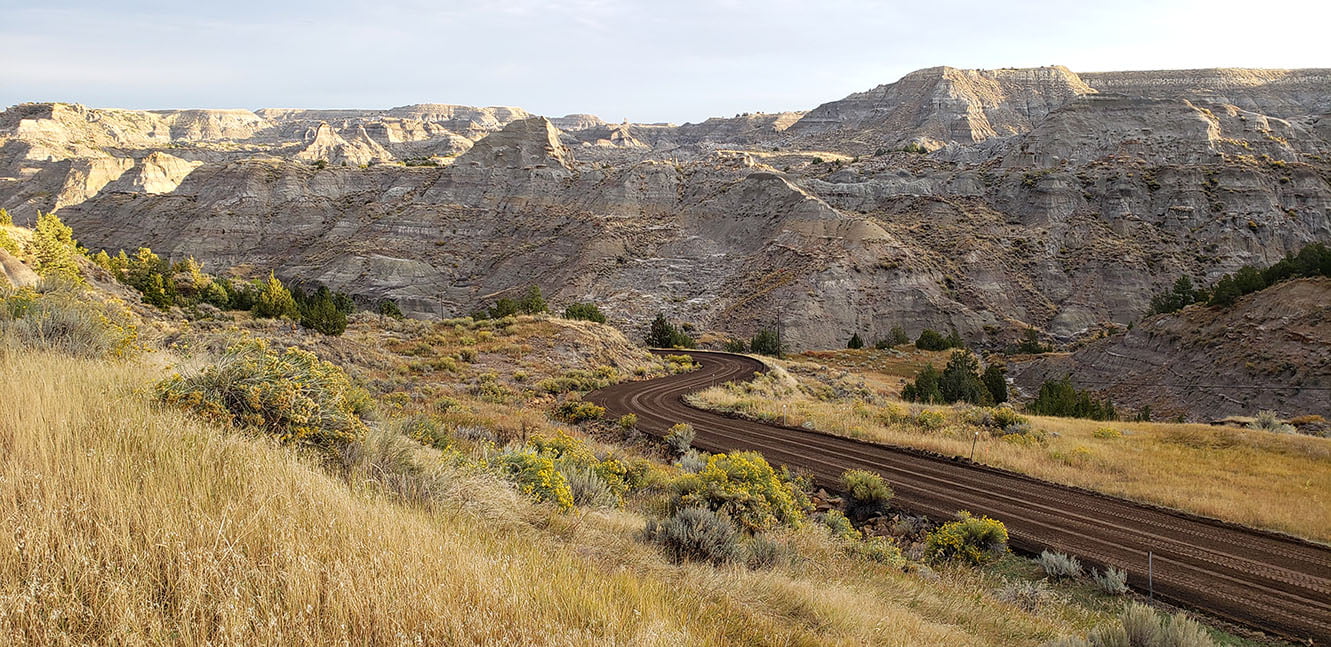
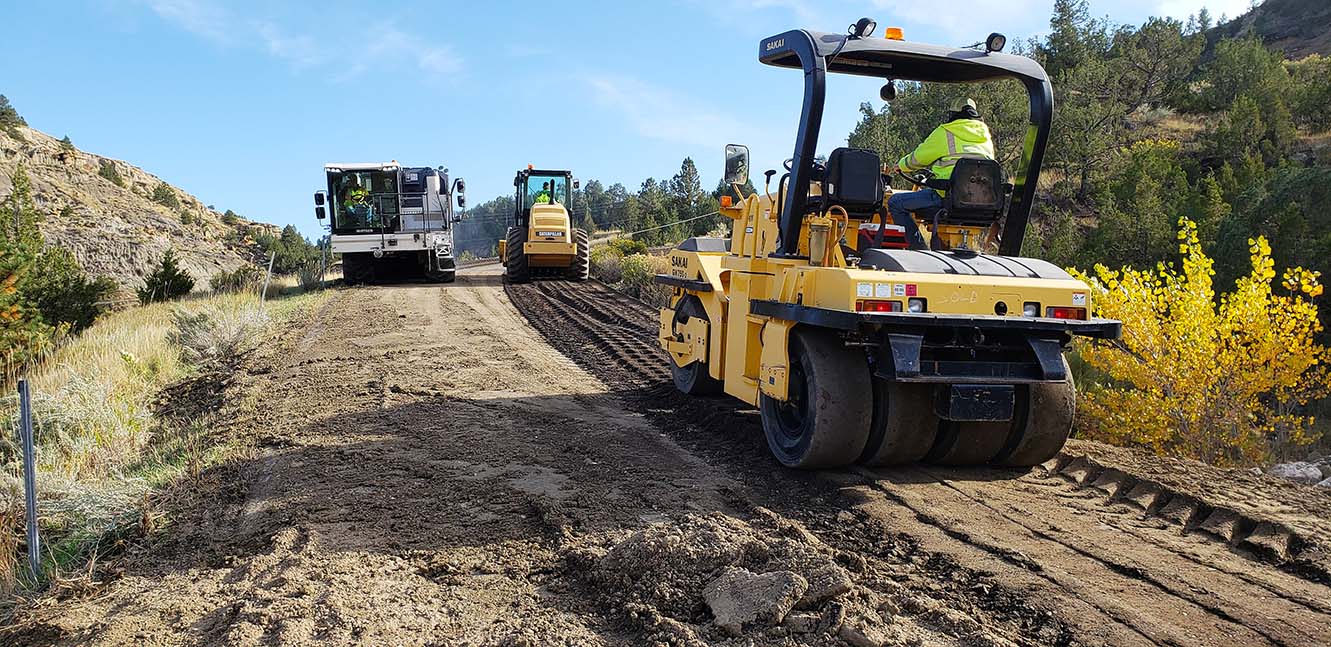
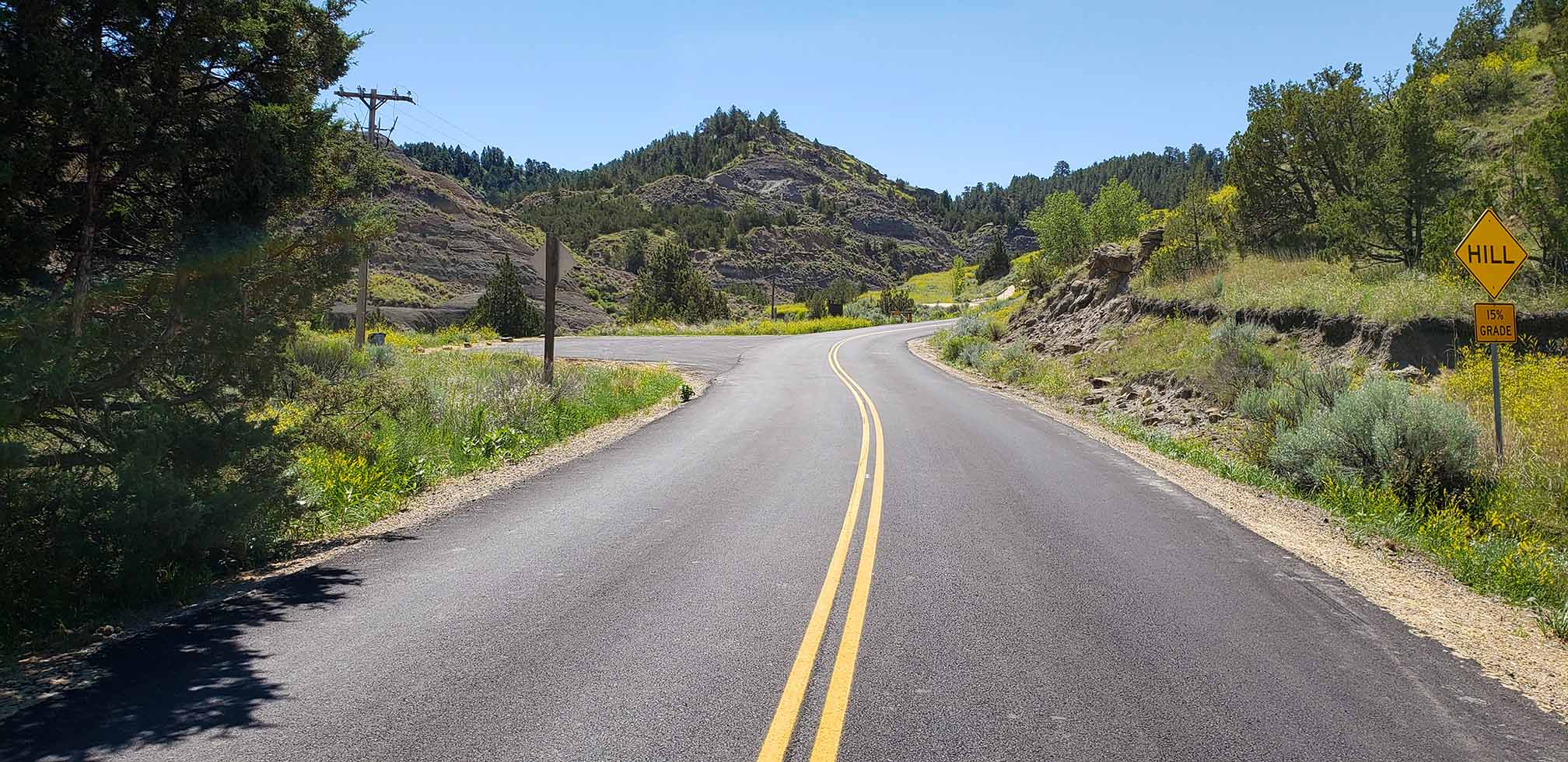
Montana FWP required repairs to the aging infrastructure at Makoshika State Park. The park is in a very dynamic geologic setting “the badlands” with fossil laden highly erodible and expansive soils. Early project planning and design included: road repairs; campground relocation; associated municipal water and on-site wastewater disposal designs; trail improvements and a new pedestrian bridge. Budgeting, site assessment, and prioritization moved the project focus to its greatest need of road and drainage repair. Full Depth Recycling (FDR) and Cement Treated Base (CTB) with asphalt overlay were major components of the road design for about 2.5 miles of the park access road. Twenty-six drainage crossings were assessed and reestablished.

Project Details​

Client

Montana Fish Wildlife & Parks

Location

Makoshika State Park, Montana

Holter Lake Campground – Boat Ramp and Docks

Project Description

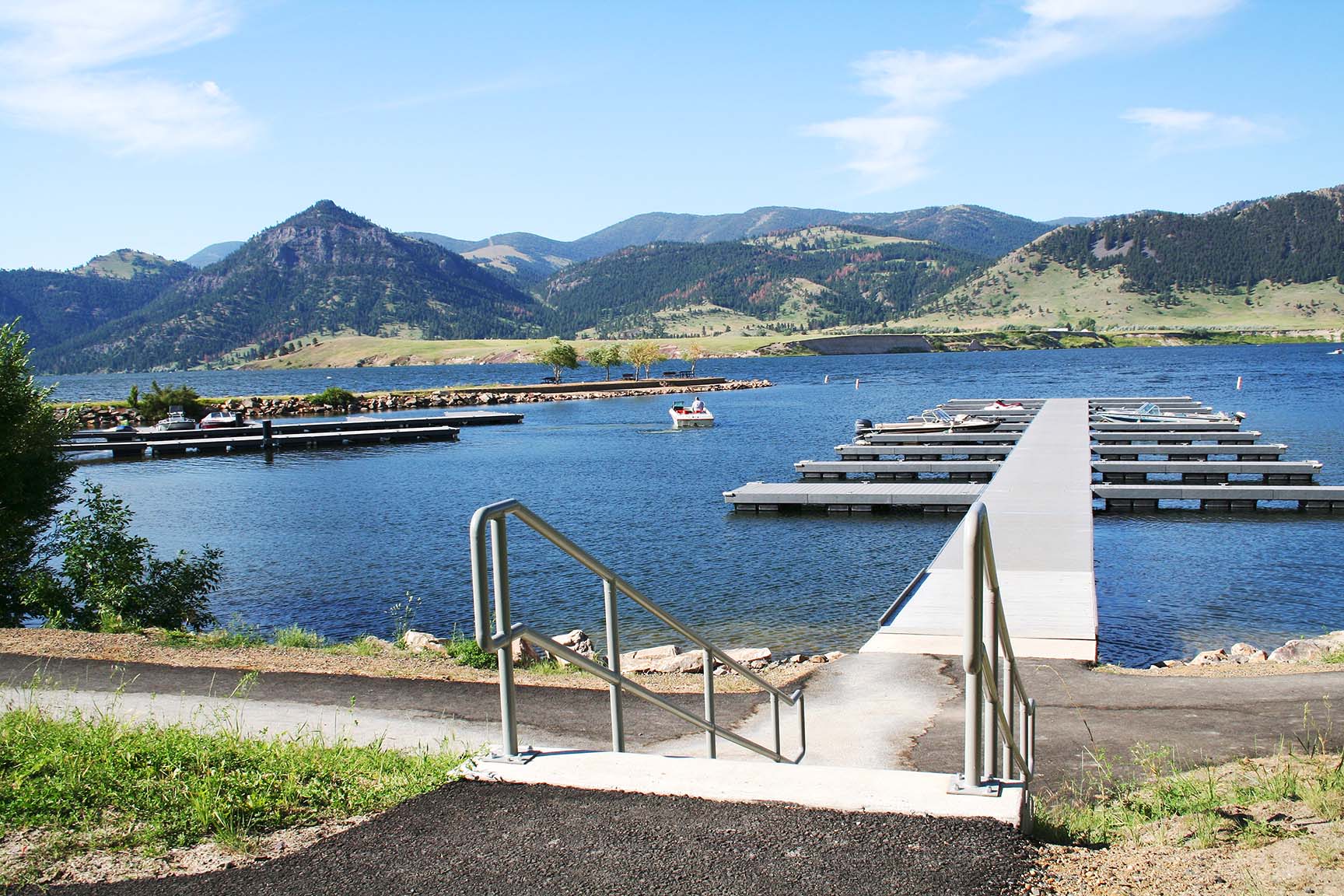
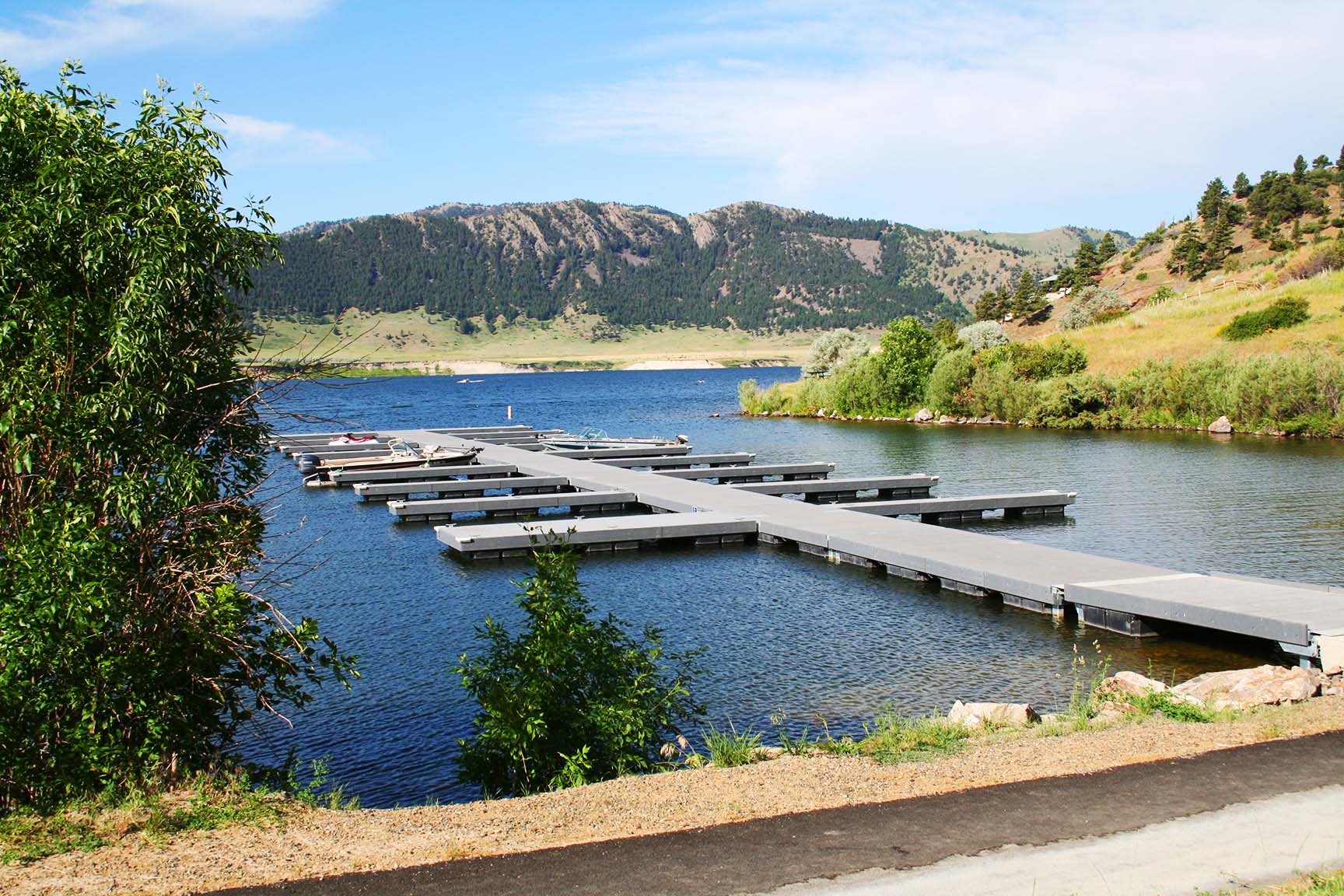
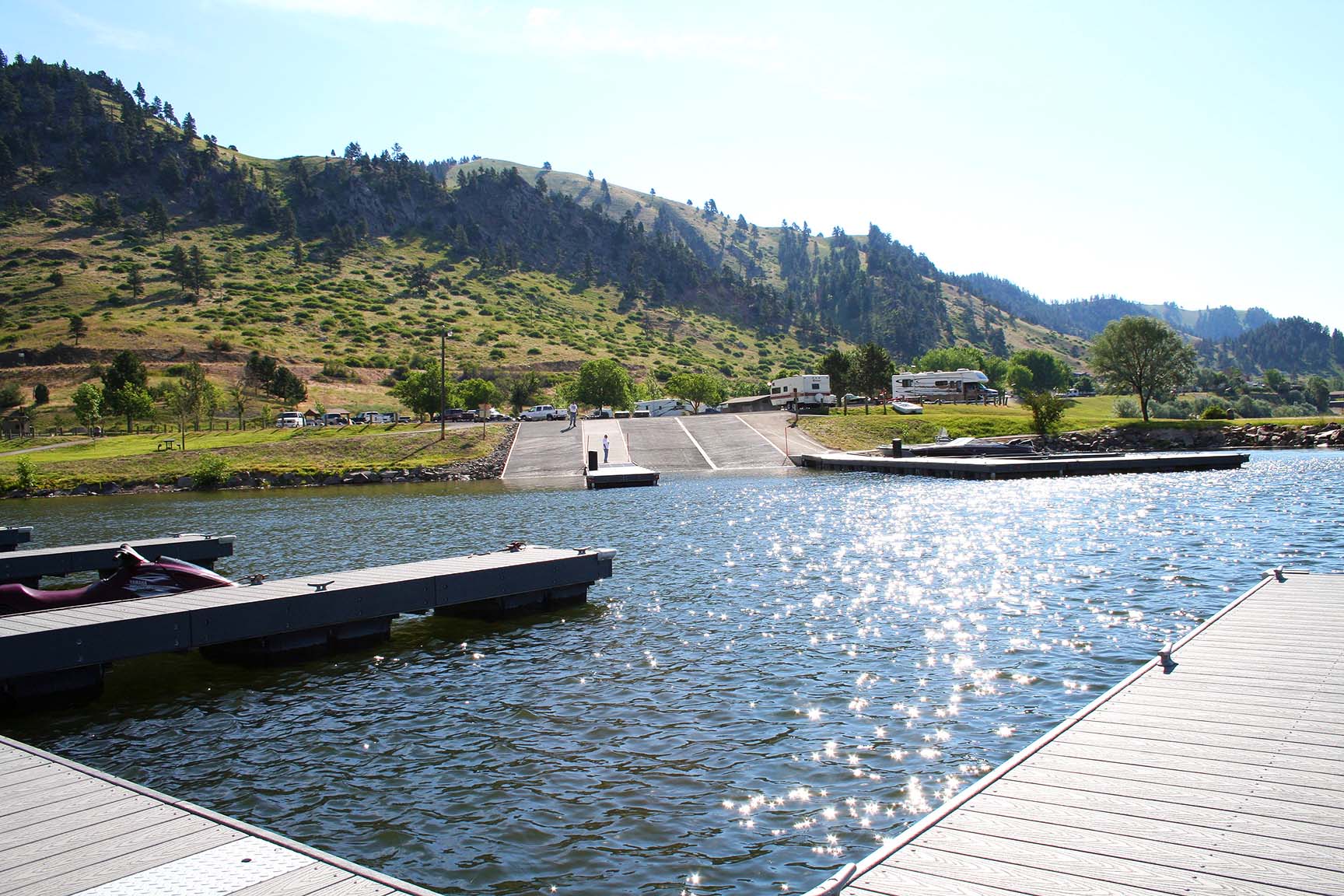
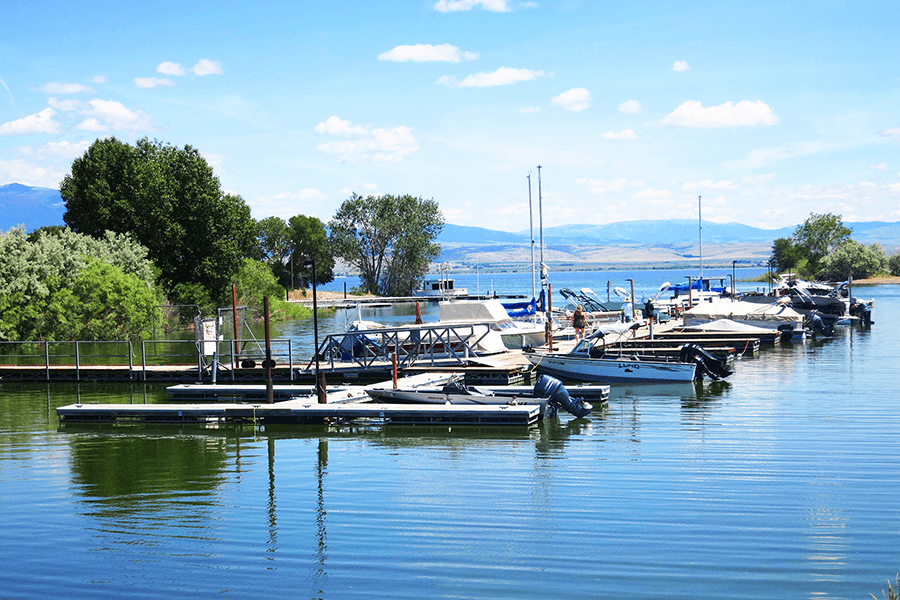
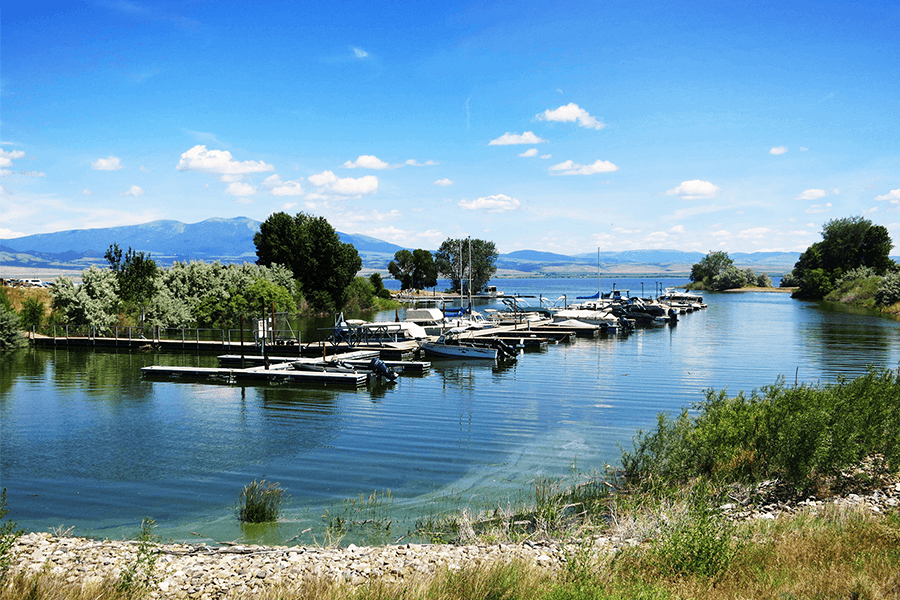
The Holter Lake Campground is located about halfway between Great Falls and Helena, Montana on Holter Lake, an impoundment on the Missouri River. Campground visitation is currently about 50,000 visitors per year with projections of up to 350 boat launchings per day. The design includes a 65-foot boarding float between boat access ramp lanes, an 88-foot courtesy dock, and a 235-foot main overnight dock. The layout accommodates 43 overnight moorings and is designed for winter seasonal removal of the floating dock sections.

Trails to the docks were routed to provide ADA accessibility and minimize the impact on the existing facility. The paved trails, concrete stairway, dock abutments, shoreline stabilization, and anchoring system designs were complicated by fill-type soils and shallow groundwater. The existing boat ramp was being undercut at the toe and required deepening and lengthening in addition to adding ramp access lanes. The water depth at the ramp toe required that sheet piling be installed for dewatering during construction. RPA coordinated with a number of structural, geotechnical, dock, and ramp specialists to facilitate the design.

Design alternatives were compiled into reporting that also addressed cost estimates. Design complications included significant wave and ice loads on the dock and shoreline stabilization. RPA accommodated multiple design reviews and provided complete plans and specifications provided for bid. The construction cost of the project was about $1.1M. The design work was completed through RPA’s IDIQ contract with the BLM Montana and Dakotas region.

Project Details​

Client

Bureau of Land Management

Location

Holter Lake, Montana

Port of Piegan – New Housing and Infrastructure

Project Description

RPA competed the Civil design work for this Land Port of Entry (LPOE) task under a General
Services Administration (GSA) Rocky Mountain Region 8 (Colorado, Montana, North Dakota,
South Dakota, and Wyoming), AE Services IDIQ. The project involved building additional
prototype housing for US Customs and Border Protection (CBP) personnel at the Piegan LPOE property. The remote, self-sufficient site design required complex interrelations and significant infrastructure improvements.

KEY PROJECT ELEMENTS:

  • 63-acre site, 46 existing and new housing units
  • Phased design/build procurement, LEED compliance
  • Tribal lands, international border, national park setting, severe weather, variable seasonal use, and visitation, existing historic facilities
  • Site survey, existing infrastructure assessment, systems testing, soils investigations, alternatives analysis
  • On-site sewage treatment and disposal system, surge volume storage
  • Surface source water collection and security, water right review
  • Two-mile source water main, water treatment systems and backwash disposal, new water delivery system
  • Buried fire water and potable water storage, fire protection pump systems
  • Roads, parking, drainage system, and controls
  • Electrical distribution systems and emergency on-site generation, natural gas distribution
  • Security fencing, trails, common community areas, severe weather landscaping

Project Details​

Client

Bruce Boody Landscape Architects

Location

Port of Piegan, Montana

Block 106, Lot A

Project Description

Block 106, Lot A is a 3-story mixed use Type V building located in the Mill District, and is
currently under construction. The building is 17,600 SF with 4,000 SF of at grade parking beneath the building. The ground floor is intended for retail and office space with levels 2 and 3 serving as multi-family residential units. The structure is a combination of steel and wood framing. Wood shear walls serve as the lateral force resisting system for the building. The building is configured with a 2,000 SF courtyard at the 2nd level. The courtyard was designed for a 605 SF landscaped roof garden and snow storage.

RPA served as the Civil and Structural Engineer of Record for this project. Additionally, RPA’s
structural group provided special inspection services during construction

    Project Details

    Location

    Bozeman, Montana

    Architect

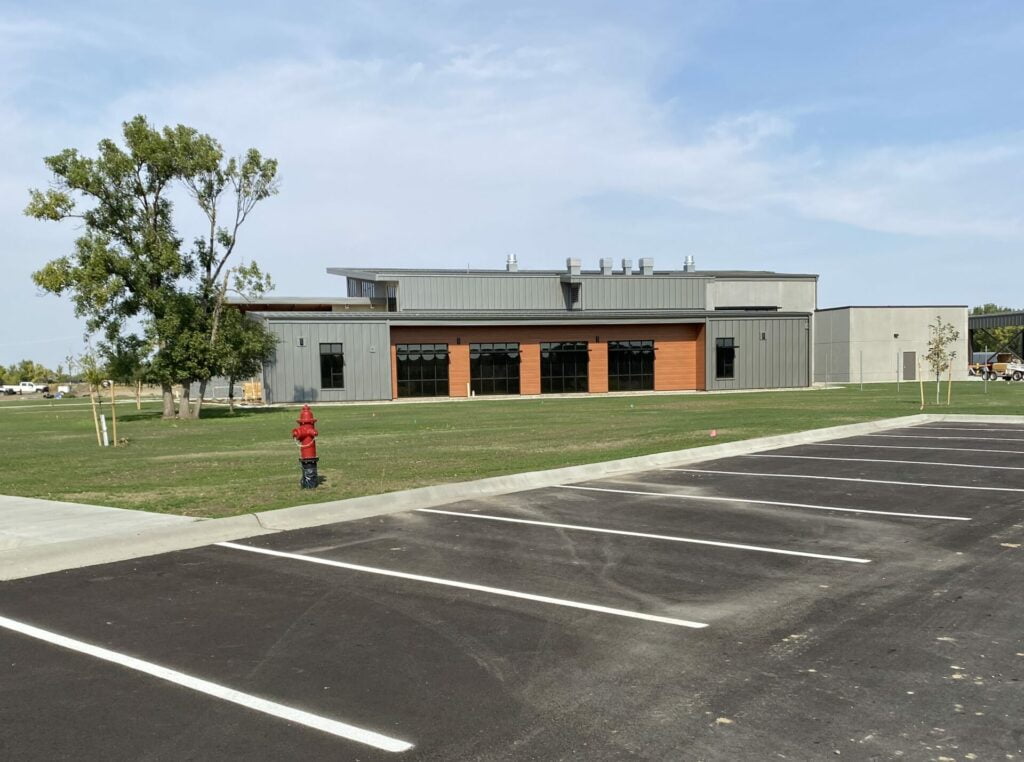
    Minarik Architecture

    Big Horn Valley Clinic

    Project Description

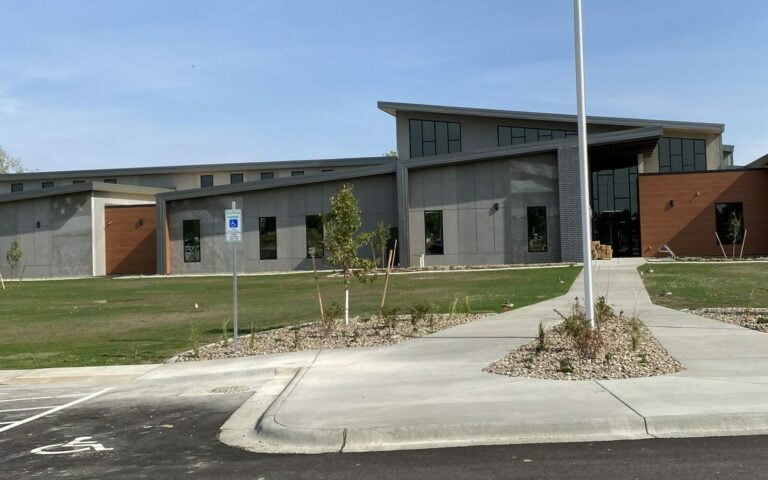
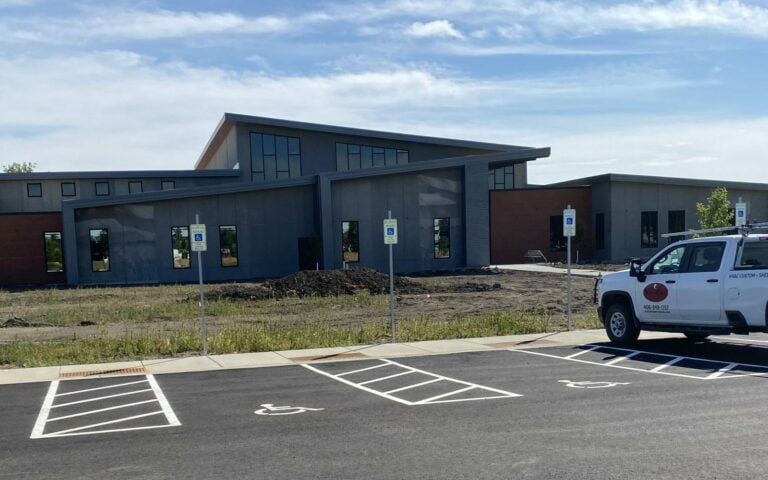
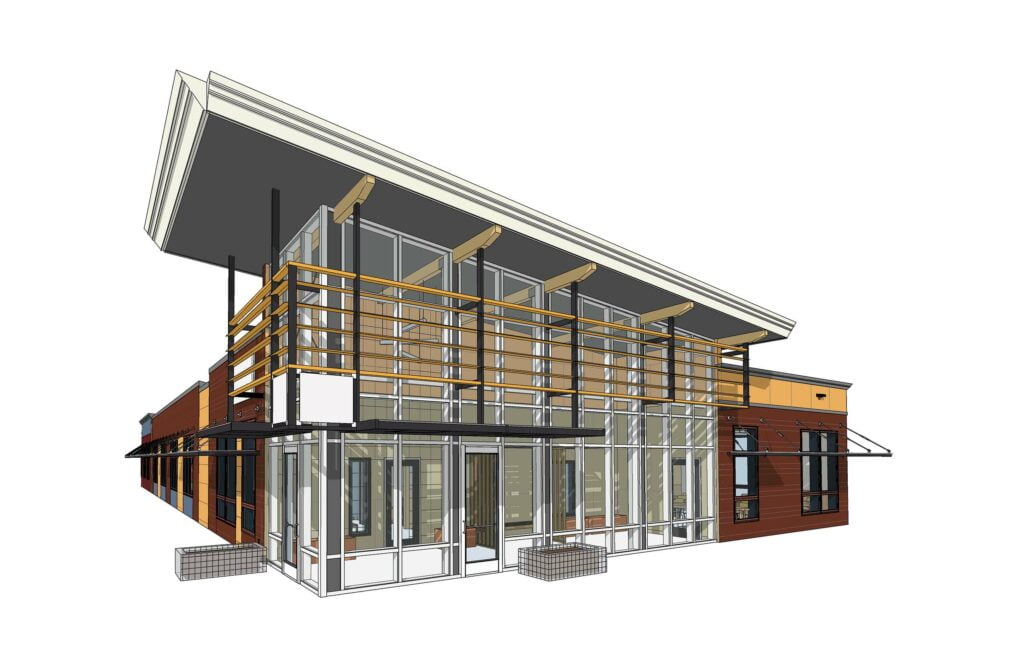
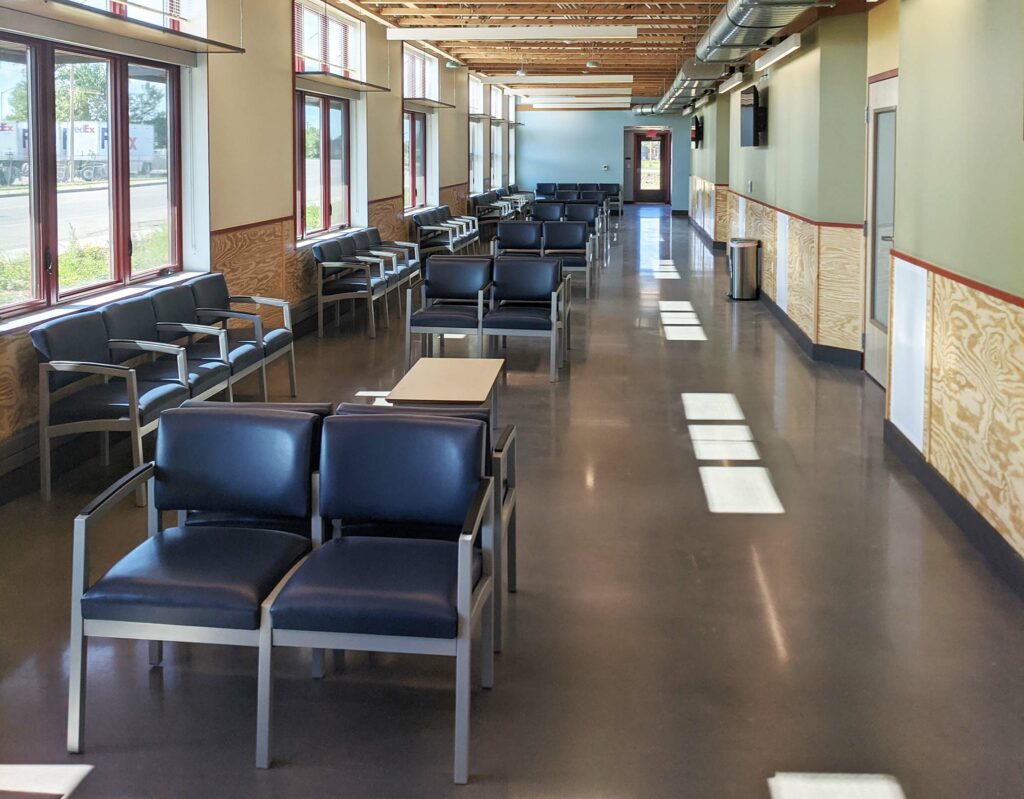
    RPA partnered with High Plains Architects to design a new 8,640 SF, single-story medical office building. The superstructure system consisted of exposed open web, parallel chord hybrid roof truss, comprised of wood and metal, supported on steel and wood framing. Rammed aggregate pier foundations were employed beneath the building to mitigate highly compressible subgrade soils. A network of cast-in-place concrete grade beams were utilized to transfer superstructure loads to the pier foundation. Careful planning and collaboration with the architect was undertaken to ensure interior demising walls, which were framed to the underside of roof sheathing, were detailed to allow deflection of the roof trusses and maintain rigorous sound isolation between exam rooms and offices.

    Project Details​

    Client

    Big Horn Valley Clinic

    Location

    Hardin, Montana

    Virginia City LiDAR

    Project Description

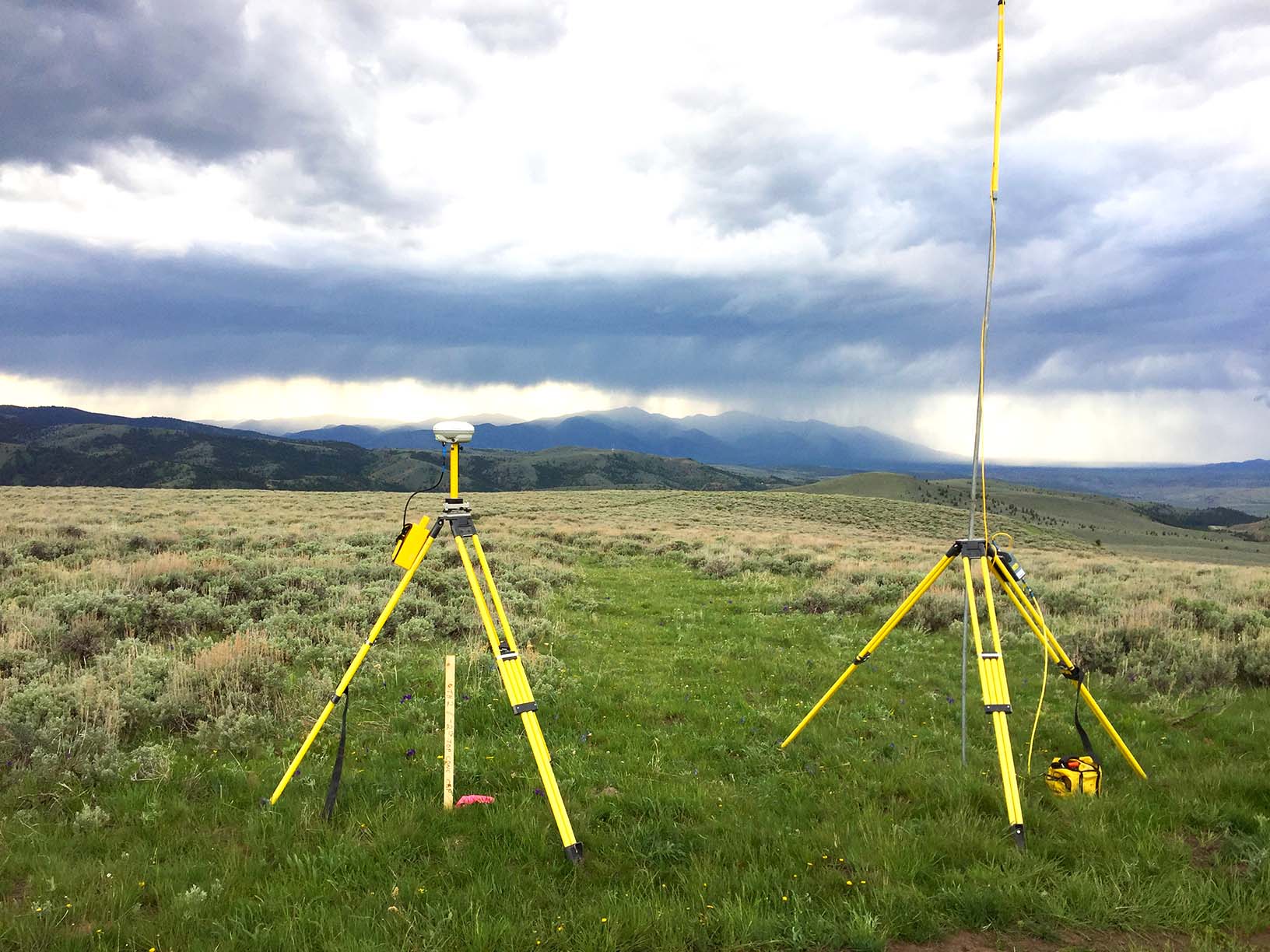
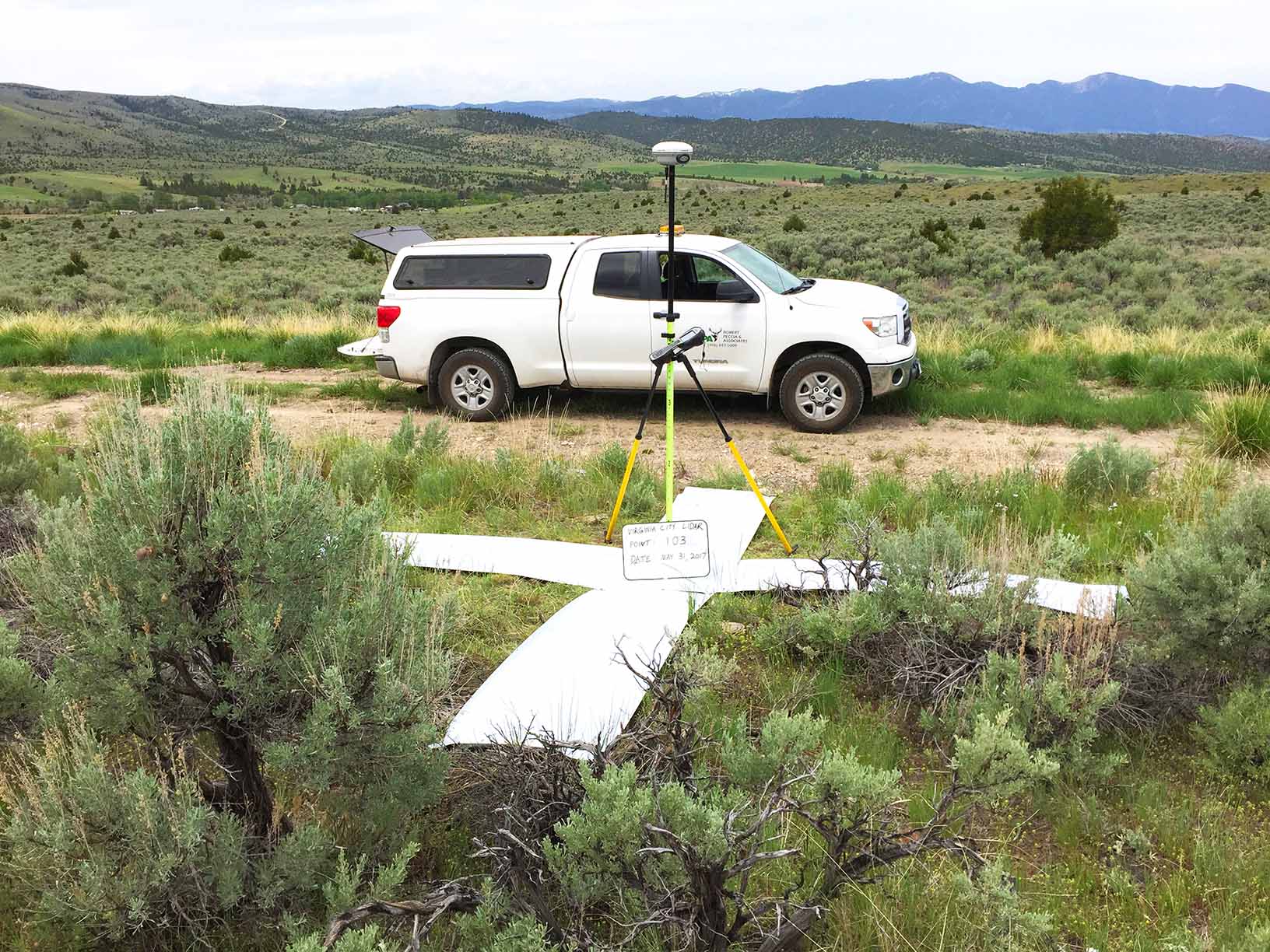
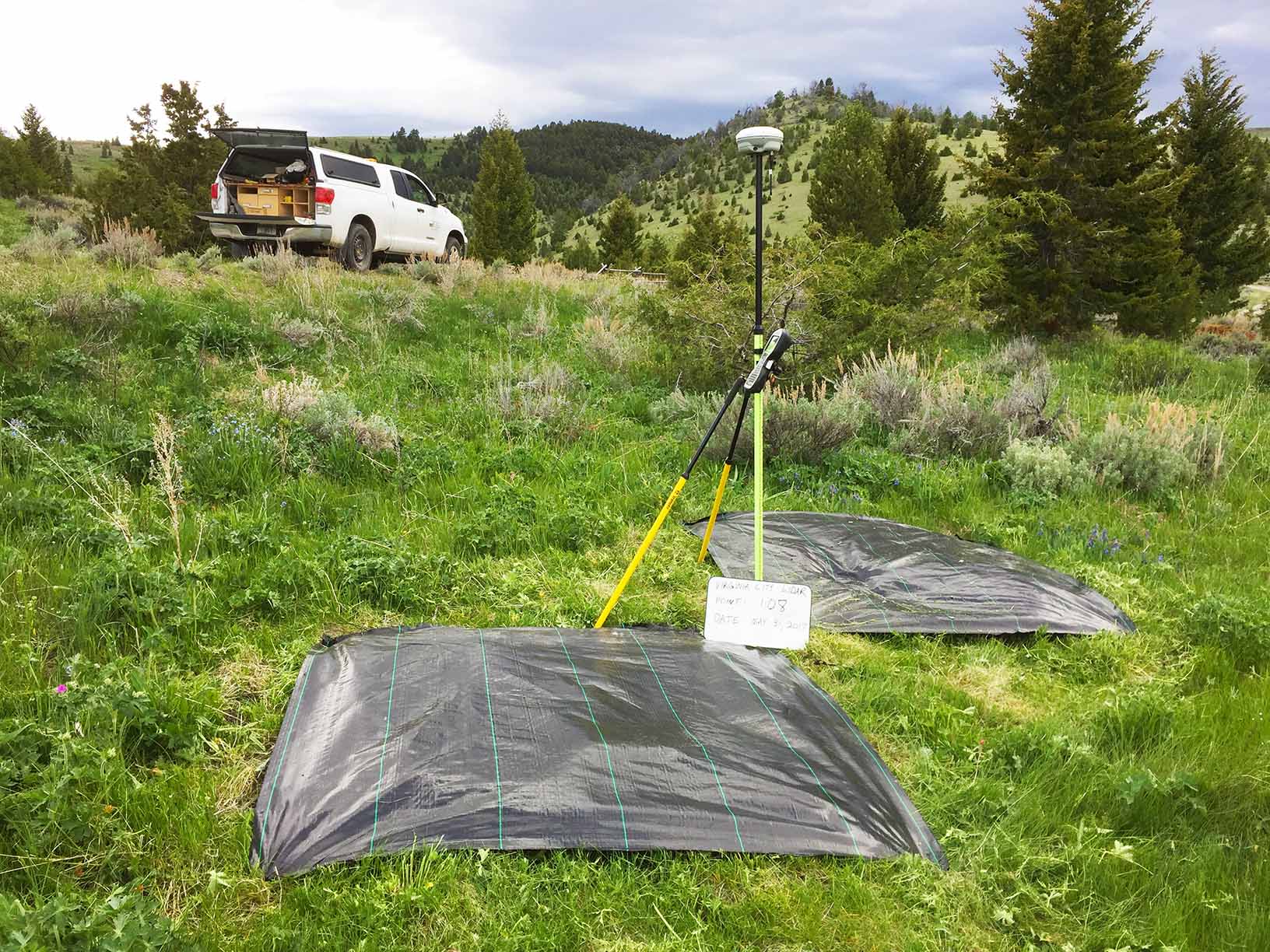
    RPA partnered with Aero-Graphics to complete a LiDAR project to provide mapping and aerial photography for a 32-mile square area in and around Virginia City, Montana. Aero-Graphics
    requested RPA to set 10+ targets, including 2 porous targets for their work. RPA was able to set and control the project in time for a late notice fight operation (weather delays) and was able to provide continuous GPS ground control for flight operations.

    Project Details​

    Client

    Aero-Graphics, Inc.

    Location

    Virginia City, Montana
    Montana Eye Care

    Project Description

    Working with Mosaic Architecture, the project included design and construction of a new 12,000 square foot clinic building. The new facility, located at the intersection of Montana Avenue and 11th Avenue in Helena, houses both an optometry clinic and retail showroom.
    Site design included challenges associated with keeping the existing clinic building in service, while the new facility was being constructed. In addition to a fully accessible site design, the new facility includes 10,000 gallons of underground stormwater detention/retention, located directly underneath the new 38-stall paved parking lot. The underground facility is constructed of aluminized corrugated steel piping, with perforations to allow stormwater runoff to infiltrate on-site.

    KEY PROJECT ELEMENTS

    • New 38-Stall Paved Parking Lot
    • Underground Stormwater Detention/Retention System
    • ADA Accessible Site Design
    • Site Landscaping and Privacy Fencing

    Project Details​

    Client

    Montana Eye Care

    Location

    Helena, Montana

    Architect

    Mosaic Architecture

    Volunteer Park

    Project Description

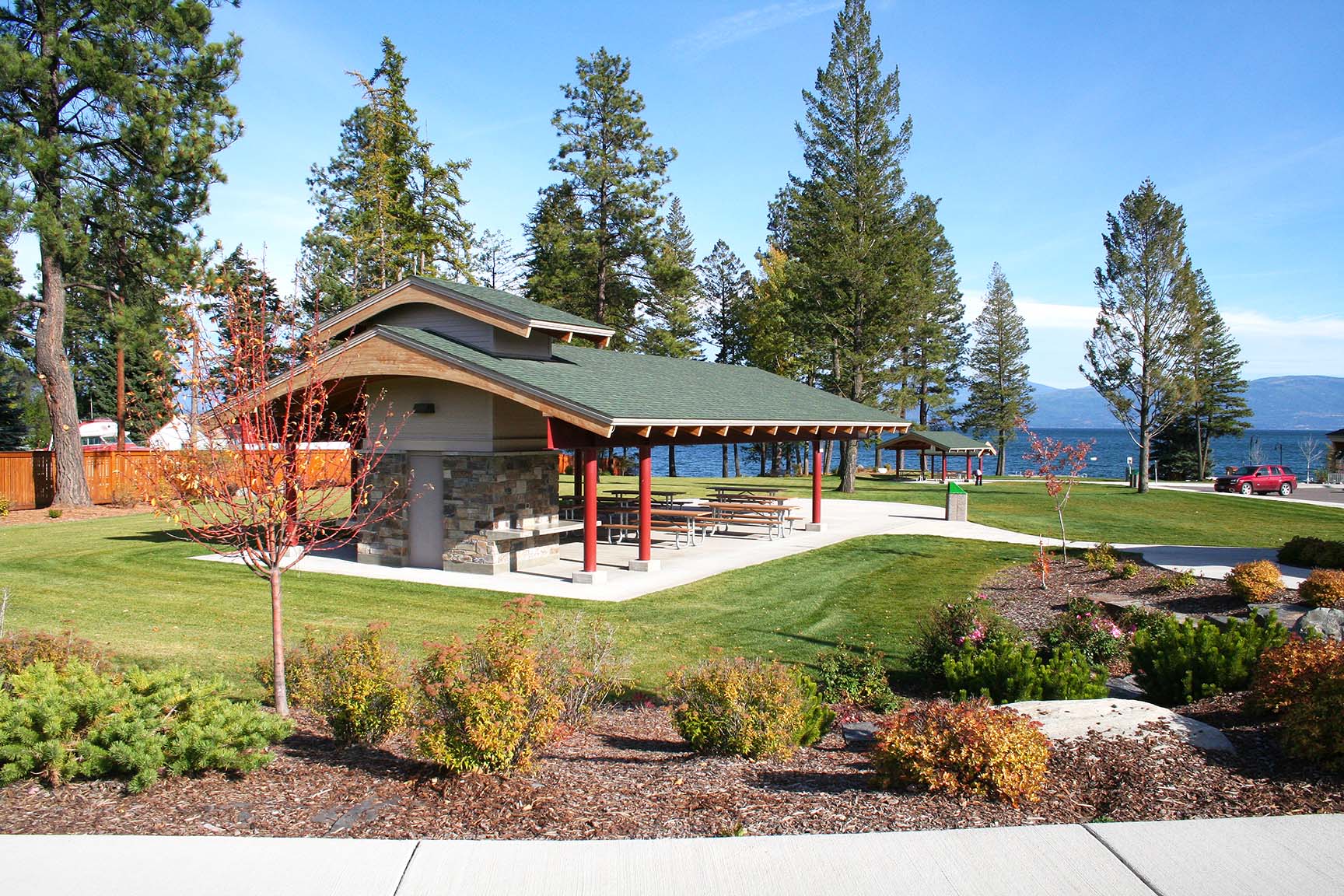
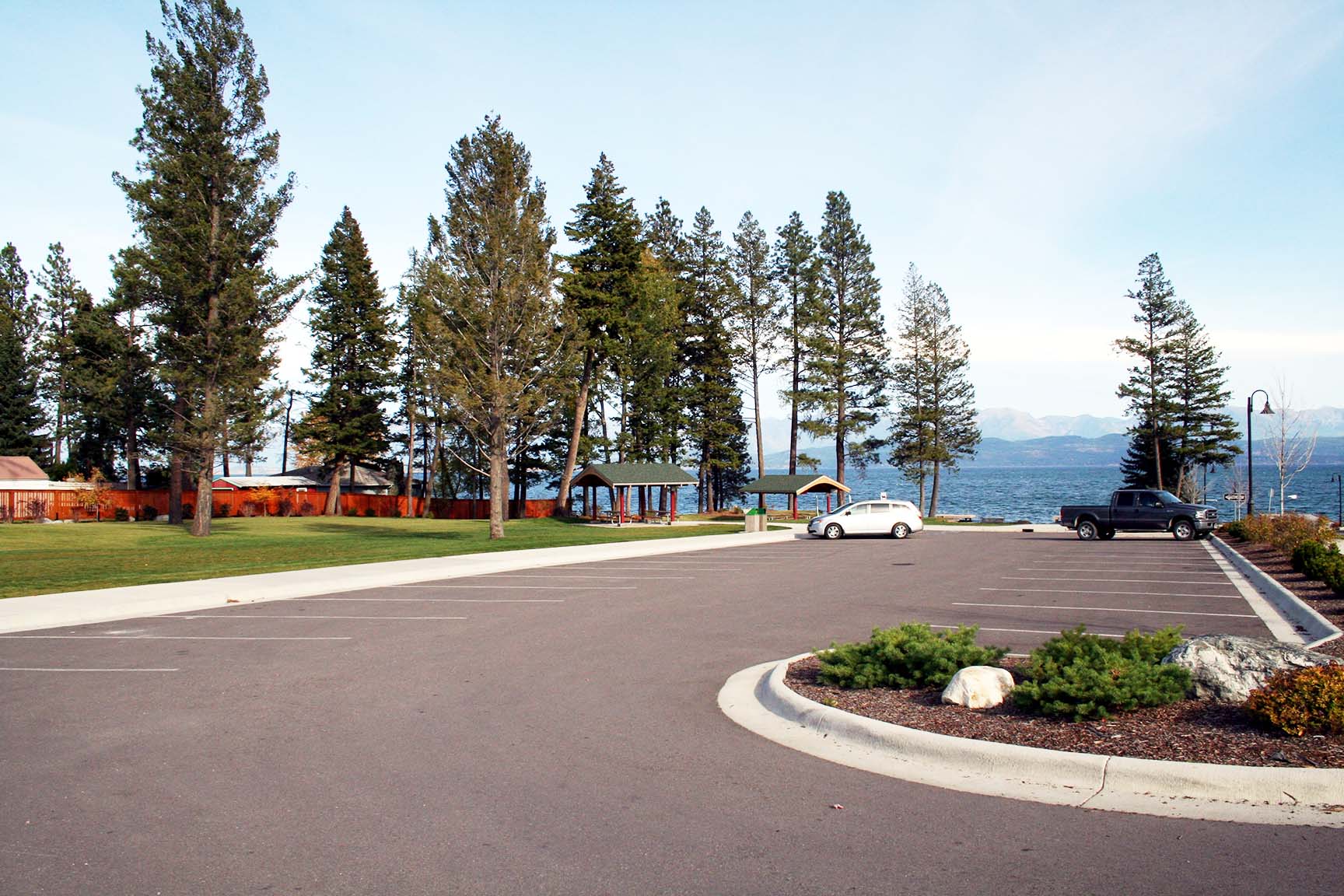
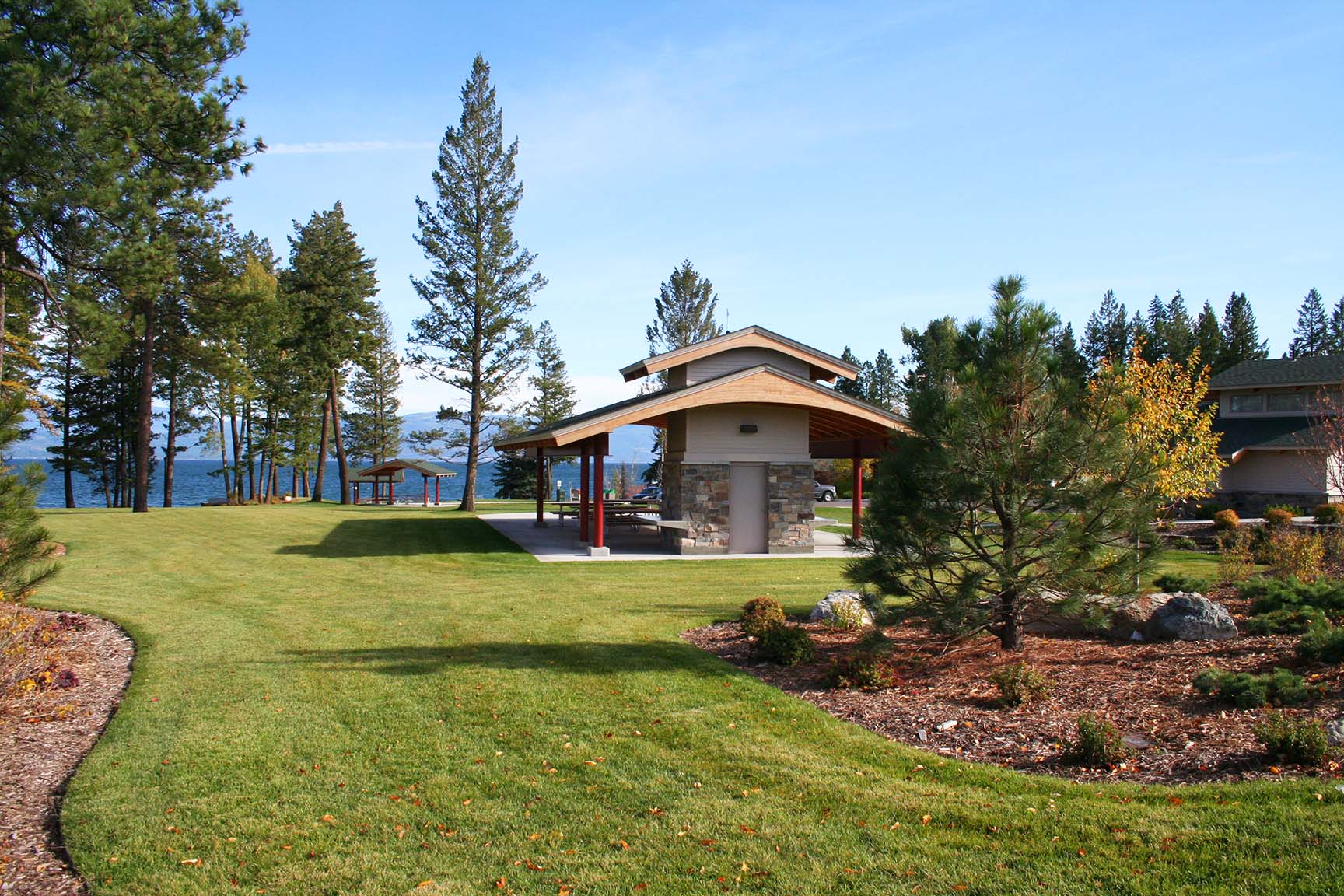
    This project consisted of developing a new public park in Lakeside, Montana. The existing project site contained a hotel, small business office, parking areas and a residence. The project consisted of demolishing the existing improvements and developing the site into a new community park, aptly called Volunteer Park.

    RPA provided civil engineering services to design improvements to Adams Street, a 37-stall
    asphalt parking lot, storm drainage, water and sewer improvements and ADA compliant
    bicycle/pedestrian paths through the park. RPA prepared civil technical specifications and
    construction drawings. During construction, RPA provided construction administration and
    observation for the project.

    Robert Peccia & Associates (RPA) also provided civil engineering for the expansion of Volunteer Park in Lakeside, Montana. RPA provided civil engineering for new sidewalk, curb and gutter, drainage and grading. RPA worked with the Montana Department of Transportation to work within their Right-of-Way. The project expanded the Volunteer Park and provided additional green space and pedestrian walkways throughout the park.

    KEY PROJECT ELEMENTS:

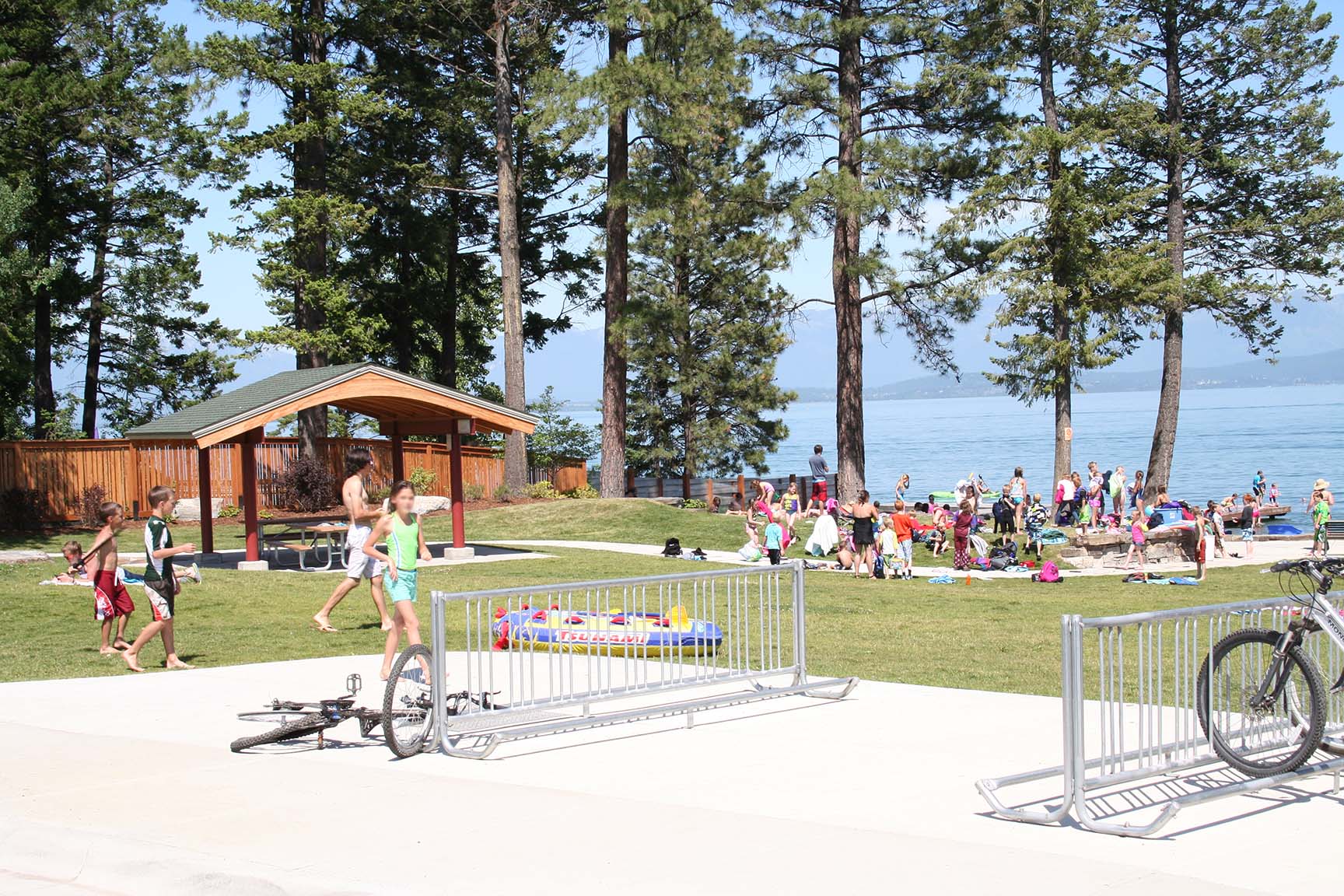
    • Community Park on Flathead Lake
    • Boat Docks
    • Swimming Area
    • Lakeshore Improvements
    • Asphalt Parking Lot
    • Storm Drainage Improvements
    • MDT Encroachment Permits
    • Construction Administration & Observation

    Project Details​

    Client

    Bruce Boody Landscape Architects

    Location

    Lakeside, Montana

    MT Hall

    Project Description

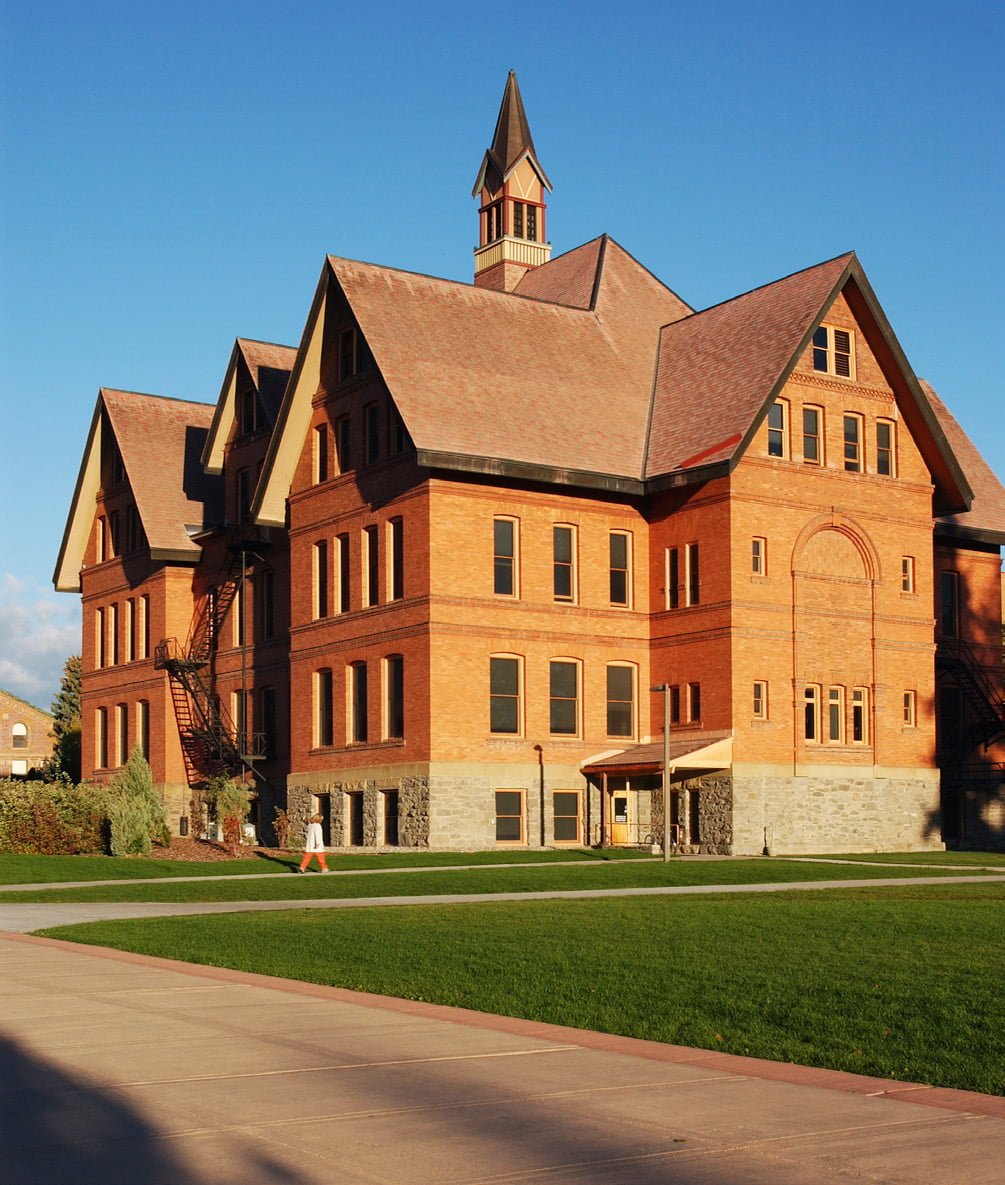
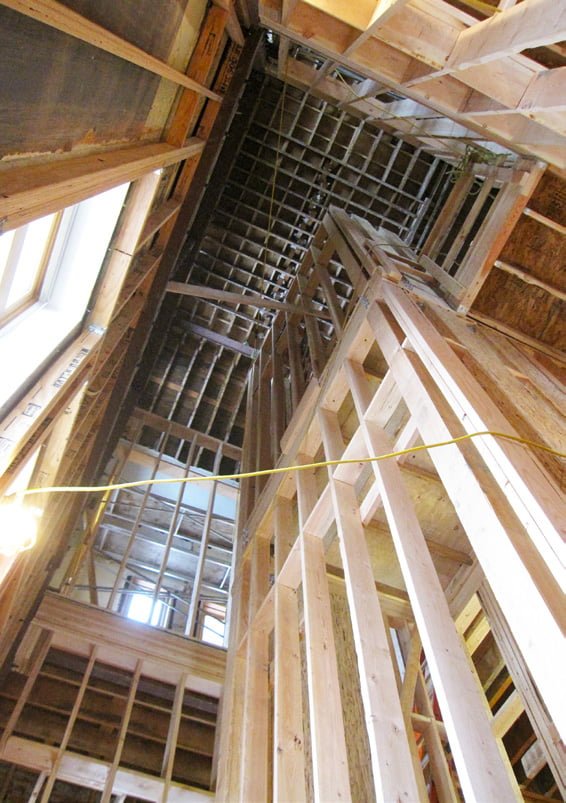
    RPA partnered with High Plains Architects to design a new 4-stop elevator, vertical circulation, and ADA compliant bathrooms in the existing east wing of Montana Hall. The project entailed removal of existing floors in the east wing to create space for the new elevator and stair shaft. Careful planning created a design facilitating installation of the nearly 60 feet tall shaft surrounded by stairs on three sides with minimal steel framing; small structural steel pieces were specified for ease of installation, with all bolted connections used to reduce fire risk during construction. New wall bracing in the east wing was incorporated to protect existing multi-wythe brick walls from damage or collapse during a seismic event. As part of the project, a new entry vestibule was incorporated at the east wing to protect the public entering the building from falling ice hazards from the main roof. Mass timber construction in the form of a cross-laminated timber slab was utilized for the vestibule roof to reduce weights on existing structure supporting the new roof, while being inherently resilient against impact loads. This is the first use of mass timber slabs as part of a structure at MSU.

    KEY PROJECT ELEMENTS

    • 25 y/o Historic Building Renovation/Remodel
    • Condition Assessment/Tier 2 Seismic Evaluation
    • Seismic Retrofit
    • New 4-stop Elevator and Stairs Addition to Interior
    • New Mass Timber Vestibule
    • Fire Hydrant and Service to Building
    • Special Inspection Services

    Project Details

    Client

    Montana State University

    Location

    Bozeman, Montana

    Architect

    High Plains Architects

    East Helena Water and Wastewater

    Project Description

    RPA has served the City of East Helena for nearly 40 years, completing numerous water and wastewater system improvement projects for the City. Professional services have included funding/financial studies, rate studies, sanitary sewer collection, wastewater facilities planning, scheduling, flow monitoring, design and construction administration, and advanced tertiary metals removal. RPA recently completed a solid waste operational analysis and rate study for the City to analyze the solid waste rates, existing revenue, existing expenditures, and to discuss potential solid waste rates for two separate alternatives. RPA has just finished the design for installation of new water distribution mains in two separate locations. In addition, RPA designed a new 1.0MG prestressed concrete water storage tank and appurtenances. Construction will include installing the New Prestressed Tank, new transmission main and bypass piping connecting to the existing transmission piping, new overflow and drain piping connecting to the existing drain piping, demolition of the existing water tanks, and other site and building improvements. 

    Project Details​

    Client

    City of East Helena

    Location

    East Helena, Montana

    Townsend Wastewater

    Project Description

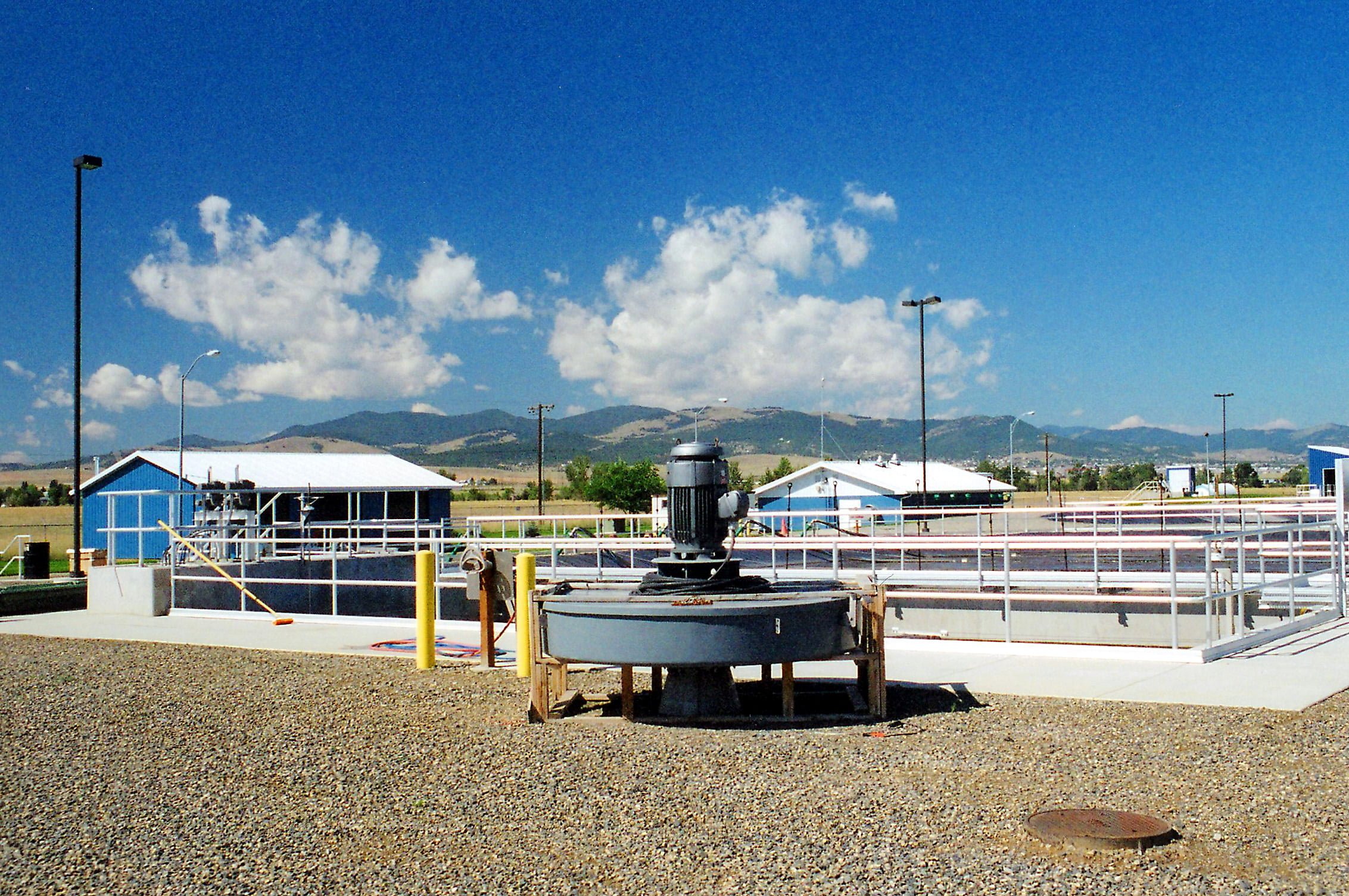
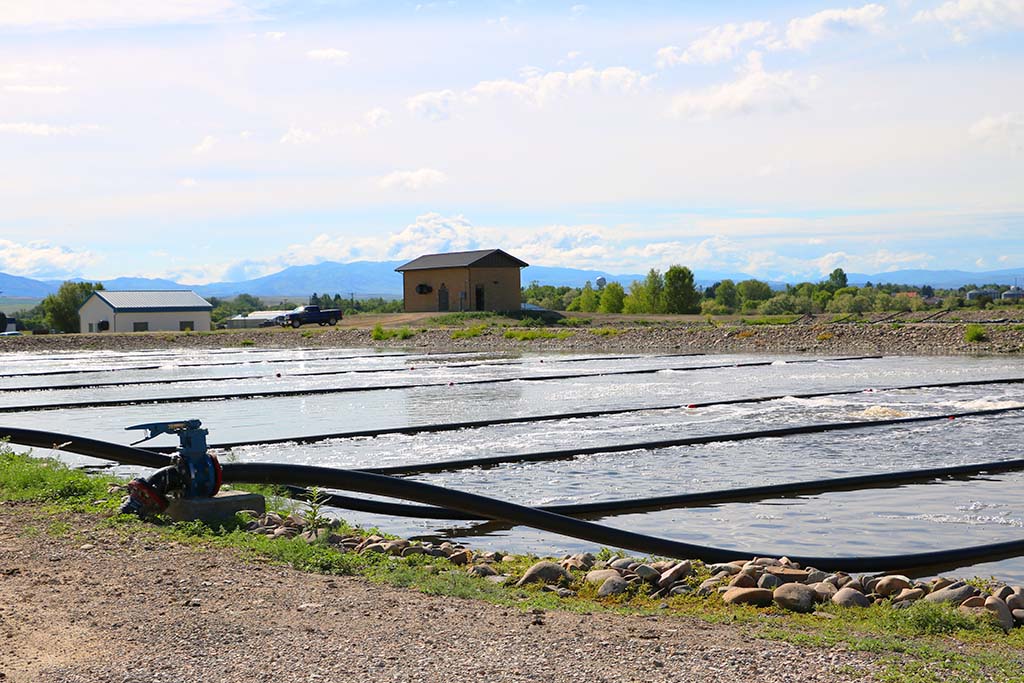
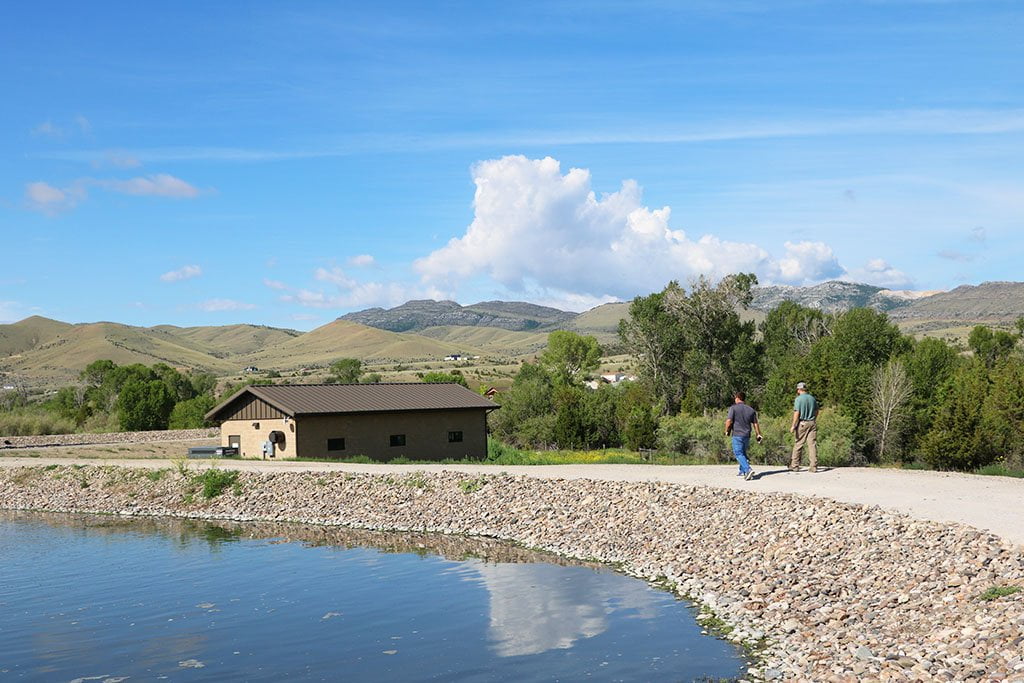
    RPA has acted as Townsend’s municipal engineer over the last decade on a wide variety of wastewater, water, and street improvement projects. Most recently, construction was completed in late winter 2019 on the Townsend Wastewater System Improvements Project. The Townsend Wastewater System Improvements Project consisted of CIPP lining, a new lift station, wet well, valve vault, manhole and 15” gravity and 8” force main sewer piping, dredging sludge from Cells #1 and #4 and land applying, installation of a new Headworks and UV buildings, 12” to 15” lagoon piping, new aeration system and piping, manholes, vaults, lagoon cover for Cell #4, and a new non-potable water supply well and water service. The City had no means of disinfection prior to the project and this project was needed in order for the City to meet their current Montana Pollutant Discharge Elimination System (MPDES) Discharge Permit limits.

    This was a $5.9 million project that included grant funding from the Montana Department of Commerce Treasure State Endowment Program (TSEP), the Montana Department of Natural Resources and Conservation Renewable Resources Grant and Loan Program (RRGL), and the Montana Department of Environmental Quality SRF Loan Program (Forgiveness). Grant funding made up approximately 20% of the total project cost. An SRF loan was used to finance the remainder of the project. RPA assisted with the grant applications as well as provided funding administration for this project. RPA also assisted the City in restructuring the City’s wastewater and water rates as part of this project. RPA is currently completing a Water System PER with the primary objective of increasing water storage volume.

    KEY PROJECT ELEMENTS

    • Sewer Collection System Rehabilitation
    • Preliminary Engineering Report
    • Assistance with Discharge Permit

    Project Details​

    Client

    City of Townsend

    Location

    Townsend, Montana

    water-cta-01

    Shelby Airport Hangar

    Project Description

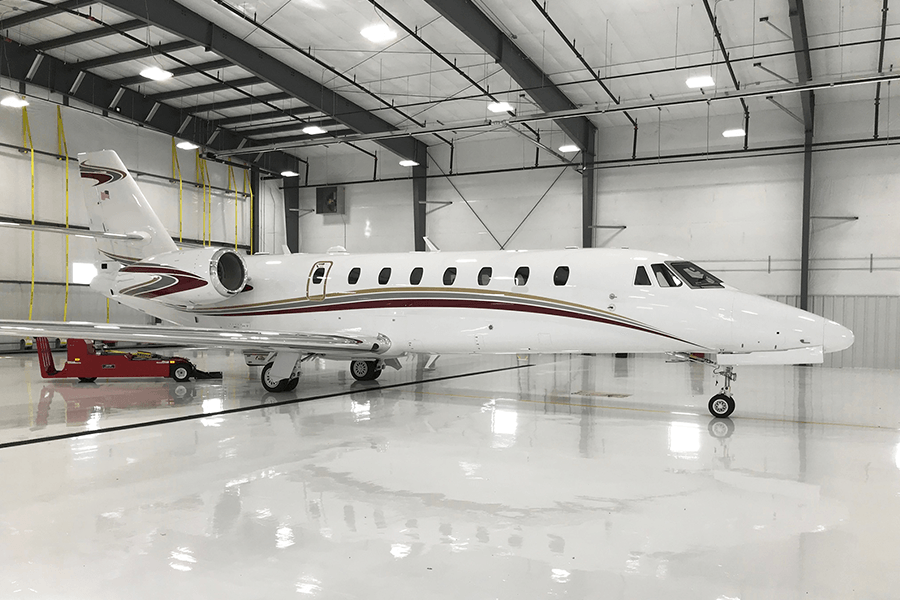
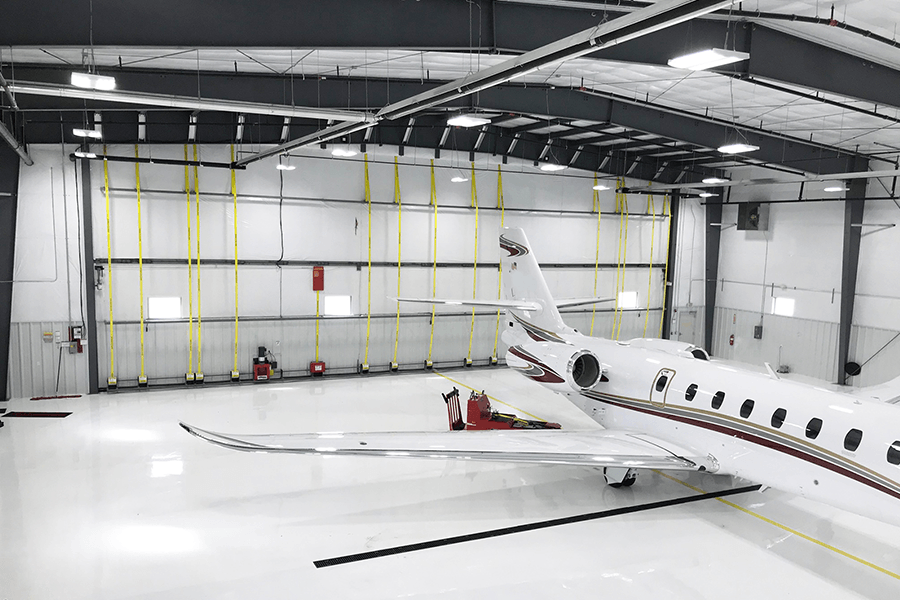
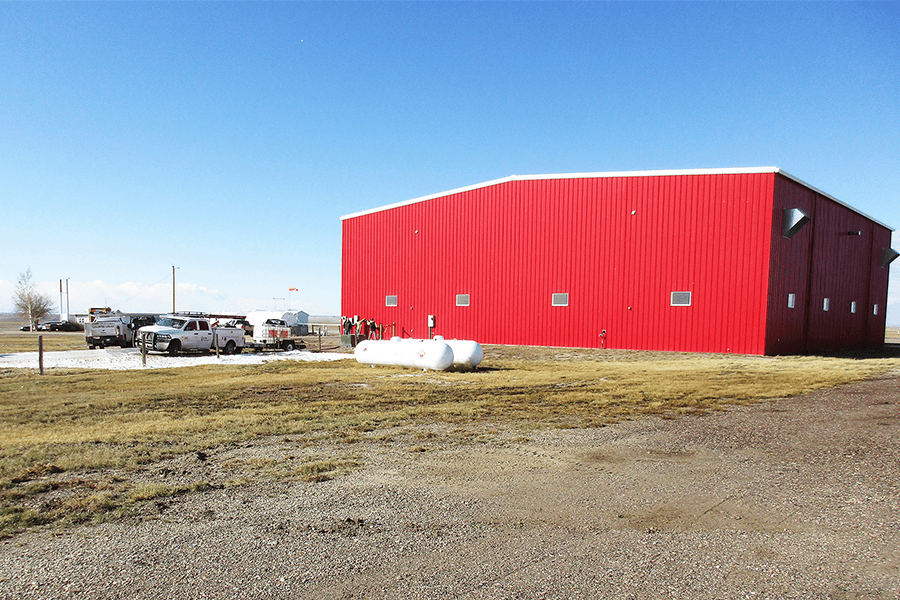
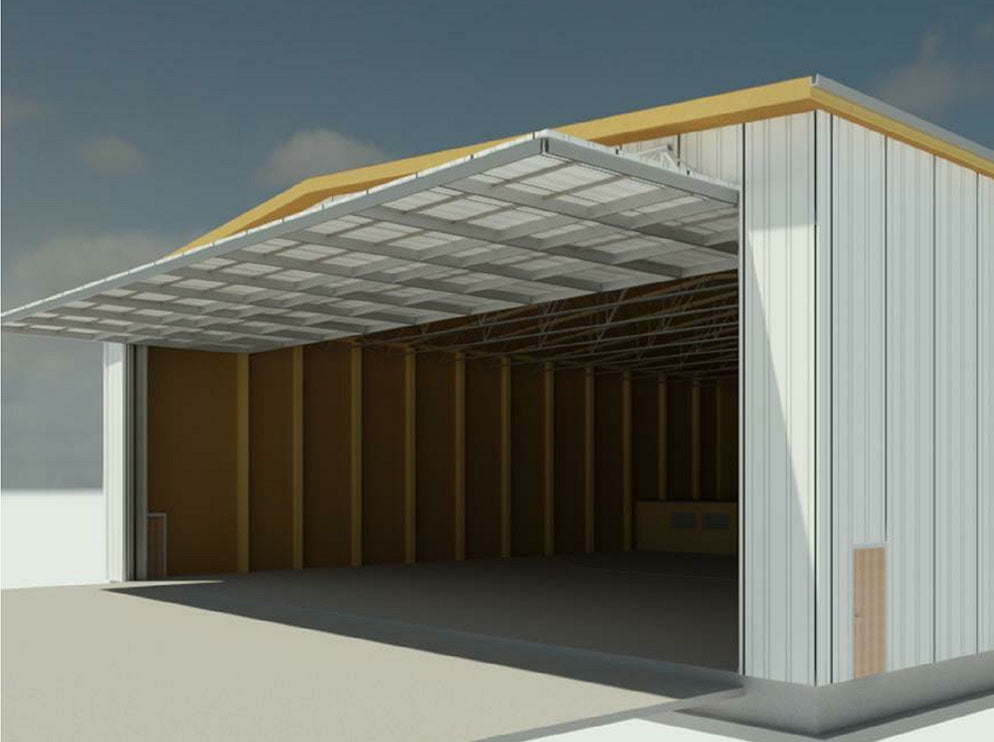
    The Shelby Airport Hangar is a 100’ x 80’ clear-span, insulated pre-engineered metal building constructed with tapered built-up steel frames, and clad in metal roof and wall panels. Aircraft access is provided through a large electric bi-fold door. This revenue-generating hangar is sited on prime apron frontage, and provides storage and shelter from the elements for either a single large “premium” aircraft, or multiple smaller aircraft.

    The building has a concrete foundation and footings engineered to resist the code-prescribed gravity and lateral loads imparted by the pre-engineered metal building, with a concrete floor and exterior concrete slab connecting to the apron. The building is fully insulated and heated with overhead radiant heating. Design of the hangar included building appropriate localized drainage slopes and ditch lines to direct surface water around and away from the hangar. Due to the total fuel capacity of all stored aircraft exceeding 1600 gallons, the Current Fire Code required installation of a fire suppression system (FSS). 

    Project Details​

    Client

    Shelby Airport

    Location

    Shelby, Montana

    Westside Interceptor

    Project Description

    The City of Kalispell, in partnership with the Montana Department of Environmental Quality – State Revolving Loan Program, developed an 8.25-mile long sewer interceptor along the west side of Kalispell. The design team examined potential alignments and design considerations for the new infrastructure. The new sewer interceptor generally followed existing city streets and rights-of-ways in the southern most segment, and then crossed BNSF railroad and US Highway 93 – Alternate (Bypass) to the west side of US Highway 93 Alternate. From here, the sewer interceptor followed existing rights-of-ways and crossed private properties to the northernmost termination near US Highway 93 North and Reserve Street. The sewer interceptor crossed both Ashley and Spring Creeks (floodplain development permits), US Highway 2 and Three Mile Drive (bore and jack casings) and included several Horizontal Directional Drills (forcemains). RPA provided professional civil engineering and land surveying services to the City of Kalispell and was the Prime Consultant for this important sewer interceptor project. Specific services provided included: Preferred Route Assessment, land and topographic surveying, right-of-way acquisition, design services, funding assistance, and construction administration.

    Project Details​

    Client

    City of Kalispell

    Location

    Kalispell, Montana
    Missoula CTSP

    Project Description

    RPA was chosen to develop the Missoula Area Community Transportation Safety Plan (CTSP) for the Missoula MPO. The CTSP serves as a guide for addressing Missoula’s regional transportation issues, overall travel, and most importantly, traffic safety for all modes of transportation. Current safety concerns were addressed through innovative and practical strategies which incorporate the Four E’s of Safety (engineering, enforcement, education, and emergency services). The CTSP was developed in coordination with the Transportation Safety Advisory Committee (TSAC) which is comprised of City, County, State, and non-government representatives with an acute interest in safety in the Missoula area. The effort also included extensive public and stakeholder outreach to understand transportation concerns and needs. The CTSP included a detailed analysis of past safety trends, considered effectiveness of previously employed safety strategies, incorporated meaningful input from citizens, stakeholders, and local officials, and provided a comprehensive implementation framework for achieving Missoula’s safety goals. The CTSP included an in-depth review of multiple years of crash data for the entire community to identify crash trends, clusters, and other safety concerns. Over 10,000 crashes were evaluated for this effort. The analysis resulted in a data-driven review of existing crash trends, high-risk behaviors, and crash clusters. Included in the CTSP are recommendations for short-, mid-, and long-term strategies for addressing transportation safety concerns in the Missoula area while considering sustainability, resource availability, and funding constraints.

    Project Details​

    Client

    Missoula MPO

    Location

    Missoula, Montana
    Silos Master Plan

    Project Description

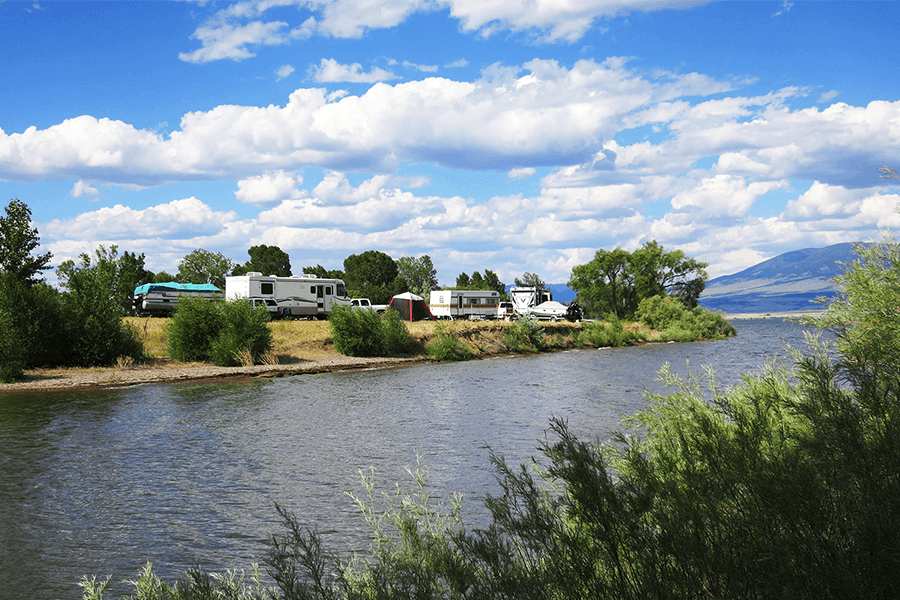
    Master plan to assess site and user needs, evaluate development alternatives, and identify a recommended alternative for improvements to site amenities and infrastructure at this recreation area located on the southwestern shore of Canyon Ferry Reservoir in Broadwater County, Montana. The planning effort involved review of related management agreements, evaluation of site facilities and usage characteristics including a feature inventory and an overview of visitation and economic impact, and analysis of the physical environment. After defining needs and objectives for the site, a range of alternatives was evaluated, including phasing, airport considerations, and various entry configurations. Through public, stakeholder, and steering committee input, a final conceptual site layout was developed to address primary access roadways, bay improvements, event and day use sites, overnight RV and tent camping accommodations, utilities, parking areas, trails, ADA accommodations, and amenities such as a visitor center and camper services. Schematic design drawings, cost estimates, potential funding opportunities, and management and policy considerations were also outlined in the plan to assist with future implementation. The planning process was guided by representatives from the Broadwater County Commission and Planning Department, the U.S. Bureau of Reclamation, the Broadwater County Trust Board and Airport Board, and the Citizens Action Group for the Silos Recreation Area.

    Project Details​

    Client

    Broadwater County

    Location

    Broadwater County, Montana
    Helena Shooting Range

    Project Description

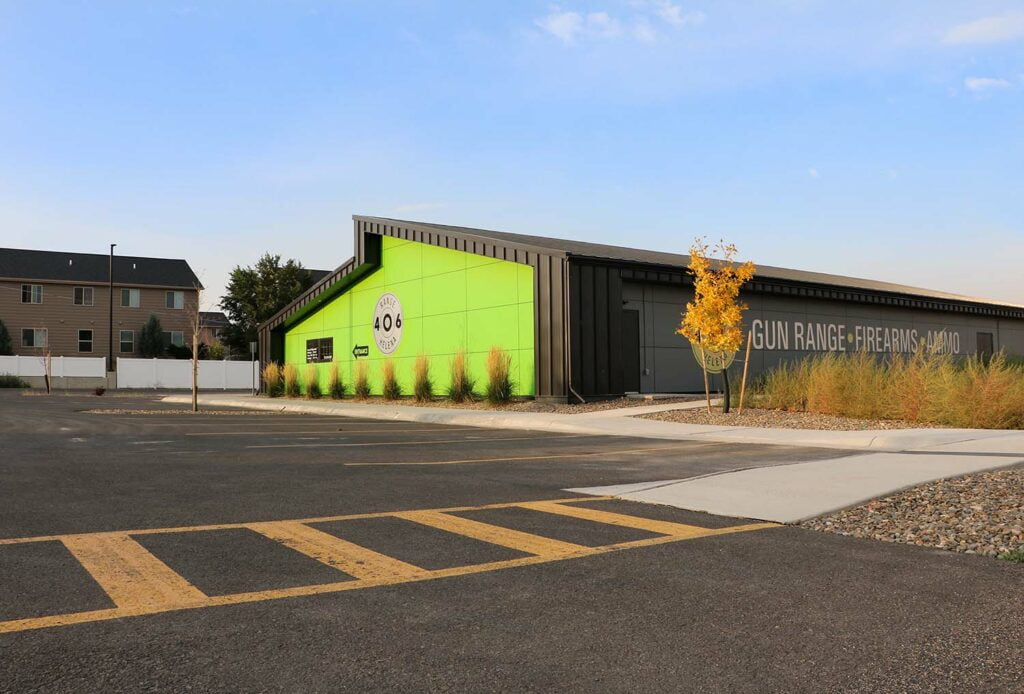
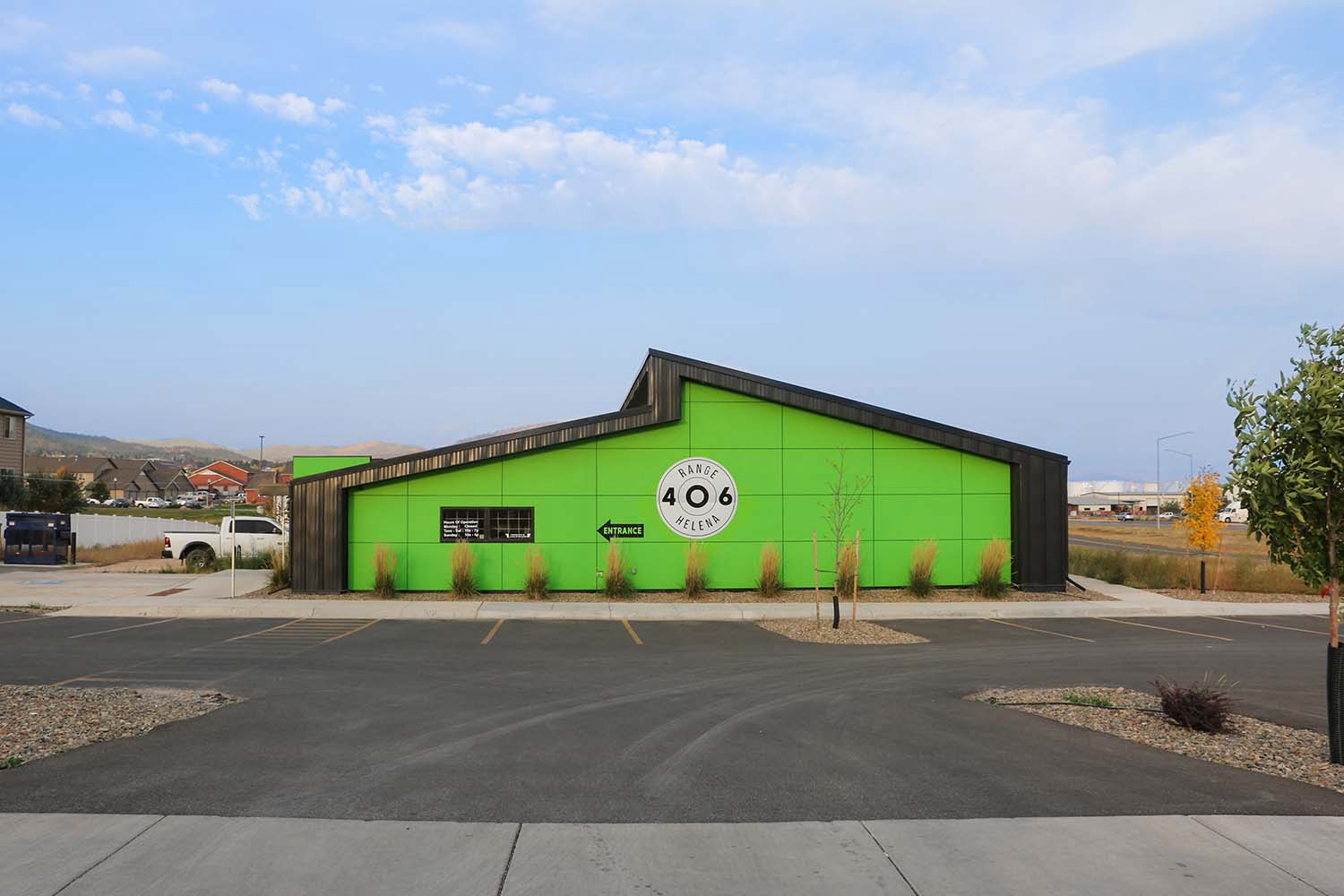
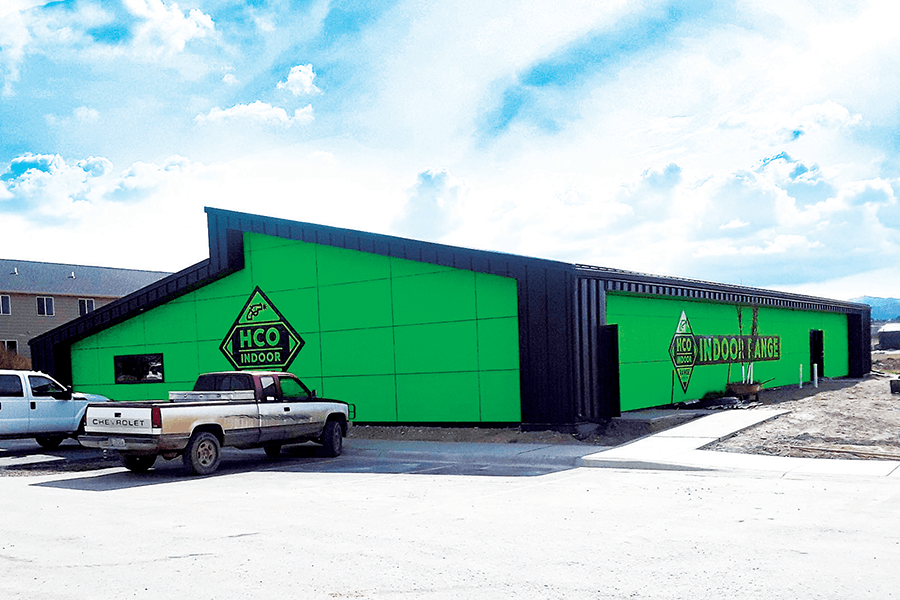
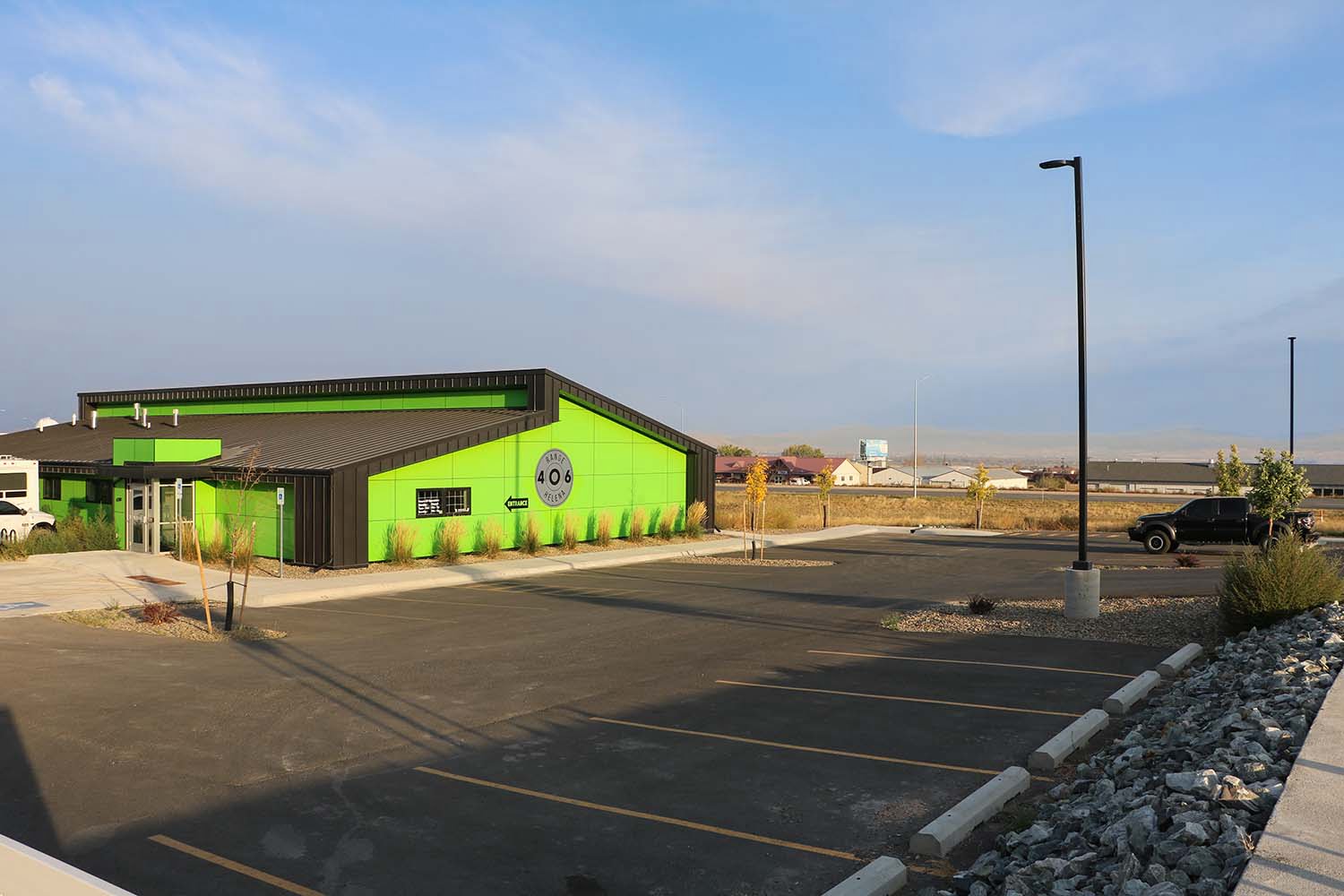
    RPA partnered with Slate Architecture to complete a site and building design for a new state-of-the-art indoor shooting range in Helena, Montana. The project consists of a single story, 105ft x 62ft indoor gun range facility constructed of load bearing cast-in-place concrete walls using insulated concrete forming (ICF) systems and premanufactured, metal plated wood trusses. The site civil work included a new parking lot, sidewalk and ADA compliance, site grading and drainage, onsite stormwater, and water and sewer services.

    KEY PROJECT ELEMENTS

    • 6,510 square feet

    Project Details​

    Client

    Range 406

    Location

    Helena, Montana
    Architect

    Slate Architecture

    Bryant School

    Project Description

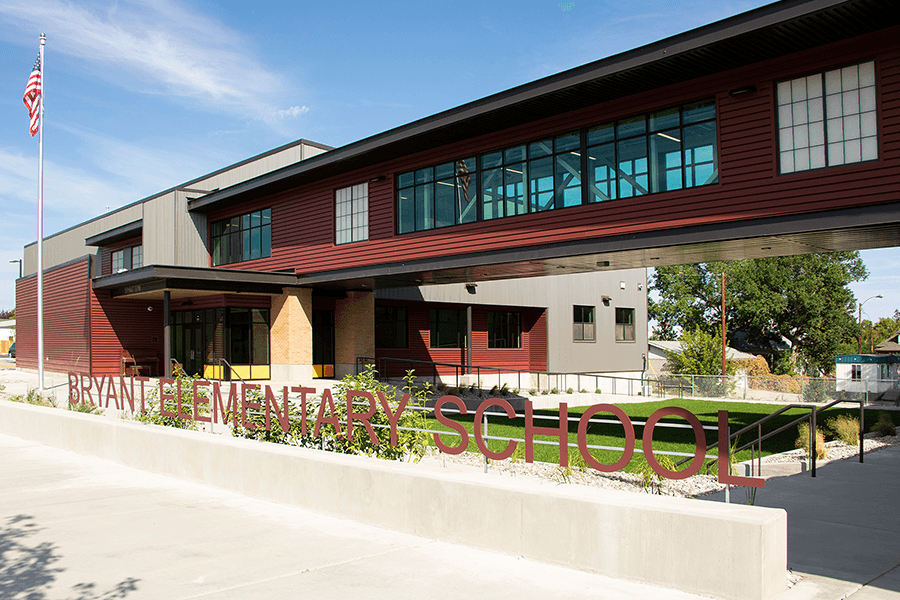
    As a subconsultant to Mosaic Architecture, RPA provided civil engineering services for the new Bryant School in Helena. Design and construction of the new 50,000 square foot school building and 12,000 square foot gymnasium building was coordinated and completed without removing the existing school building that is located on the same site. RPA’s services included site and legal survey, civil/site design and traffic engineering. Construction of the new school was completed in August 2019, in time for the 2019-2020 school year.

    KEY PROJECT ELEMENTS

    • On-Site Storm Water Retention and Treatment
    • Accessible Site Design
    • Paved Parking Areas
    • Site Utilities
    • Traffic Impact Study

    Project Details​

    Location

    Helena, Montana

    Architect

    Mosaic Architecture

    Ennis Big Sky Airport

    Project Description

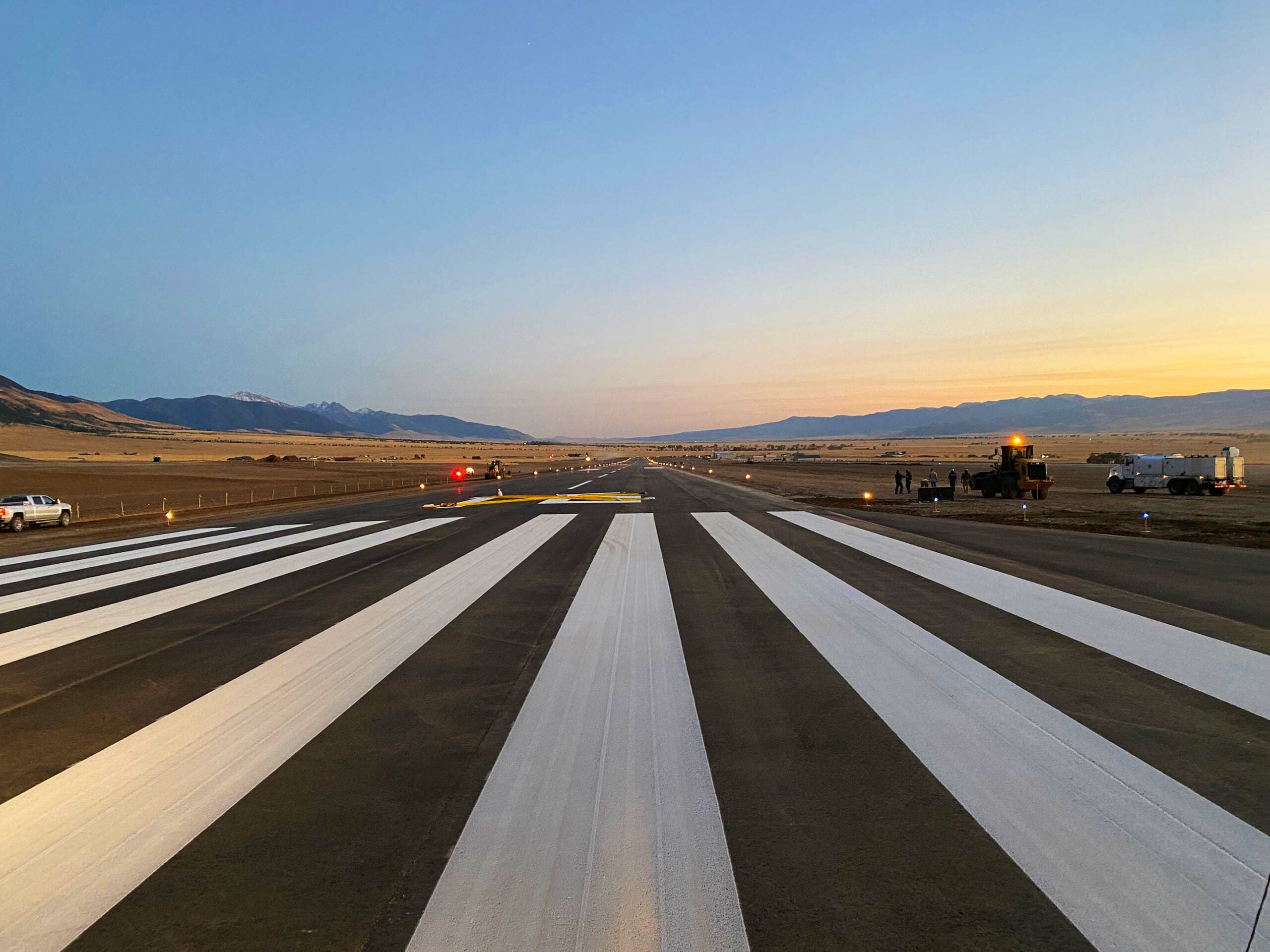
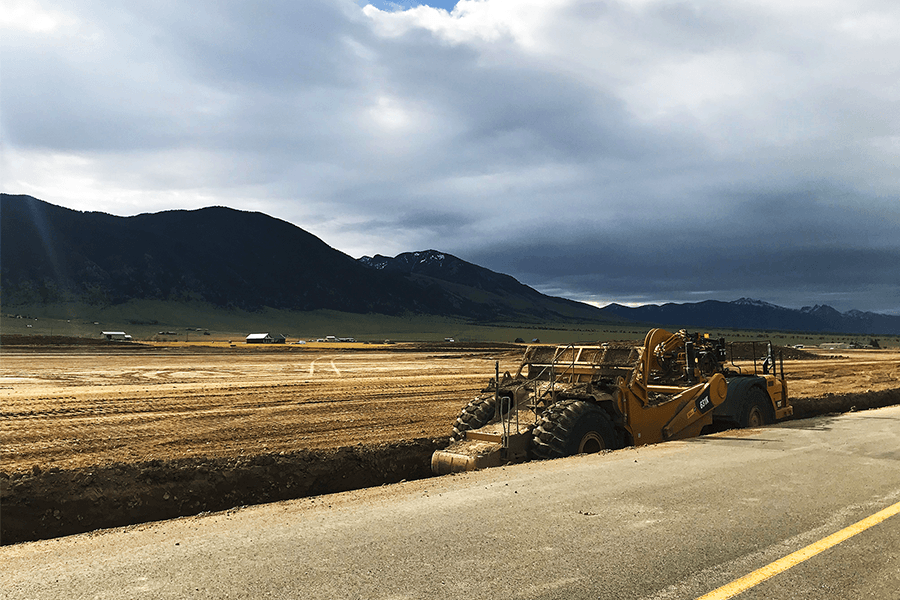
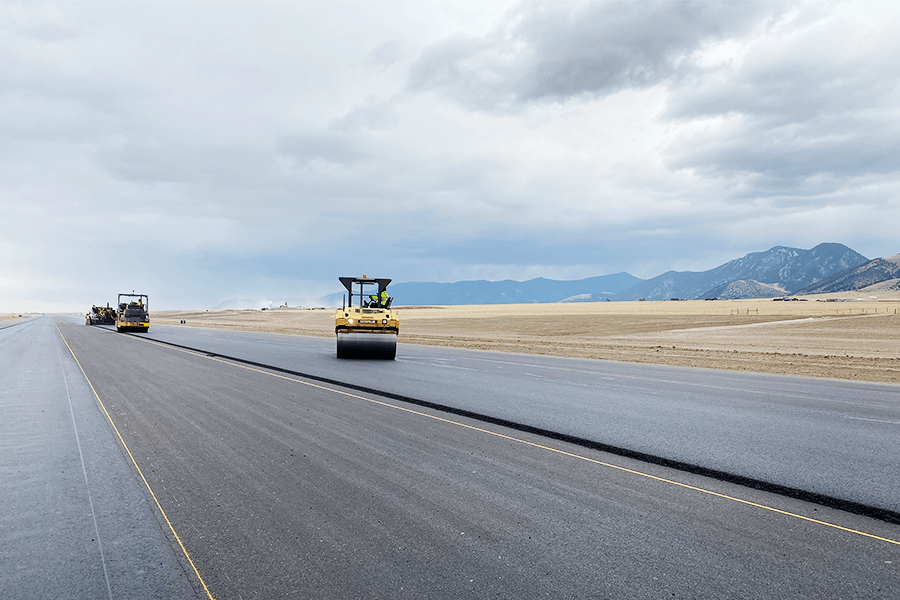
    Ennis Big Sky Airport is open and fully operational following completion of their $15.3M major airport improvement project(s) to expand their runway to meet FAA required safety upgrades for their substantial use aircraft grouping.  Improvements included land acquisition, full reconstruction of their existing runway, widening the runway to 100’ width, lengthening their runway to 7,600’ total length, constructing a 50’ wide full length parallel taxiway (shifted away from the runway), reconstruction of their south apron, construction of hangar access taxilanes, major electrical and navigational aid improvements, major drainage improvements, and wildlife fencing.  

    Robert Peccia and Associates was the engineer for all improvements, and SK Construction was the prime contractor for the construction project. 

    Key Information:

    • Land acquisition – 11 different parcels were acquired from 11 different landowners.  In addition 4 construction easements / permits were attained
    • Earthwork – Nearly 1.2M cubic yards – enough to bury a football field 675’ deep
    • Drainage / Culverts – over one mile of storm drainage culverts (5,528’) – largest culvert was 60” diameter so you could walk through it hunched over
    • GravelNearly 60,000 CY of subbase and base course gravels
    • Asphalt – Over 38,000 tons of asphalt (1,300 truckloads)
    • Paint – over 43,600 square feet of paint
    • Lights – 284 runway and taxiway lights and an additional 22 lighted guidance signs
    • Cable – over 61,000’ of electrical cable (11.6 miles)
    • Fence – over 26,400’ of fencing (5 miles) and 29 gates

    Project Details​

    Client

    Ennis Big Sky Airport

    Location

    Ennis, Montana
    Flying H Hangar

    Project Description

    The aircraft storage hangar was designed to provide superior thermal performance and
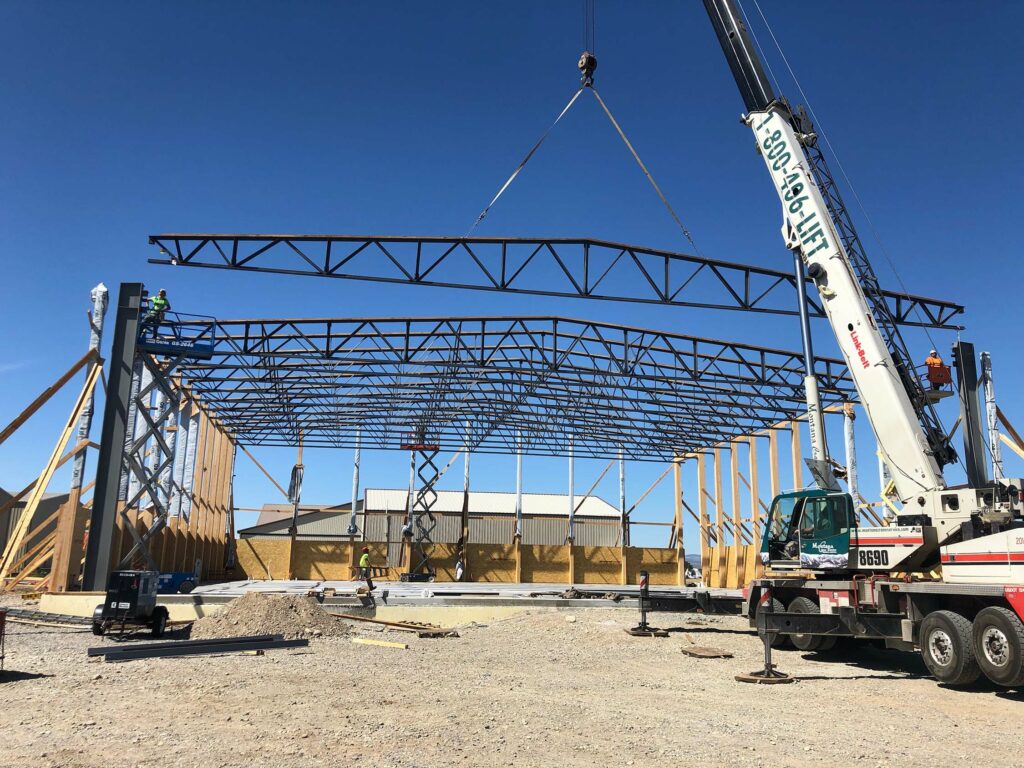
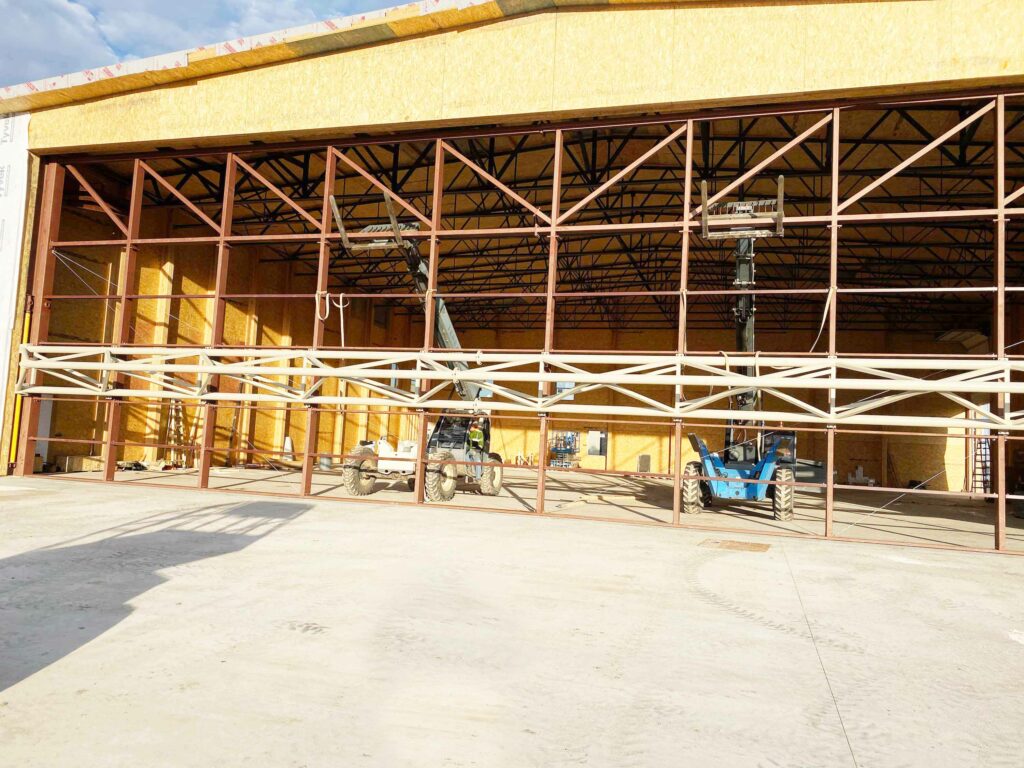
    sustainability compared to conventional manufactured metal framed hangars of similar size. The hangar is 100ft x 100ft, with 30ft tall side walls. Structural insulated panel (SIPs) construction was utilized for the walls and roof. The SIP roof panels are supported with steel open-web bar joists. Both the roof joists and SIP walls are supported by glued-laminated timber columns. The layout of SIP supports was intended to greatly reduce panel manufacturing waste and use the largest size panel pieces. Most panel sizes utilized were 8ft wide x 24ft long, corresponding to the SIP panel manufacturing dimensional limits. The SIP manufacturer exclaimed that they have never done such a large SIP building with such little waste.

    The lateral force resisting system is comprised of SIP shear walls on three sides, with a steel truss moment frame at the hangar door endwall. The endwall was designed to accommodate a 90ft wide x 27ft tall pivoting hydraulic hangar door.

    Project Details​

    Client

    Flying H Hangar

    Location

    Bozeman, Montana
    Central Elementary School

    Project Description

    As a subconsultant to SMA Architects, RPA provided civil, site and landscape design services for the new Central Elementary School in Helena, Montana. The site posed significant grading challenges, due to an elevation change of nearly 30 feet across the 3-acre site. The design team incorporated site walls and variable building finished floor elevations to ensure usable and accessible exterior spaces. Construction of the new school was completed in August 2019, in time for the 2019- 2020 school year.

    Project Details​

    Location

    Helena, Montana
    Architect

    SMA Architects